


Height Increasing Heel Lifts for Shoes
£11.99£14.99 (-20%)
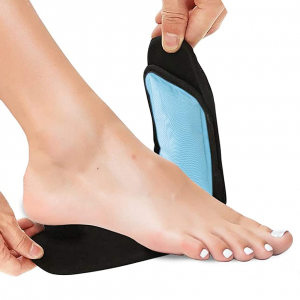
- 1 x pair of silicone gel heel lifts, designed to discreetly add extra height inside your shoes while helping to ease common heel and lower‑leg pain
- Developed so you can also use them, under guidance, to help with mild leg length differences and the strain this can cause around the hips, knees and lower back
- Medical‑grade silicone gel cushions the heel, helps absorb impact and spreads pressure so one small area under the heel is less likely to feel bruised or “jabbed” on hard floors
- Deep, contoured heel cup helps hold the heel more central in the shoe, supports the natural heel pad and limits excessive rolling in or out that can aggravate heel and ankle problems
- Stackable wedge layers let you adjust the height under your heel by up to about 1.5 inches inside the shoe, so you can start low and increase gradually to a level that feels comfortable and stable
- Often used alongside exercise and sensible activity changes to help manage issues such as under‑heel pain, soreness at the back of the heel linked with Achilles tendon‑related pain, tired heels from long standing, and discomfort related to mild leg length difference
- Slim design to suit most adult foot sizes and fit into many everyday shoes, trainers, boots and dress shoes, as long as there is enough depth and a firm heel area
- Textured, anti‑slip underside helps the lifts grip the insole so they stay in place as you walk, rather than sliding forwards or sideways inside the shoe
- Easy to clean with mild soap and water, so you can use them regularly and move them between pairs of shoes without them feeling stale or difficult to freshen up
- Includes a 30‑day money‑back guarantee, so you can see how your heels and legs respond without having to commit long‑term
Who our heel lifts are designed for
These silicone gel heel lifts are designed to help if you need more comfort and support around the heel, or if you have been advised to change heel height because of problems such as heel pain, calf or Achilles pain, or a mild leg length difference. Our heel lifts are commonly used by people who:
- feel pain under or around the heel when standing or walking,
- have tight calves or pain at the back of the heel,
- finish the day with tired, aching feet and lower legs after standing on hard floors,
- or have been told they have one leg that is effectively shorter than the other.
Some people with no significant pain also wear heel lifts mainly to feel a little taller in a discreet way, and usually appreciate the extra cushioning under the heel as well. These lifts are mainly there to change the way your weight comes down through the heel and lower leg. The height increase is an extra option for those who want it. They are shaped to fit into most everyday shoes for men and women.
What you might be feeling day to day
You might recognise yourself in one or more of these.
- A sharp or aching pain directly under the heel when you first stand up after resting, especially in the morning. Those first few steps around the room can feel as if you are stepping onto a stone. After a short walk the pain may ease, then return later in the day, particularly after time on hard floors.
- A pulling or jarring sensation at the back of the heel or in the lower calf, especially on hills, on stairs, or when you pick up your walking pace. The area may feel stiff in the morning and sore to press, as if the tendon at the back of the heel is being tugged too firmly whenever you bend the ankle.
- A sense that one leg is doing more of the work. You may feel slightly tilted when you stand still, or notice that one shoe or heel wears out more quickly. Standing for any length of time might feel easier when you shift your weight onto one side.
- A gradual build‑up of soreness across the base of the heel and into the lower legs when you spend long periods on firm surfaces such as concrete. By the end of the day or a shift, the heels can feel very sore and the feet feel heavy, especially in shoes with thin or hard soles.
There are also people who are not troubled by significant pain but would like a small, hidden increase in height and a softer feel under the heel, rather than a very flat, rigid insole.
What is going on in your heel and lower leg
Key parts under and around your heel
A few key parts around the heel work together every time you stand and walk.
- Under the arch is a strong band of tissue that runs from the heel towards the front of the foot. This band (plantar fascia) helps hold up the arch and control how the foot flattens and lifts with each step.
- Under the heel bone is a soft cushion of tissue. This heel pad spreads out and then springs back to soften impact when the heel hits the ground.
- The heel bone forms the back of the foot. Joints just above it allow the foot to roll slightly inwards and outwards so it can adapt to uneven ground and help you keep your balance.
- At the back of the heel, the tendon from the calf muscles attaches into the heel bone. When you walk or run, the calf tightens and this tendon pulls on the heel so it lifts from the ground and helps you move forwards, manage slopes and go up and down stairs.
These parts are working every time you stand up, stand still or take a step.
How everyday movements affect these areas
When you sit or lie down, the tissues around the heel and under the foot rest and shorten slightly. When you first stand up, your full weight comes down through the heel in one go. The heel pad is squeezed between the bone and the ground, and the band under the foot is pulled as the arch drops slightly under your weight.
On hard floors such as concrete, the surface under your shoes does not give way. Most of the shock has to be taken by your heel pad, the joints, and the structure of your shoes. On softer ground or in soles with good cushioning, some of that impact is taken up by the floor or sole itself giving a little.
With every step, the band under the foot tightens as the arch lowers and then relaxes as the arch lifts again. Repeating that quick stretch and squeeze many times, especially near where the band attaches into the heel, can make that region sore over time. Repeated squeezing of the heel pad on firm surfaces can leave it feeling bruised and less springy by the end of the day, as small blood vessels and nerves in the area have been under steady pressure.
When your walking intensifies—whether you’re going uphill, navigating stairs, or picking up the pace, the ankle bends more and the calf and its tendon have to work over a larger range. In those situations the tendon has to pull harder and over a bigger range. If it has already been overloaded, or is not yet used to this level of effort, those extra demands can feel sharp, dragging or tight, particularly where the tendon joins the heel bone.
If one leg works as though it is slightly shorter than the other, the pelvis often drops a little on that side. To keep your head level, your spine may bend or twist slightly. This can leave one leg carrying weight in a different way from the other. Over time that can change how the heel, ankle, knee and hip on each side feel when you stand and walk.
Why a heel lift can help in these situations
Changing ankle angles and tendon or fascia pull
Raising the heel slightly changes the starting position of the ankle. Rather than starting flat or slightly bent upwards, the ankle begins a little more pointed. This means the calf muscles and the tendon at the back of the heel start a bit shorter when you first stand and walk.
As you move through each step, the tendon does not have to lengthen as far to achieve the same movement. That can take some of the strain off the tendon, especially when you push off, walk uphill or go up and down stairs. For someone with soreness in the tendon or at its attachment into the heel bone, reducing that peak pull can make those activities feel more manageable.
Under the foot, a small heel raise also changes how quickly and how far the band under the arch is stretched when you put weight through the heel. Instead of going from fully rested to fully stretched very quickly, the change can be a little more gradual. That may ease the sudden tug felt at the heel attachment during those first steps after a rest. So if your pain is worst when you first stand and then eases a little as you move, this fits with how those tissues behave.
Cushioning impact and spreading pressure under the heel
A heel lift made from a soft material that gives a little under your weight adds an extra layer between your heel and the hard surface underneath the shoe. When you land on your heel, this layer compresses, so your heel slows down over a slightly longer moment and a bigger area of the heel helps to carry the load.
Instead of one small spot under the heel bone taking a quick, sharp jolt, the contact is softer and more spread out. The same force is shared between more of the heel, and over a slightly longer moment, so each part feels less of a hit. This is especially helpful on hard floors or in shoes with very thin or rigid soles, where there is not much other cushioning. By sharing impact between the heel pad and the lift, the tissues under the heel do not have to deal with all the shock alone.
By making everyday standing and walking in shoes less irritating for the heel and the band under the foot, some people find that the build‑up of strain over the day is reduced. Over time, that can mean first steps after a rest, even when you are barefoot, feel a little less aggressive because the tissues are not starting the day quite as irritated.
Small changes in leg length and pelvic balance
If you have a mild leg length difference, putting a lift under the heel of the shorter side raises that side closer to the level of the other leg. This can help the pelvis sit more evenly and reduce the amount of side‑bending and twisting the spine uses simply to keep you upright.
When the pelvis is more level, the hips and knees on each side tend to work from more similar positions, and the legs can share the effort of standing and walking more evenly. You may feel less as if one leg is always “reaching down” to the ground or doing more of the work.
The amount of lift makes a difference. Too small and you may not notice much change; too big and your body may feel as though it is being pushed into a new pattern too quickly. Being able to increase height in small steps, and taking advice from a clinician where leg length differences are concerned, helps strike a sensible balance.
How our silicone gel heel lift design works
Our heel lifts have been shaped around things clinicians often look for in a heel raise: a controllable change in height, firm but forgiving cushioning under the heel, and a stable cup to hold the heel in place inside the shoe. They have been developed with input from physiotherapists and podiatrists who regularly see these kinds of heel, calf and leg length problems.
Gel cushioning and heel pad support
These heel lifts are made from medical‑grade silicone gel that is soft enough to compress under your weight but firm enough to support you. As you stand and walk, the gel gives slightly and then springs back. It shapes itself around the curves of your heel, filling in gaps and evening out pressure across the back of the foot.
Because the gel matches the shape of your heel, one small area is less likely to be pressed or poked repeatedly. Instead, more of the heel surface shares the load. This can be particularly helpful if you have a tender spot under the heel or feel as though you are walking “on bone”.
The gel under the heel is also thicker than in many typical insoles. This extra depth acts as a dedicated heel pad between your heel bone and the insole of your shoe. When your heel lands, this layer compresses first. That slows and softens the impact before it reaches the joints and tissues further up. By spreading each impact over a slightly wider area and a slightly longer moment, the pad can reduce the sense of a single sore spot being hammered again and again.
We use medical‑grade silicone because it holds its shape over time and is kind to the skin at the back of the heel, even with daily use. The smooth gel surface is easy to clean with mild soap and water, which makes it straightforward to keep the lifts fresh if you use them regularly.
Deep heel cup for stability and heel pad control
The deep heel cup means the sides of the lift come up around your heel rather than just lying flat underneath it. This helps hold the heel bone in a more central position in the shoe and cuts down on excessive rolling inwards or outwards. If you have ever felt your heel roll too far in or out in certain shoes, this more contained position can feel safer and more secure.
The sides of the cup also help guide the heel pad to stay underneath the heel bone. Without side support, some of the soft tissue can be pushed outwards when you stand, leaving less cushion directly under the bone. Keeping the pad beneath the heel bone helps it do its job of softening each step.
This type of deep heel cup is often what physiotherapists and podiatrists choose when they want to limit how far the heel rolls in or out inside the shoe. The cup depth in our design is chosen to hold the heel firmly without crowding the back of most everyday shoes.
Stackable wedge layers for adjustable height
These heel lifts are built from layers that can be stacked to change the height under your heel. Inside the shoe, you can raise the heel by up to about an inch and a half, but you do not have to use all the layers. Most people find it easier to start at a lower height and only add layers if that feels comfortable and helpful.
Each extra layer lifts the heel a little further. This further shortens the starting position of the calf and tendon and can reduce pulling at the back of the heel and under the foot a bit more. At the same time, more height under the heel begins to shift some load towards the ball of the foot and changes the angles at the knees, hips and lower back.
The available height range has been chosen to give enough room to adjust for comfort and small leg length differences, without lifting the heel so high that most everyday shoes feel unstable. The stackable design is there so you can increase heel height the same way clinicians usually do – in small steps, not all in one go. It lets you and any clinician you are working with find a height where the heel and tendon feel more comfortable but the rest of the foot and leg still feel stable. It also allows you to choose how much extra height you want inside the shoe if feeling taller is one of your aims. Even if you are mainly using the lifts to increase your height, it is important to build up gradually so that your joints and soft tissues have time to adjust to the change.
Tapered front edge for a smoother step
The front of the lift thins down to a gentle edge where it meets your shoe’s own insole. This helps avoid a sharp step or ridge under the middle of your foot. With a blunt edge, you might feel as though the front of your foot is dropping off a small ledge every time you roll forwards.
By tapering the front, the transition from the raised heel to the rest of the insole is smoother. Your foot can move from heel to toes more naturally, with less risk of a new pressure point forming at the point where the lift ends. This is especially important when you are on your feet for long periods or walking longer distances.
Anti‑slip, textured underside
The underside of the lifts has a light texture and the silicone itself grips the insole of the shoe. This helps keep the lifts in place so they do not slide forwards or sideways as you move. If an insert creeps forwards, your heel can end up sitting partly out of the cup. That changes the support and height under the heel and can cause rubbing or a feeling that the foot is not held securely.
A more stable insert means your heel lands in the same supported position step after step. The height and cushioning stay where they are meant to be, which is important both for comfort and for steadiness. The texture has been tuned so it grips common in‑shoe materials well, without sticking or being difficult to reposition when you move the lifts between shoes.
Comfort, breathability and durability
Small holes in the gel allow some air movement around the heel and give moisture somewhere to go. In closed shoes worn for long stretches, heat and sweat can build up under and around the heel. If the skin stays damp and warm, it can soften and become more prone to rubbing and irritation. The ventilation holes help manage warmth and moisture so the heel area is less likely to feel clammy.
The gel is designed to hold its shape and thickness over time rather than flattening out quickly. A lift that keeps its shape gives more consistent support. If an insert collapses unevenly, pressure can end up on new parts of the heel or the ball of the foot instead, which may cause new sore spots. A durable design is more likely to keep working in the way it was intended.
Discreet in‑shoe height increase
Because the lifts sit inside your shoes under the heel, they raise your standing height without changing how the outside of your shoes look. By stacking the layers, you can gain up to about an inch and a half in height inside the shoe in a way that is not obvious to others.
For some people, standing a little taller helps them feel more at ease or confident, especially when meeting new people, giving a talk, or leading a group at work. Our heel lifts allow that height change while still offering the cushioning and support benefits already described. Even when height is the main reason you are using them, it is still important to treat changes in heel height as real changes in how your body is loaded, and to increase gradually.
Who our heel lifts may help – and when to be cautious
People who may find these helpful
Our heel lifts are intended for adults who:
- have pain or tenderness under or around the heel when standing or walking, especially on hard surfaces,
- feel tightness or soreness at the back of the heel or lower calf that seems easier in slightly heeled shoes,
- spend long periods on firm floors and notice tired, aching feet and lower legs by the end of the day,
- have been told they have a small leg length difference and are looking at ways to adjust load under professional guidance,
- or would like a modest, hidden increase in height along with extra cushioning under the heel.
In these situations, the goal is simple: take the edge off sharp impact, ease the pull on sensitive tissues, and make standing and walking feel more manageable.
When to seek advice before using heel lifts
There are times when it is best to check with a clinician before changing heel height.
If you have complicated pain in the knees, hips or lower back which clearly flares or eases when you change heel height, it is worth speaking to a clinician before making a big change with a lift. People with long‑standing balance problems or frequent falls also need to be careful, as raising the heel can make you feel less steady by slightly changing how your weight is balanced.
Where a leg length difference is suspected or has been confirmed, using higher stacks on one side should be done with advice from someone who has measured the difference and watched how you stand and walk. Our heel lifts are designed for adults. If you are pregnant and unsure about changing your heel height, your midwife, GP or physiotherapist can talk you through whether that is right for you.
The safety section at the end of this page gives more detail on clear warning signs that should be checked quickly, whether or not you are using heel lifts.
Getting started with your heel lifts
Choosing suitable footwear
Our heel lifts are light and can be placed inside many types of adult shoes, including everyday shoes, trainers, running shoes, dress shoes, high heels and boots. They work best in shoes that have:
- enough depth at the heel so your heel sits fully inside the back of the shoe even with the lift in place,
- a reasonably firm heel counter (the back part of the shoe) to hold the heel securely,
- and an insole surface that allows the textured base of the lift to grip.
Very shallow shoes, tight shoes, or open‑backed footwear may not hold a higher stack safely. Most people find it easiest to start in shoes that give the heel a bit of room and have a solid back, so the whole heel cup of the lift can sit inside the shoe. It is also worth checking that the heel does not ride above the top of the shoe when the lift is in place.
If you already use insoles or orthotics, it is best to check with a clinician before placing a heel lift on top. Layering different devices can change the way your foot is positioned and where the pressure goes, and may not always be suitable.
Deciding on starting height and stacking layers
Because the lifts are made from layers, you can change the height by adding or removing sections. For most people, starting with a lower height using fewer layers works best. That way you can see how your heels, ankles and legs respond.
If the lower height feels fine and you feel you would benefit from a little more cushioning or a further reduction in pulling at the heel or calf, you can add a layer and try again. Making these changes gradually gives your tissues time to adapt. Going straight to the highest setting can push more pressure onto the ball of the foot and alter your knee, hip and back posture more than your body can easily adjust to at once.
Using them in one foot or both feet
For most heel and calf problems, or for general comfort when standing for long periods, heel lifts are worn in both shoes so that both sides are raised by the same amount. This helps keep the pelvis more level and avoids creating a new leg length difference that the spine and hips then have to compensate for.
If you have a confirmed mild leg length difference, a lift may be used on one side, usually under the shorter leg, as part of a plan agreed with a healthcare professional. In that situation, it is important to agree with that professional which side to lift, and by how much. Raising only one heel without a clear reason can tilt the pelvis and shift forces unevenly up the back.
Building up wear time
When you first start using heel lifts, it is sensible to build up wear time gradually. You might begin by wearing them for an hour or two at a time during simple activities like walking around the house or on level ground. Once they feel comfortable, you can wear them for longer walks or full work days.
As you do this, pay attention to how your heels, calves, knees, hips, lower back, and the front of your feet feel. It is normal for things to feel a bit different at first as your body gets used to the new heel height. Mild settling‑in discomfort can be expected. However, if you notice new or worsening pain that persists, especially in joints higher up the leg or under the ball of the foot, it is a sign to cut back how long you wear them for at a time, reduce the height, or seek advice from a healthcare professional.
How our heel lifts are used for common heel and lower‑leg problems
Heel and lower‑leg problems do not always show up in exactly the same way. Below you can read more about some of the most common types of heel and lower‑leg problems where heel lifts are often used, and how the design details described here may help. If one of these matches what you are dealing with, open that section for more detail.
What to expect over time and how these lifts fit into your plan
Changes many people notice
With regular use in suitable shoes, many people find that the sharpness of under‑heel pain with the first few steps is less intense once they have put shoes with the lifts on, and that standing or walking on hard floors feels less harsh on the heels. Those with soreness at the back of the heel or tight calves often notice that hills and stairs feel a little easier when the heel is slightly raised, which fits with the reduced pull on the tendon described earlier.
People who spend long periods on firm surfaces commonly report that their heels feel less bruised and their feet and lower legs feel less sore and heavy by the end of the day, in line with the extra cushioning and better pressure spread under the heel. People using the lifts mainly to feel taller usually also comment that the area under the heel feels softer and more shaped to the heel than a flat insole. People respond differently, so it is not possible to promise a particular result.
When things do not improve enough
If your symptoms remain strong, if you cannot comfortably increase your standing or walking time, or if new pains appear, it is important not to rely on heel lifts alone. In these situations, speaking to a GP, physiotherapist or podiatrist can help work out whether there are other issues, such as joint problems, nerve involvement or circulation concerns, and whether other treatments or tests are needed.
It is also worth checking a few simple things: whether the height is still appropriate, whether your shoes hold the lifts and your heel securely, whether you are wearing them in both feet when that is recommended, and whether you have increased wear time too quickly. Small changes here are often enough to improve things. If pain is not settling, or is getting worse, it really does need checking.
How these lifts fit alongside other steps
Heel lifts change the way certain parts of the heel and leg take the strain and can be a useful part of managing symptoms, but they are rarely the whole answer on their own. Many heel and lower‑leg problems improve best when:
- how long you are on your feet is built up bit by bit rather than jumping up suddenly,
- strength and flexibility in the calves and feet are improved with the right exercises, so tendons and other tissues can cope better with load,
- and footwear is chosen so it works with the lifts and suits the surfaces you spend most time on.
For example, if the tendon is the main problem, a clear exercise plan that steadily builds strength in the calf and tendon helps the tissue handle day‑to‑day demands. The heel lift gives the tendon a slightly easier starting position while that strength is built. In under‑heel pain, exercises that improve strength and movement in the foot and calf can help the arch and heel cope better with load, while the lift reduces the sudden pull and impact at the heel. A healthcare professional can help you bring these elements together into an approach that matches what you are dealing with, with our heel lifts playing one part alongside your exercises and footwear choices.
Safety and important information
If you suddenly develop severe pain in your heel or calf, feel or hear a snap, or find you cannot walk or push off as you usually do, stop using the lifts and get medical advice straight away. These can be signs of a significant tendon or soft tissue injury.
If the heel or ankle becomes very red, hot and swollen, this may point to inflammation or infection and should be checked promptly. If pain spreads quickly up the leg, if you notice major changes in the colour or temperature of the foot, or if you develop new numbness, tingling or weakness in the foot or toes, you should contact a healthcare professional as soon as you can, as these can suggest circulation or nerve‑related problems.
If your symptoms are not improving over time despite sensible use of the lifts and other self‑care, or if they are disturbing your sleep or limiting your daily activities, it is important to arrange a review. Our heel lifts are designed for adults and are meant to make everyday standing and walking more comfortable by changing how your heel carries your weight. They do not replace a proper check‑up, diagnosis or treatment when that is needed.
Everything here is general guidance. It explains how heel lifts like these may help with common types of heel and lower‑leg discomfort, and outlines general fitting and safety points. It is not a personal medical assessment. A GP, physiotherapist, podiatrist or other qualified professional who knows your situation is best placed to advise you on diagnosis and treatment.
Heel lifts can change how weight is shared through the heel and lower leg and may help to make symptoms more manageable, but people respond differently. If your symptoms are very strong, keep coming back, or change quickly, or if you notice any of the warning signs described above, you should seek appropriate medical advice. Try not to use heel lifts as a reason to delay getting things checked when you are worried.
Practical details about our heel lifts
Each pack contains one pair of height‑increasing heel lifts. They are shaped to suit most adult foot sizes for both men and women. The slim, discreet shape allows them to be moved between different pairs of shoes, including everyday shoes, dress shoes, trainers, running shoes, high heels and boots, as long as there is enough depth and a firm heel area.
The silicone gel is durable and easy to wash, and the textured underside helps the lifts stay in place inside the shoe. The tapered front edge is shaped to reduce any ridge under the middle of the foot. A 30‑day money‑back guarantee is included, so you can see how your heels and legs respond without having to commit long‑term.
Bringing it together
Heel and lower‑leg discomfort often come from how body weight and movement pass through the heel, the soft tissues under the foot, and the tendon at the back of the heel. Sharp under‑heel pain with first steps, pulling at the back of the heel on hills or stairs, bruised‑feeling heels after long spells on hard floors, and the sense of standing unevenly because of a leg length difference are all examples of how these forces can become difficult to live with.
Raising and cushioning the heel, and holding it in a stable, shaped cup, can change these forces in a way that many people find gentler for everyday standing and walking. Our silicone gel heel lifts combine an adjustable heel raise, a cushioned heel pad, and firm control of the heel inside the shoe. The particular combination of medical‑grade gel, a deep contoured heel cup and stackable layers in our design is one that clinicians we work with favour when they want a simple, adjustable heel raise that still feels secure in typical everyday shoes. The main role of these lifts is to help manage common mechanical stresses on the heel and lower leg, and, if you wish, to give a modest, discreet increase in height at the same time.
If what is described here matches what you are feeling and you have no worrying symptoms such as those described in the safety section, it may be worth trying our heel lifts in suitable footwear, starting with a modest height and increasing how long you wear them over a few days. Small changes in how your heel is supported can make a real difference to how things like standing, walking and stairs feel. You are not expected to work all of this out on your own. If you are unsure whether they are right for you, or if your symptoms are severe, changing quickly, or making it hard to get on with daily life, speaking to a GP, physiotherapist or podiatrist can help you decide on the best combination of heel support, exercises, footwear and other treatments for your situation.


by Tom
They work well and nowhere near as bulky as other height increasing insoles to wear 😎