
Ankle Sprain
Understanding ankle sprains
Ankle sprains are very common and can affect anyone, whether you run regularly or simply mis‑step on a kerb. In a sprain, the ligaments – the tough bands that connect bones and help stop the joint moving too far – are overstretched or torn. This causes pain and can leave the ankle feeling less steady or reliable than usual, sometimes as if it might suddenly give way or buckle on you when you are not expecting it – not a feeling most people are used to in that joint.
It is understandable to feel unsettled or frustrated when every step hurts or feels unsure, and when you start planning your route around kerbs or uneven paths. The rest of this page is here to make that feel more manageable. Recognising what is going on and getting the right support and rehabilitation in place from the start helps reduce the risk of ongoing problems such as repeated sprains, stiffness, or a constant ache around the ankle, so you are not left with an ankle that keeps letting you down.
How ankle sprains usually feel
If you sprain your ankle, you often notice sudden pain straight away, usually around the outer side of the joint where the ligaments are most commonly strained. The area often swells within a short time and bruising may appear over the next day or so. Pressing on the sore part of your ankle can be uncomfortable, and putting weight on your foot may be difficult.
How easily you can put weight through that ankle gives some idea of how much the ligaments are likely to have been damaged. With a milder sprain, you may be able to walk with a limp, although it is sore and stiff. With a more severe sprain, even a few steps can be very painful or not possible at all.
In the first day or two, pain and swelling are usually at their peak. As time goes on, the sharp pain often settles, but you may be left with a deep ache or tightness, especially when you move the ankle or stand for a while. Stiffness is often worse after resting and eases a little as you start to move around. Many people notice that first getting up from a chair, or those first few steps in the morning, can feel particularly stiff and sore. That “first‑thing” stiffness is a common part of sprains settling down.
After this early stage, the ankle can still feel weak or wobbly, as if it might give way again. For example, stepping onto uneven paving or off a kerb can bring a jolt of worry that it will roll again. Others find that the ankle aches or feels tired after longer periods of standing or walking, even if it is not obviously unstable. This is often because the joint and surrounding tissues are taking more sustained load than they can comfortably handle, and healing ligaments and muscles fatigue more quickly. If you recognise this pattern, it usually means the ligaments and muscles are not yet fully supporting or controlling the joint as well as before.
There are clear reasons for these patterns in the way the ligaments and muscles behave after a sprain. They all come back to how those tissues are coping after the injury, which helps explain why certain types of support can be helpful. This is why your ankle can be fine on flat floors but feel at risk on slopes or broken paving.
What is happening inside the ankle when you sprain it
An ankle sprain usually happens when the foot twists or rolls further than the joint can safely manage. A very common pattern is that the foot rolls inwards so the sole turns towards the other foot. The outer side of the ankle is forced down and the ligaments there are suddenly stretched.
These ligaments on the outside of the ankle (outer ankle ligaments) normally help to stop the ankle rolling too far in that direction. Other ligaments around the joint help control movement forwards and backwards. When one or more of these are overstretched or torn, they can no longer hold the joint as firmly. This causes pain and swelling, and the ankle may feel less secure.
Small blood vessels around the ligaments can tear, leading to bruising, and the lining of the joint can become irritated, adding to swelling and stiffness. The whole area can feel hot, puffy and tight. This is why the outer side of your ankle can stay tender to touch, even when you are not putting weight through it, and why quick sideways movements can feel particularly painful or risky for a while.
A sprain is often caused by landing at an angle or on an uneven surface so that the ankle suddenly twists. This might be during running or jumping, but it can just as easily happen when stepping awkwardly off a kerb, missing a step, or slipping so the foot slides away. In each case, the ankle is pushed into a position that it cannot pull back from quickly enough.
You are more likely to sprain your ankle if you have had a previous injury, if the muscles around the ankle are weak or slow to react, or if your shoes do not hold and support the foot well. When the muscles are weaker, they cannot pull the ankle back into a safer position as quickly. Shoes with very thin or uneven soles, soft backs, high heels, or very worn support can also allow the heel to tilt or the foot to slide, putting extra strain on the ligaments.
If, for any reason, the ligaments do not get the time and support they need to heal well, or the ankle is not properly strengthened and retrained, the joint can remain a little looser. The muscles and nerves around it may also not respond as sharply as before. The ankle may therefore move slightly more than it should when you walk or change direction, and your body may be slower to correct it. Over time, this can leave you with a feeling that the ankle is not reliable and can increase the risk of further sprains.
Many ankles do improve well with the right mix of protection, exercise and support, but this is why taking the early stages seriously matters. The same rolling and twisting movements that cause the injury are exactly what the right kind of brace, insole and footwear are designed to limit and guide. That is the key reason these products can change how your ankle feels day to day.
Different patterns and severities of ankle sprain
Ankle sprains vary in how much damage is done and how the symptoms behave.
With a milder sprain, one or more ligaments are stretched but not badly torn. The ankle is painful and swollen, but you can usually put some weight on it and move it a little, even if that is uncomfortable. You may limp but can still manage short distances. Swelling and bruising are often more limited and settle within a week or so.
With a more significant sprain, the ligament fibres are more heavily torn. Swelling comes on quickly and may be quite marked, bruising can spread around the ankle and into the foot, and putting weight through the foot is very difficult or not possible. You may need support from crutches or another person to move around, depending on advice from a clinician. Movement is painful and the ankle may feel very unsteady.
A first‑time sprain is not always the end of the story. After one or more injuries, some people notice that their ankle feels weaker or tends to roll easily on uneven ground. The ligaments may have been stretched more than before and the joint can rely more heavily on muscles and quick balance reactions. If these are not fully recovered, the ankle can feel as if it might “go over” again at any time. That can be quite worrying, especially if it has happened more than once, and you may find yourself avoiding rough ground or edges of pavements.
This “weak ankle” pattern is exactly where ongoing external support and better control of how the foot lands, such as the supports and insoles in this range, can be very useful.
If you ignore the symptoms of an ankle sprain and simply carry on, you increase the chance of longer‑term issues such as ongoing pain, regular sprains, or a joint that never quite feels normal. In some people, ongoing irritation over many years can contribute to wear‑and‑tear in the joint. Taking an ankle sprain seriously from the start, and supporting it properly as it recovers, gives you a better chance of having a steadier ankle in the future. The aim with good rehabilitation and support is to avoid that “never quite right” feeling, and many people do return to full activities once the right combination is in place.
When an ankle sprain needs urgent or specialist help
Many ankle sprains can be looked after with sensible self‑care and gradual rehabilitation. This section is not to alarm you, but to help you judge when it is safer to seek help promptly.
It is sensible to get urgent medical help if:
- you cannot put any weight on the foot at all immediately after the injury and this does not improve over a day or so,
- the ankle looks misshapen,
- swelling is very marked or keeps increasing,
- pain is felt higher up the leg near the shin or calf after the twist.
These signs can be seen with fractures or more complex ligament injuries and are most important in the first hours and days after the incident.
New numbness, pins and needles, or a clear change in colour or temperature of the foot also need prompt attention, as they can suggest a problem with nerves or blood supply. If pain and swelling are steadily worsening, or not improving at all over the first few days, it is sensible to speak to a healthcare professional rather than assuming it will settle on its own. If you are in doubt, it is better to err on the side of caution and ask for advice.
Most sprains are straightforward and improve with time and the right care, but these signs are there to help pick out the ones that need extra assessment.
Managing a recent ankle sprain
In the early days after a sprain, the main aims are to reduce pain and swelling, and to protect the damaged ligaments while they begin to heal.
Many people use rest, ice, compression and elevation (often shortened to R.I.C.E) in the first few days:
- Rest means cutting back on activities that clearly make the pain worse, such as running, jumping or long walks.
- Ice or a cold pack, wrapped in a cloth and used for short periods, often helps ease pain and limit swelling.
- Compression, using a bandage or suitable support, gently squeezes the tissues and helps control swelling.
- Elevation, where you rest with the ankle raised above the level of your heart, can also help fluid drain away.
These simple steps can make the ankle more comfortable and give the ligaments a good chance to start healing.
It is very common to feel torn between wanting to rest and feeling you should keep moving. For the first few days, it usually helps to avoid actions that produce sharp pain. However, keeping the ankle completely still for too long can lead to extra stiffness and weakness. Doing too much too soon – for example trying to go for a long walk before the ankle can cope – can irritate the injury and set you back.
Gentle movement within a comfortable range can help. This might include moving the ankle slowly up and down, or gently drawing circles in the air when sitting or lying, as long as it does not cause sharp or increasing pain. A mild pulling or ache can be normal and usually eases as you stop or shortly after; pain that becomes sharper or builds the more you do is a sign to ease back. If you are unsure how much to move or when to start, a GP or physiotherapist can give individual guidance based on how your ankle looks and feels.
Building back strength and stability after a sprain
Once the sharper pain and swelling have eased and you can put some weight through the ankle without severe pain, attention turns to getting movement, strength and balance back. Skipping this stage can leave your ankle weaker and more likely to let you down again.
It is quite normal for progress here to feel slow at times, but even a few minutes of the right exercises most days can make a noticeable difference over time to how steady the ankle feels.
Exercises can strengthen the muscles that support the ankle and improve how the joint is controlled. This often includes work for the calf muscles (for example, rising up onto the toes and slowly lowering), the muscles around the front and sides of the shin, and smaller muscles around the foot and ankle. Resistance bands or bodyweight can be used, with the effort increased gradually. These exercises help make everyday tasks such as stairs, slopes and longer walks feel steadier.
Balance and control exercises help the ankle react more quickly if it starts to roll. Standing on one leg is a simple example. Over time, this can progress to more challenging tasks. For example, you might begin by standing on one leg on a firm surface, and later move on to a slightly less stable surface or add arm and leg movements while keeping your balance. These progressions are often best planned with the help of a physiotherapist, especially if you are planning to return to sport or heavier activity. Some people feel more confident doing these exercises in a lighter support or brace at first, particularly on uneven surfaces, until the ankle feels more reliable.
A gradual return to normal tasks, and then to sport if relevant, is usually advised. This means building up walking, standing or exercise in small steps, watching how the ankle responds, rather than jumping straight back to full activity in one go. As control improves, some people move from firmer braces to lighter sleeves or shorter periods of wear.
Why supports, insoles and footwear can help with ankle sprains
Because a sprain stretches or tears the ligaments and can change how the joint is controlled, extra support can be helpful while things recover. When ligaments are not giving their usual check on movement, the ankle can roll further or faster under load.
Ankle supports can limit the movements that most often strain these ligaments, especially the sudden roll inwards or outwards described earlier. They can also give compression, which may help manage swelling and make the joint feel more contained and comfortable. This can improve confidence when you put weight through the ankle.
If your foot tends to roll in or out more than is helpful, that can pull on the ligaments at the edge of the ankle with every step. Over time this can keep them irritated. Insoles that support the arch and cradle the heel can guide the foot more steadily, so the ankle does not tip as far. Supportive footwear can add to this by holding the heel firmly and giving a broader, more stable base. Together, these products can reduce the repeated small strains that build up and help lower the chance of another sprain. This range has been put together specifically to address those movements and the way the ankle and foot are taking the strain, which is often the reason for that “giving‑way” feeling on uneven ground.
How this ankle sprain support range is organised
Several types of product can be useful if you have a sprain now, or are living with a weak or easily twisted ankle. The main groups are:
- ankle supports and braces that fit directly around the joint,
- orthotic insoles that sit inside your shoes,
- supportive footwear that gives the foot and ankle a firmer base.
In the earlier stages, when pain and swelling are more obvious, an ankle support or brace is often the main support, sometimes combined with better footwear. As you move into rebuilding strength and balance, you may continue to use a support for more demanding activities, while paying more attention to insoles and shoes that guide the foot with every step. If your main problem is repeated sprains or aching after walking or standing, insoles and supportive footwear often become central, with a brace kept for higher‑risk situations.
The range is laid out to mirror that journey, so you can start with the section that best matches where your ankle is now and see which options fit that stage.
Ankle supports and braces
Ankle supports and braces can make a real difference for many people to how secure a sore or unstable ankle feels, for example on stairs or uneven ground, and can help you move more confidently.
When an ankle support may be helpful
A support or brace may be helpful if:
- you have a recent sprain with ongoing pain and swelling,
- your ankle feels weak or tends to roll on uneven ground,
- you are returning to activity after an injury and want some extra reassurance.
These products are not a substitute for a cast or specialist protection when a fracture or very severe ligament injury is present. They are also not always needed for very mild tweaks that settle within a day or two. If you suspect a fracture, or if pain is severe and you cannot bear weight, you should have the ankle assessed before relying on a brace.
Wanting “a bit of extra backup” after a bad twist is very common. A well‑chosen brace or sleeve can provide that while you rebuild strength and confidence.
How ankle supports and braces help
Ankle supports and braces in this range are made to sit closely around the joint without digging into the skin. The gentle squeeze they provide can help manage swelling by limiting excess fluid in the soft tissues. This can reduce a sense of tightness and make the ankle more comfortable.
Many designs also use firmer panels or straps to limit how far the ankle can roll inwards or outwards. By reducing the amount and speed of this side‑to‑side movement when you stand, walk or turn, they lower the strain on healing ligaments. This can help the ankle feel more secure, particularly when walking on uneven ground, using stairs, stepping off kerbs, or walking through busy streets or across car parks, and may lower the chance of another sprain while the tissues are still vulnerable. It is often this exact rolling movement that these braces are built to control.
Specialists such as physiotherapists and podiatrists often recommend this type of support during recovery or for people with longer‑term “weak” ankles, and the designs in this range take that clinical experience into account. Many designs use strap patterns and side panels that clinicians have found helpful for limiting the precise rolling motion that tends to cause the injury in the first place.
Types of ankle support
Different designs offer different levels of control.
Lighter sleeves are usually made from elastic fabric. They provide mainly compression and mild support. These can suit milder sprains or the later stages of recovery, when you are more active again but want some support and awareness around the joint.
Firmer braces use straps, laces or rigid side pieces to give stronger control. They restrict excessive twisting and can be particularly useful after a more significant sprain, during early return to sport, or for activities where the ankle is at higher risk of rolling, such as sports with jumping and quick turns, or walking on uneven or sloping paths. This range includes options at different strength levels so that you can match the amount of support to your symptoms and usual activities, and many customers find they have a brace they particularly rely on for busier or more demanding days. As your ankle improves, you may be able to step down from a firmer brace to a lighter sleeve, so the range can support you through different phases of recovery.
Orthotic insoles
Orthotic insoles can help both in managing current ankle symptoms and in reducing the chance of further sprains.
Why insoles can matter after an ankle sprain
Insoles that support the arch and help spread pressure across the foot can influence how the ankle sits and moves. If your foot tends to roll inwards or outwards more than is useful, or if your arches are very high or very low, this can put extra strain on one side of the ankle.
Clues that this may be happening include shoes that wear out more on one edge of the sole or ankles that tend to drop inwards when you stand. Each step with this pattern can place repeated pull on the ligaments at the edge of the ankle.
By supporting the foot and guiding it through each step in a steadier way, insoles can reduce these uneven pulls. A shaped arch can support the middle of the foot, while a contoured heel cup can cradle the back of the foot and help keep the ankle more centred as you walk. This can make standing and walking more comfortable and may reduce the chance of the ankle giving way again, particularly on hard or uneven surfaces. This is often the missing link for people whose ankle seems to “go” when they are tired or on sloping ground.
How our insoles help
The insoles in this range use firm but comfortable materials to support the foot where it needs it most. They are shaped to help keep your heel and arch in a more stable position and to spread pressure across the foot rather than leaving it all on one edge. Their contours are chosen to reflect common foot positions seen in people with ankle sprains, aiming to reduce the strain on the outer or inner side of the joint.
They are built to cope with daily wear, including long shifts on your feet, without flattening out quickly under regular use. For people who spend a lot of time on their feet, walk long distances, or have had repeated sprains linked to the way their feet move, this more controlled foot position can take some of the strain off the ankle. This may make daily activities feel more manageable and reduce the risk of the ankle rolling without warning. Many clinicians suggest this type of insole for people whose ankle problems are clearly linked to how their feet roll, and the designs in this range follow those principles. They are designed to feel supportive rather than harsh under the heel and arch.
Supportive footwear
Supportive footwear can work alongside braces and insoles to give the ankle a more reliable base.
How footwear affects your ankle
Shoes that are very soft or floppy at the back, have thin or unstable soles, or allow the foot to move around inside can make it harder for the ankle to stay steady. If the heel can tilt because the back of the shoe is too soft, or if the sole is narrow or badly worn, the ankle has to work harder to keep the foot level.
This extra effort may not matter much over a few steps, but on uneven ground, slopes, or after standing for long periods when the muscles are tired, it can increase the chance of the ankle rolling and the ligaments being strained again.
How our footwear can help
Footwear in this range is selected to hold the foot more securely and give a stable platform for the ankle. Features such as a firm heel counter (the part that cups the back of the heel), a supportive upper that holds the mid‑foot without being overly tight, and a stable sole help keep the heel from tipping too far in or out.
By spreading weight more evenly under the foot and limiting unwanted sideways movement, these shoes can improve how your foot meets the ground and provide a firmer base. This may help reduce the likelihood of the ankle rolling, particularly during longer periods of standing or walking, commuting, shopping, longer weekend walks, or when you are on less predictable surfaces. The styles in this range are chosen with input from clinicians who regularly see ankle sprains, focusing on the mix of heel support, sole stability and day‑to‑day comfort that tends to work well in practice. They are designed to be worn for full days without feeling heavy or awkward, and to suit a range of everyday settings such as work, travel and general walking.
Choosing the right combination for your ankle
It can be hard to know where to start when your ankle has let you down once or several times. Feeling overwhelmed by different options, and worried about picking the “wrong” one, is very common. The best choice of products depends on what stage you are at and what your main difficulty is.
- If you are in the early days after a sprain, with clear swelling and pain, a supportive brace or sleeve is often the main focus. Combining this with rest, elevation, simple early movement and reasonably supportive shoes that do not wobble or compress the ankle can help you through this phase.
- If your main concern is that the ankle keeps “going over”, or that you feel unsteady on uneven ground, a mix of a good insole and supportive footwear is often a sensible starting point. A brace can then be used for times when the ankle is under more stress, such as sport, exercise classes with jumping, or walking on rougher ground.
- If your ankle mainly aches or feels tired after long periods on your feet but does not feel especially wobbly, insoles and supportive footwear may be the most important pieces. A lighter sleeve or support can then be used when you know you will be doing more than usual.
There is rarely one single “perfect” item that suits every situation. Matching the pattern of your symptoms to the type of support is usually the most sensible way to start, and it is normal to adjust or change products as the ankle improves. If you are unsure where to begin, a GP, physiotherapist or podiatrist can look at how your ankle and feet move and help you decide which level and type of support is sensible for you. Many people find that once they understand which movements or surfaces are most challenging, choosing a combination becomes much clearer.
How to use these products safely and effectively
How you use supports, insoles and footwear makes a real difference.
An ankle support or brace should feel snug rather than tight. It should not cause pins and needles, numbness, or change the colour of the skin below it. If it does, it is likely too tight and should be adjusted or taken off. The support should also not slip around, as this can cause rubbing and reduces how much control it offers.
Most people get the best use from a brace by wearing it for times when the ankle is taking more load, such as walking, standing for longer periods, using stairs, sport, or being on uneven ground. It is usually not needed when you are resting, sitting for long periods, or sleeping, unless a clinician has advised otherwise. Wearing a brace constantly without breaks can increase the chance of rubbing, especially in warm conditions.
It is sensible to check the skin under and around the brace regularly, especially at first. If you notice redness that does not fade after taking the brace off, sore spots, or any broken skin, you should remove the support and let the skin settle, and seek advice if needed. Many people use a thin sock or sleeve under the brace for comfort, as long as it still allows a snug but not overly tight fit. People with diabetes, poor circulation, or reduced feeling in their feet may not notice rubbing as quickly, so should be particularly careful about regular skin checks and should ask a clinician for advice before wearing a firm support for long periods. Many people are able to use braces daily without any skin problems when they are fitted correctly and used mainly for active times, and the skin is checked.
As strength and control improve, many people gradually reduce how often they use the support, keeping it for heavier or higher‑risk activities. A clinician can guide you on when to do this so that your own muscles and ligaments gradually take on more of the work again.
Insoles should lie flat in the shoe. In many cases it helps to remove the thin insole that came with the shoe first, to make space. Very shallow shoes or those with very soft, bendy soles may not work well with firmer insoles. Supportive footwear is usually most helpful when worn for the tasks that tend to bring on your ankle symptoms, so that the joint is consistently better supported at those times.
Supports, insoles and shoes usually work best when they are part of an overall approach that includes appropriate exercises and a gradual build‑up of activity. Gradual usually means increasing time, distance or difficulty in small steps and then seeing how the ankle feels over the next day, rather than jumping straight back to previous levels. If you are uncertain how to combine these products with your recovery, it is wise to ask a healthcare professional for tailored advice.
Who these products may and may not be suitable for
These products are intended for adults with ankle pain, weakness, or a feeling of the ankle giving way that is likely to be linked to sprains or other soft‑tissue problems, such as minor ligament strains or muscle strain around the joint. If this matches how your ankle behaves, you are more likely to benefit from this type of support.
They are not a replacement for medical assessment. You should seek advice rather than relying on these products alone if:
- pain is severe,
- you cannot put weight through the foot,
- the shape of the ankle looks clearly different,
- symptoms are getting worse rather than better over the first few days.
If you have had surgery to the ankle, a recent fracture, or more complex medical problems, you should check with a healthcare professional before using new supports, insoles or footwear that significantly change how your ankle is held. After surgery or fracture there is often a specific plan for how and when to start loading the joint, and extra support should fit in with that plan.
People with poor circulation, fragile skin, or reduced feeling in the feet should also take advice before using firm compression or tight‑fitting supports, to make sure they are used safely.
Working with clinicians as part of your recovery
Supports, insoles and footwear are one part of looking after an injured or weak ankle. Many people benefit from combining them with input from a physiotherapist, podiatrist or other clinician.
A clinician can look at how your ankle moves, how strong the muscles are, how good your balance is, and how your feet are shaped. They can then suggest exercises, activity changes and, where appropriate, types of support that fit your situation. They can also advise on when to increase or reduce the amount of external support you use, so that the ligaments and muscles gradually take on more of the work again, helping you avoid under‑ or over‑supporting the ankle.
Using products from this range alongside professional guidance can help you feel more secure and comfortable as you work on building a stronger, more reliable ankle. Many clinicians will be familiar with this type of support and may be able to point you towards the level of brace, insole or footwear that best fits your needs.
Why choose this ankle sprain range
This range focuses on the needs of people with ankle pain and instability. Taken together, the products in this range are there to do three main things:
- support and protect the ankle when ligaments are sore or healing,
- guide the foot so it does not roll too far in or out,
- spread load more evenly through the foot and ankle with each step.
In practice, this includes ankle supports that combine elastic materials with firmer straps or side pieces to limit twisting, insoles with shaped heel cups and arches to help keep the ankle centred over the foot, and footwear that holds the heel firmly and provides a stable base. The selection of products in this range has been informed by clinicians who regularly treat ankle sprains, so that common movement patterns and day‑to‑day demands are taken into account.
These products are built to cope with real‑world use, from long days on your feet to more demanding activities, and many customers value the combination of comfort, support and ease of use. Together, they give you options at different stages of recovery and for different demands, from early protection after a sprain, through daily support for work and walking, to extra stability for more active days. With input from a clinician where needed, you can choose the combination that fits what your ankle needs now and what you want to get back to doing.
Summary
Ankle sprains are common and can be more than “just a twist”. They involve stretched or torn ligaments, swelling and pain, and they can leave the joint feeling less stable. The ankle often rolls inwards or outwards more than it should during the injury, and if movement, strength and balance are not fully restored, the joint can stay weak and more likely to roll again or ache after longer use. It is understandable to feel cautious about trusting your ankle again if this has happened more than once.
Understanding what happens in a sprain helps make sense of why external supports, insoles and supportive footwear can help. Supports can limit the twisting that strains healing ligaments and provide compression around the joint. Insoles can support the arch and cradle the heel so the ankle sits more steadily with each step, and footwear can offer a firmer, more stable base for the ankle to work from. This is why many clinicians and people with ankle sprains turn to this type of support while they recover.
If your ankle is currently swollen and painful after a recent twist, you may want to start by looking at the ankle supports and braces in this range, alongside early advice from a GP or physiotherapist. If your main problem is a repeatedly weak or “giving way” ankle, or aching after time on your feet, it may be worth focusing on insoles and supportive footwear, and keeping a brace for higher‑demand tasks. Talking this through with a healthcare professional can help you choose the most suitable combination for your situation.
Used alongside sensible activity levels and appropriate exercises, these products can help your ankle settle, strengthen, and feel more reliable again.
Important information and advice
The information on this page is intended as general guidance and does not replace personal medical advice, diagnosis or treatment. It cannot cover every individual situation.
If you have severe pain, cannot bear weight, notice an obvious change in the shape of the ankle, have symptoms that are getting worse rather than better, or have other health problems such as diabetes, circulation or nerve issues, you should seek advice from a GP, physiotherapist, podiatrist or other appropriate healthcare professional.
Ankle supports, insoles and footwear can help with comfort and support but cannot guarantee to prevent sprains or completely relieve pain. They are usually most useful when worn for activities that put load through the ankle, rather than constantly, and the skin under and around any brace should be checked regularly. People with reduced feeling or poorer circulation in their feet should take particular care and get professional advice before using firm supports.
Any decision to use these products, and how to use them, should be made in the context of your own health and in discussion with a suitable clinician where needed.
-
1x Pair Of Plantar Fasciitis Sleeve Braces
- 1x Pair of FootReviver™ Plantar Fasciitis Sleeve Braces designed to support your arches and ease foot and heel pain caused by Plantar Fasciitis
- For both Men & Women
- One size fits most
- Utilizes orthotic support technology to support and realign your feet helping to prevent biomechanical imbalances from damaging your feet
- Provides soothing compression to help speed up your recovery, reduce inflammation and swelling and ease aches and pain
- Allows your feet to make a faster and fuller recovery and prevent Plantar fasciitis from reoccurring
- Includes a full 30 day money back guarantee!
£16.99£19.99 -
FootReviver™ Foot Ankle Orthosis – Support Brace for Ankle Sprains, Strains, Achilles Tendonitis & Foot Drop
- Semi‑rigid ankle and rearfoot brace from FootReviver, offering much more control than a thin elastic support but without the weight and bulk of a rigid walking boot – designed for the stage when you can walk again, but the ankle still feels weak, wobbly or at risk of giving way.
- Multi‑splint frame with paired side bars and a rear splint up the Achilles region helps stop the ankle rolling in or out and limits sharp twisting, while still allowing enough up‑and‑down movement for walking, standing and everyday tasks.
- Detachable, shapeable front panel and three independently adjustable calf straps let you spread pressure comfortably across the front and sides of the lower leg, set how firmly the brace holds you, and adapt to mild changes in swelling through the day.
- Padded, supportive fabric and targeted cushioning around the ankle bones and back of the heel reduce rubbing and pressure in the areas physiotherapists and podiatrists most often see problems with other supports, so you can realistically wear this brace for longer spells.
- Wrap‑around design under the rearfoot and arch helps keep the heel closer to a straight‑ahead position when you load the foot, supporting stretched outer ankle ligaments after sprains and helping arthritic ankle and rearfoot joints avoid painful end positions.
- Suitable for adults in the rehabilitation stage after ankle sprains, fractures or surgery (when a clinician has cleared you to move more), and for longer‑term ankle instability, arthritis around the ankle/rearfoot, Achilles tendon problems and some milder cases of drop foot where extra stability, not active toe‑lift, is needed.
- Universal left/right fit and three sizes based on UK shoe size, with secure hook‑and‑loop straps, make it easier to achieve a firm but comfortable fit; returns and straightforward size exchanges within 30 days mean you can try it at home and change size if the first choice isn’t right.
- Designed by FootReviver using lower‑limb biomechanical experience and feedback from physiotherapists, podiatrists and orthotists about how ankles most often roll and where supports tend to rub, so the splint layout and padding zones are chosen to reflect real‑world use in clinic.
£14.99£19.99 -
FootReviver™ Ankle Foot Orthosis Support Brace
- 1x FootReviver™ Ankle Foot Orthosis Support Brace
- For both Men & Women
- Available in sizes Small, Medium & Large
- Small 3-5 (Approximate UK Shoe Size)
- Medium 5-8 (Approximate UK Shoe Size)
- Large 8-11 (Approximate UK Shoe Size)
- Fully adjustable straps wrap around your ankle and lower leg keeping the Ankle Foot Orthosis securely in place to prevent movement and rubbing and chaffing
- Recommended by Physiotherapists to prevent treat and ease Achilles Tendonitis, Ligament Tears, Ankle Fractures, Sprains and Strains, Foot drop, Arthritis, Gout, Plantar Fasciitis, Shin Splints, and more!
- Features 2 metal splints that support, immobilize and hold your foot, ankle and lower leg in a straight position helping to ease pressure and strain off your foot and ankle to give you improved protection and a better injury recovery
- Provides soothing compression to your foot and ankle to help increase the flow of oxygen rich blood to damaged tissue to promote healing, reduce inflammation and swelling and ease aches and pains
- Stabilizes and supports your foot to improve the way that your foot and ankle function to improve your foots mobility and prevent movement which could cause twist, sprain and strain your injured foot and cause further injury
- Made from lightweight, breathable and padded materials that make this brace comfortable to wear for long periods of time
- Can be worn with or without shoes
- Includes a full 30 day money back guarantee!
£12.99£15.99 -
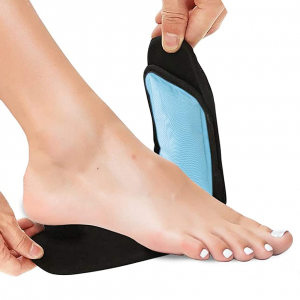
Foot & Ankle Ice Pack Wrap for Plantar fasciitis, Achilles Tendonitis & Ankle Sprains
- 1x Foot & Ankle Ice Pack Wrap for Plantar fasciitis, Achilles Tendonitis & Ankle Sprains
- For both Men & Women
- One size fits all
- Ideal for use during the P.R.I.C.E injury recovery protocol to help protect, ice, compress and support your foot to help speed up and improve injury recovery
- Recommended for helping to ease and treat a number of foot and ankle injuries and conditions including, Plantar Fasciitis, Achilles Tendonitis and Ankle Sprains, Metatarsalgia (ball of foot pain), Arthritis, Gout and more!
- Quickly heat the Foot & Ankle Ice Pack Wrap in a pan of boiling water for heat therapy or cool down in a fridge or freezer for cold therapy
- Specially formulated gel retains its temperature to provide long lasting and effective cooling cold therapy and soothing heat therapy to your foot and ankle
- Helps boost blood flow and supply fresh oxygenated blood to damaged tissue to promote the natural healing process
- Can be used to help ease pain and reduce inflammation and swelling after sustaining a foot injury
- Provides soothing compression and support to your foot and ankle to ease aches and pains and provide protection against further damage and injury
- Includes a full 30 day money back guarantee!
£8.99 -
FootReviver™ Ankle Support Splint Foot Brace
- 1x FootReviver™ Ankle Support Splint Foot Brace designed to ease foot, ankle and lower leg injuries and pain
- For both Men & Women
- Available in sizes Small, Medium & Large
- Features multiple fully adjustable straps that allow you to adjust the level of compression and the fitting of the brace quickly and easily
- Recommended for helping to prevent and speed up recovery of Achilles Tendonitis, Ligament Tears, Ankle Fractures, Sprains and Strains, Foot drop, Arthritis, Plantar Fasciitis, Shin Splints, and more!
- Ideal for use during the P.R.I.C.E injury recovery protocol to help protect, support and compress your ankle and foot to ease pain and speed up your injury recovery
- Features metal support splints that hold and immobilize your lower leg, ankle and foot in the correct position to prevent movement which could cause further damage and injury
- Provides soothing compression that helps stimulate blood flow to your foot to promote the healing of damaged tissue, reduce inflammation and swelling and ease aches and pain
- Made from breathable, skin friendly, moisture wicking materials with anti bacterial properties to keep your foot and leg dry, sweat free and feeling comfortable and fresher for longer
- Includes a full 30 day money back guarantee!
£14.99£19.99 -

Gel Heel Cushions
- 1x Pair of Heel Cushion Inserts for casual shoes, running shoes, boots and high heels
- For both Men & Women
- Available in sizes Small(Women) and Large(Men)
- Recommended for suffering from Plantar Fasciitis, Arthritis, Gout, Cuboid Syndrome, Heel spurs, Achilles Tendonitis, Shin Splints, Ankle Sprains & Strains
- Made from special shock absorbing gel that cushions you against impact during gait protecting your heels from shock and pressure damage
- Ideal for people who are on their feet all day and suffer from foot and heel pain
- Specially designed to help stop the build up of pressure underneath your heels by spreading pressure evenly throughout your heel to reduce aches and pains no matter how long you are on your feet for!
- Lightweight and can be fitted inside a number of shoes with perfect ease
- Reduces pressure off your heels making them ideal if you suffer from heel spurs and want to stop them from getting worse
- Massaging gel cushion helps to improve blood circulation around your heels making these heel cushions ideal for speeding up injury recovery time and for people suffering from circulation problems and diabetic neuropathy
- Includes a full 30 day money back guarantee!
£5.99


