Plantar fasciitis
Plantar Fasciitis: how it usually feels
Here you will find a range of products designed to help treat and prevent plantar fasciitis. These products have been tested to make sure they are reliable, comfortable to use, and give practical support for your feet. They are most useful when used alongside other measures, such as stretching exercises and gradual changes to how much time you spend on your feet.
Plantar fasciitis often causes a sharp, stabbing pain under the heel when you first stand up in the morning or after sitting for a while. Some people describe a pulling or bruised feeling along the inner side of the arch. Pain may ease a little once you have walked around, then return or build if you spend a long time on your feet. Others notice that pain is fairly mild at the start of the day but gradually becomes more uncomfortable as the hours go by, especially after standing or walking on hard floors. Over time, that can make simple things like walking to the shops or standing through a shift feel much harder than they should.
What’s going on in the foot?
Plantar fasciitis is one of the main causes of heel pain in adults. It happens when the plantar fascia, a thick band of tissue that runs from the underside of the heel bone to the bases of the toes and helps support the arch, becomes irritated.
In most people this irritation comes from repeated small strains over time, rather than from a single major injury. Each time you stand or walk, your body weight presses the arch down slightly and the plantar fascia tightens, like a strap helping to hold the arch up. If this strap is asked to do too much, too often, tiny areas of strain and inflammation can build up, especially where it attaches to the underside of the heel and along the inside of the arch. These spots can then become tender and stiff when you put weight through the foot.
Because the plantar fascia is working whenever you stand or walk, pain is usually felt during activities such as walking, standing still for a while, or going up and down stairs. When you rest, the tissues are under less tension and pain may ease, only to return when you are back on your feet.
How common is plantar fasciitis?
Plantar fasciitis is a frequent reason adults seek help for heel pain and is particularly common between the ages of 40 and 60. Over years of standing, walking, and sometimes higher‑impact exercise, the fascia and surrounding structures such as the calf and Achilles tendon can become less flexible and more easily irritated. It is seen in people who run and train regularly, and in those who simply spend long hours on their feet at work or at home.
Common ways the plantar fascia gets overloaded
There are several common ways the plantar fascia is put under extra strain:
- When you stand up after resting, especially first thing in the morning, the fascia and the calf–Achilles system may have settled into a slightly shortened, relaxed position. Your first steps then stretch these tissues quickly, particularly where the fascia joins the heel bone, which can trigger a sharp burst of pain.
- Long spells of standing, especially on hard floors, hold the plantar fascia under steady tension. If the arch is not well supported, or if footwear is very flat and thin, more of your body weight is carried through a small area under the inside of the heel and arch. Many small stretches over hours can add up and leave the tissue feeling sore and tired by the end of the day.
- Repeated impact from running or jumping increases the forces going through the heel and arch. Each landing briefly flattens the arch and stretches the fascia to help absorb and then return energy. If training volume or intensity rises quickly, or shoes are very worn, this extra demand can put more force through the fascia than it can comfortably cope with.
- Some people roll their feet inwards more than usual (overpronation), which allows the arch to drop further. Others roll outwards (supination), which keeps the arch higher and may focus pressure on a smaller area. Both can change how strain is spread along the fascia.
These factors do not affect everyone in exactly the same way, and many people notice a combination of them at different times.
Common plantar fasciitis presentations
Why supporting and protecting the foot can help
It is sensible to address plantar fasciitis rather than put up with it for long periods. If a sore area is put under the same strain again and again, with no change in how the foot is supported or how time on your feet is managed, it has less chance to settle. Ongoing pain can also lead people to limp or shift weight to one side, which over time may place extra strain on the ankles, knees, hips, or lower back. Many people only notice this once aches start to appear elsewhere.
Because the plantar fascia helps support the arch whenever you stand or walk, it is involved in almost all weight‑bearing activities. Reducing unnecessary strain on this tissue can make tasks such as walking, standing, and climbing stairs more manageable. Supports can help by cushioning the heel, supporting the arch, and reducing how far the foot rolls in or out. Night splints can limit sudden stretching at times of day when pain is usually at its worst, such as the first steps in the morning.
Calming a flare and looking after the longer term
Managing plantar fasciitis usually means doing two things: calming down the sore area when it is very painful, and gradually changing how load passes through the foot so it is less likely to keep flaring up.
In the short term, it often helps to cut back a little on the things that clearly set the pain off. This might mean breaking up long periods of standing with regular sitting breaks, shortening walks for a while, or choosing softer, more forgiving surfaces where you can. Cold therapy, such as using an ice pack wrap after a busy day, can help numb the area and ease discomfort after flare‑ups. It is generally sensible to use cold for short periods and to protect the skin with a cloth.
Over a longer period, stretching and strengthening exercises can improve how the foot and lower leg handle daily walking and standing. Exercises commonly target the calf muscles, the Achilles tendon, and the plantar fascia itself, as well as the small muscles within the foot that help support the arch. Footwear and insoles that support the arch and heel, and where appropriate night splints or braces, then work alongside these exercises to reduce repeated strain on vulnerable areas.
The products in this range are there to support the other steps you are taking and are best used together with guidance from a clinician where needed.
Daytime supports: insoles and footwear
Wearing shoes that fit well and offer good support under the arch and heel can make a real difference for many people with plantar fasciitis. Very flat shoes with thin soles, or shoes that are extremely flexible and unsupportive, can allow the arch to drop further and focus pressure under a small area of the heel. While some flattening of the arch is normal when you stand, spending long hours with the arch unsupported can keep the plantar fascia under more tension and increase irritation.
Orthotic insoles are a common type of insert you can put in your shoes to add support and cushioning. They provide a shaped surface under the arch, a cradle around the heel, and controlled cushioning under the forefoot. This guides the foot so it does not roll inwards or outwards as far, and spreads pressure more evenly across the heel and forefoot. In turn, this may reduce the load on sore points in the fascia during walking, standing, and other daily activities.
FootReviver orthotic insoles – how they work
FootReviver orthotic insoles are designed to help with the way your foot moves and takes weight. They aim to support and re‑position the feet so that they sit more comfortably inside the shoe and avoid extremes of inward or outward rolling.
They do this with a shaped arch section that lifts and supports the inner side of the foot, and a heel cup that gently surrounds the heel. The arch support reduces how far the arch drops when you stand, so the plantar fascia is not held on constant stretch. The heel cup helps spread impact away from a single tender point under the heel and encourages the heel to land in a more central, stable position. This is particularly relevant if your pain feels as though it sits under the inner or middle part of the heel.
These insoles also help reduce how much the foot rolls inwards (overpronation) or outwards (supination). By limiting these movements, the insoles encourage a more balanced way of bearing weight along the length of the foot, which may lessen irritation where the fascia attaches near the heel and along the arch. FootReviver insoles have been developed with input from clinicians such as physiotherapists and podiatrists who regularly see plantar fasciitis, so the contours and materials reflect common recommendations for arch and heel support.
Choosing footwear to use with insoles
People who spend a lot of time on their feet, walk on hard surfaces, or have noticeably flatter or higher arches often find that combining suitable footwear with orthotic insoles gives steadier support. In flatter feet, the fascia can be kept on stretch for longer as the arch lowers, while in high‑arched feet, pressure can be focused on a smaller contact area. In both cases, a shaped insole can help share load more widely.
Footwear that usually works well with insoles tends to have a reasonably firm but cushioned sole, a secure heel counter, and enough depth to allow for the added insole without making the shoe too tight. The aim is for the shoe and insole together to support the arch and cradle the heel without pinching or allowing the foot to slide around inside the shoe. FootReviver insoles are designed to sit securely in this kind of shoe so they feel stable under the foot on longer days when you are on your feet.
Added control: supports and braces
For some people, especially those who feel that their ankles are unsteady or that their feet tend to roll in or out unexpectedly, supports and braces can offer an extra bit of support around the foot and ankle. By limiting how far the ankle can tilt side‑to‑side and by providing a closer fit around the joint, they can reduce sudden movements that may add extra stress to the plantar fascia and other supporting tissues.
FootReviver supports and braces – who they may suit
FootReviver braces are made from breathable, durable materials and are designed to give both stability and gentle compression around the foot and ankle. The snug fit can give a firmer sense of support, which may be useful for people who experience plantar fasciitis alongside a feeling that the ankle wants to roll or give way, or who work on less predictable surfaces.
Gentle compression can also help reduce some swelling and soreness around the ankle and heel, although it is important not to apply them so tightly that they cause numbness, tingling, or colour change in the toes. It is usually best to start wearing a brace for shorter periods and gradually build up the time, checking that the fit remains comfortable.
These braces are intended to be worn during everyday tasks such as standing, walking, brisk walking, or lighter sports. They may be particularly helpful in jobs or activities that involve frequent turning, side‑to‑side steps, or walking on uneven ground, where extra control around the ankle can reduce unexpected pulls on the plantar fascia.
Night‑time: splints and stretching position
Many people with plantar fasciitis find that their heel pain is at its worst when they first get out of bed or stand up after a period of rest. During rest, the foot often points slightly downwards, and the calf muscles, Achilles tendon, and plantar fascia can settle into a shorter position. When you then stand and the ankle bends up and the arch lowers, these tissues are stretched quickly. If the fascia is already sensitive, that sudden stretch can feel very sharp. That sudden change in length is often the same “first‑step” pain described earlier.
Night splints are designed to help by holding the foot in a more neutral or slightly upward position while you sleep. This keeps the plantar fascia and Achilles tendon under a mild, steady stretch rather than allowing them to shorten fully. The aim is to reduce the jump between the resting position overnight and the position your foot moves into on your first few steps, so that the tissue is not jolted from very short to very long in an instant.
FootReviver night splints – overnight support
FootReviver night splints aim to keep the plantar fascia and the Achilles tendon lightly stretched throughout the night by holding the ankle at a set angle. By maintaining this position, they can help reduce morning stiffness and soreness around the heel and arch, as there is less sudden change in length when you first stand.
Many people find that regular use of a night splint, alongside daytime insoles and stretching, makes those first steps of the day easier to manage. Comfort and tolerance can vary between individuals, and the angle or fit may need to be adjusted gradually. FootReviver night splints are designed so that the angle can be changed in small steps, rather than forcing the foot into a strong stretch straight away. If wearing a splint causes increasing pain, pins and needles, or colour change in the foot, it is important to loosen or remove it and seek advice.
Calming flares: cold therapy and massage tools
Alongside supports you wear on your feet, simple tools that help calm sore tissues or ease tight muscles can also help with plantar fasciitis. Cold therapy is often used to help reduce pain after a spell of higher activity, while massage tools can be used to gently work into the sole of the foot and the calf muscles.
Cold works mainly by numbing the area and reducing blood flow to it for a short period, which can ease pain and the sense of heat or throbbing after the plantar fascia has been irritated. Gentle massage and rolling can change how tense the tissues feel and can help them cope better when you next walk or stand. These approaches do not change the underlying mechanics, but they can help your foot tolerate load more comfortably.
Foot ice pack wraps
Applying cold to the heel or arch after periods of increased pain can help reduce discomfort. Foot ice pack wraps are shaped to fit around the foot, allowing cold therapy to be applied directly to the painful area while you rest. FootReviver wraps are cut to sit closely around the heel and arch so they are less likely to slip. They can be particularly useful after a long day on your feet or following more intense activity, when the plantar fascia feels more irritated and the heel or arch feels hot or throbbing.
In general, cold wraps are used for short spells at a time rather than continuously and should not be applied directly to bare skin. Placing a thin cloth between the wrap and the skin and checking the area regularly helps reduce the risk of cold‑related skin problems.
Spiked foot rollers and massage balls
Spiked massaging foot rollers and balls can be used to gently roll the sole of the foot. This applies controlled pressure and movement to the plantar fascia and the small muscles of the foot, which can help them feel less tight and sore. Short sessions, staying within a comfortable level of pressure, are usually enough. Pressing too hard can make symptoms worse rather than relieve them.
Some people also use these tools to ease tension in the calf muscles. The calf and Achilles tendon are closely linked to the plantar fascia, and tightness higher up the leg can increase the pull on the fascia when you walk. Gently rolling the calf over a massage tool may help reduce this tightness and, in turn, reduce the strain passed on to the underside of the foot.
How these products can work together day and night
Many people end up using a mix of these options rather than relying on one product alone. For example, orthotic insoles can be worn inside everyday shoes during the day to support the arch and cradle the heel during walking and standing. A brace might be put on for times that involve more turning or uneven ground if the ankle feels unsteady.
At night, a splint can be used to help limit the overnight shortening of the plantar fascia and calf–Achilles system, so that morning steps feel less sharp. After particularly demanding days, or after runs or other higher‑impact activities, foot ice pack wraps and a short session with a massage roller or ball can help to settle soreness and ease tightness in the foot and calf.
Someone whose pain is mainly first‑step pain in the morning may lean more on night splints and early‑use insoles. Someone whose pain builds through the day may focus more on insoles and footwear, with cold wraps at the end of a shift. Those with sport‑related flares often combine sport‑ready insoles with recovery tools after training.
These products tend to work best when used alongside gradual changes to how long you are on your feet, regular stretching and strengthening, and, where needed, advice from a GP, physiotherapist, podiatrist, or other appropriate clinician.
Why choose FootReviver?
FootReviver offers a range of products aimed at easing and helping to prevent plantar fasciitis, including orthotic insoles, supports and braces, night splints, massage tools, and foot ice pack wraps. Each product has been developed with heel and arch pain in mind, using features such as shaped arch sections, structured heel cups, adjustable straps, and comfortable fabrics to support the foot in practical ways.
The materials used are chosen for comfort, durability, and support, so that products stand up to everyday use and feel comfortable enough for longer periods of standing and walking. Designs in the FootReviver range reflect common clinical recommendations for plantar fasciitis, focusing on spreading pressure away from sore spots, guiding the foot into a steadier position, and helping to protect irritated tissues across the day and night.
FootReviver also offers a 30‑day money‑back guarantee. If you are not satisfied with your purchase, you can return it within 30 days for a refund.
Putting it together and what you can do next
Plantar fasciitis can be frustrating and limiting, particularly when it makes walking even short distances, standing through a shift, or taking part in exercise painful. For many people, the pain follows one or more of the experiences described earlier: sharp first‑step heel pain in the morning, aching that builds after long hours on your feet, or flares linked to running and sport. In each case, the underlying issue is similar – the band of tissue under the foot is being asked to cope with more strain than it can comfortably manage.
The FootReviver range is designed to respond to those strains in practical ways. Orthotic insoles and suitable footwear help support the arch and cradle the heel during the day, so the fascia is not constantly pulled or loaded through one small spot. Supports and braces add extra control around the ankle when rolling or a feeling of giving way are adding to the problem. Night splints help reduce the sudden stretch on the fascia and calf–Achilles system that often makes first steps in the morning so painful. Foot ice pack wraps and massage tools offer targeted ways to calm soreness and ease tightness after busier or more demanding days.
You may wish to look at daytime supports such as insoles and braces if your pain is most noticeable when you are on your feet, night splints if mornings are particularly difficult, and ice wraps and massage tools to help with flare‑ups after work or sport. If your pain is severe, comes on suddenly after an injury, is associated with marked swelling, changes in colour or temperature in the foot, difficulty bearing weight, or is not improving over time, it is sensible to speak to a GP, physiotherapist, podiatrist, or another appropriate clinician for further assessment and tailored advice.
The information on this page, and the products described in our range, are intended for adults and are offered as general guidance. They are not a substitute for individual medical assessment, diagnosis, or treatment from a suitably qualified professional, and no specific results or cures can be guaranteed.
-

Orthotic Arch Support Sandals for Flat Feet & Plantar Fasciitis
- If you dread those first few steps on hard floors in the mornings because your heels and arches flare up, FootReviver sandals offer relief by calming that strain and supporting your feet properly all day.
- This pain often happens because the plantar fascia—a ligament along the bottom of your foot—can tighten overnight. Stepping down stretches it abruptly, causing that sharp morning sting. Hard floors can then jar the same sensitive areas with each step.
- The sandals address this directly by cradling your arch and heel from the moment you stand, easing that initial stretch. Their cushioning then absorbs shock throughout the day, taking the pressure off your feet on hard surfaces.
- Ideal for flat feet, fallen arches, plantar fasciitis, or overpronation—whether you wake with heel pain, feel arch fatigue on hard floors, or notice your feet rolling inward.
- The contoured footbed acts more like a clinical orthotic than a simple sandal, with built-in arch support and a deep heel cup to lift flat arches, stabilize your heel, and lessen tension on the plantar fascia.
- The seamless, soft moulded EVA sole provides a cushioned foundation to soften every step on hard floors, reducing jarring impact through your heel, arch, and forefoot during long periods of standing or walking.
- Lightweight and breathable, with an open-toe shape, they give your toes room to move while keeping your foot comfortably in place on the supportive footbed—so you can wear them all day without feeling heavy or constrained.
- The toe-post and secure strap placement help keep your foot correctly positioned over the arch and within the heel cup, especially when you follow the sizing guide to choose your fit.
- The outsole is designed for reliable grip, but as with any footwear, it’s wise to be careful on wet, greasy, or polished surfaces and on stairs.
- Available in a range of men’s and women’s sizes, backed by a 30-day guarantee so you can try them at home and feel the difference in your daily routine.
£34.99 -
Gel Orthotic insoles for Morton’s Neuroma
- Pair of full‑length gel orthotic insoles designed specifically to help with Morton’s neuroma and pain in the ball of the foot.
- Shock‑absorbing gel from heel to toe, combined with a supportive 3/4‑length plastic chassis, to soften impact and stabilise the foot with each step.
- Extra‑resistant heel and forefoot pads under the main pressure zones to give added protection where the heel strikes and where you push off through the toes.
- Contoured arch support and rearfoot stability to help limit excessive rolling in or out of the foot, which can overload the forefoot and aggravate neuroma.
- Suitable for adults with Morton’s neuroma, forefoot pain, or underlying issues such as flat feet, high arches, overpronation or supination.
- Trim‑to‑fit design in a range of UK sizes, so you can shape the insoles to sit smoothly inside everyday shoes, work shoes and casual trainers.
- Supportive alignment and cushioning may help ease strain up through the ankles, knees, hips and lower back during standing and walking.
- 30‑day money‑back guarantee, so you can try them in your own footwear with confidence.
£9.99£12.99 -
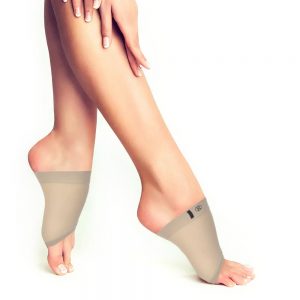
Gel Arch Support Plantar fasciitis sleeve socks
- 1x Pair of Arch support sleeve socks designed to help ease foot pain caused by plantar fasciitis and speed up your injury recovery
- For both Men & Women
- One size fits most
- Made from medical grade silicone gel that moulds to the exact shape and contours of your arches to support your feet and take the strain and pressure off your plantar fascia ligament allowing your to recover faster from Plantar fasciitis
- Helps to correct your gait and stops biomechanical imbalances such as Overpronation and supination during the gait cycle from placing abnormal load on your feet which can lead to overuse injuries such as plantar fasciitis
- Recommended by podiatrists to help treat and prevent Plantar fasciitis, Heel Spurs, Achilles tendonitis, Bunions, Calluses, Blisters, Poor circulation, Neuropathy, Metatarsalgia, Morton’s Neuroma, Sesamoiditis, Foot fatigue, Sprains and Strains, rheumatoid Arthritis and Osteoarthritis
- Quickly and effectively eases foot pain caused by plantar fasciitis by providing soothing compression to your foot that will also help to stimulate blood flow and reduce inflammation and swelling
- Helps absorb shock and prevents pressure points from forming underneath your foot to protect your weakened plantar fascia ligament from further damage
- Simply and easy to wear and can be worn with or without shoes or socks to provide soothing relief around the house
- Perfect for runners and athletes wanting extra support to avoid foot injuries
- Made from soft, breathable and skin friendly fabric that does not rub or chaff even when wearing the foot sleeves for long periods of time
- Can be chilled in a fridge for a few minutes to then provide soothing cold therapy to your feet
- Includes a full 30 day money back guarantee!
£7.99£10.99 -

Plantar Fasciitis Night Splint
- Night‑time splint designed around plantar‑fasciitis‑type heel and arch pain, to make those first steps after rest feel more manageable.
- Holds your ankle close to a right angle and keeps the sole gently stretched while you sleep, so the plantar fascia and calf do not fully tighten overnight.
- Adjustable metal bar built into the front panel can be gently bent by hand to set the ankle angle; wide, strong hook‑and‑loop straps then hold your foot and lower leg securely in that position.
- Soft‑lined, breathable, slightly stretchy body with wide straps over padding, not bare skin, to reduce digging‑in and rubbing; open heel and open toes to avoid pressure under the heel and let air circulate.
- Universal adult sizing for men and women, with a shaped heel cradle designed to hold the heel steady without pressing hard into the sides.
- Provides gentle, even compression around the arch and ankle, helping to limit overnight swelling and give the foot a supported, “held” feeling while tissues recover.
- Primarily for plantar fasciitis and similar heel pain, and sometimes used on clinician advice alongside treatment for problems such as Achilles tendon pain, long‑standing heel spurs, forefoot overload, or mild ankle instability.
- Intended to be used together with sensible daytime steps – such as stretching, strengthening, supportive footwear, and, where appropriate, orthotic insoles from FootReviver™ – rather than as a stand‑alone cure.
£11.99 -
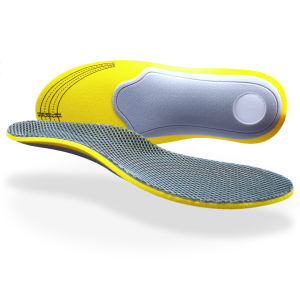
FootReviver™ Orthotic Plantar Fasciitis Insoles
- Designed specifically for plantar fasciitis heel and arch pain: Sharp first‑step pain in the morning, aching after time on your feet, or soreness along the arch that keeps coming back.
- Targets the real source of the problem – how your foot is loaded: Supports the band under your foot (plantar fascia), steadies the heel, and helps stop the arch dropping and rolling in more than it can comfortably cope with.
- Firm 3/4‑length support where you need it, not a hard block under your whole foot: A structured base under the heel and arch holds its shape to support you, while the front of the insole stays softer and more flexible for natural push‑off.
- Deep heel cup with cushioning to calm sore heels in shoes: Cradles the heel, holds the fat pad under the heel bone, and spreads impact away from the tender spot where the plantar fascia attaches.
- Shaped arch support with gentle control of extra inward roll: Meets the arch earlier in the step so it cannot collapse as far, and reduces extra rolling‑in that repeatedly tugs on the fascia at the heel.
- Full‑length cushioned top layer to protect the forefoot as well as the heel: Runs from heel to toes, gradually shaping to your foot to share pressure under the ball of the foot and give space for wider or splayed toes.
- Helps on hard floors, long periods of standing or walking, and higher‑impact days: Combines firm rearfoot support with cushioning under heel and forefoot to make standing, walking, and even light running or sport more manageable.
- Trim‑to‑fit design for most closed‑back shoes: Cut to size at the front, drop into your usual shoes, and the anti‑slip base helps keep them in place under your heel and arch.
- Normal to feel them at first – then expect steadier, more comfortable steps: Start with a few hours a day and build up. A mild awareness under the arch and heel is common at first; as your feet adjust, many people find standing and walking become easier and less painful.
- One practical part of managing plantar fasciitis – clear support, not a magic cure: Works best alongside sensible changes in time on your feet and any exercises or advice from your GP, physiotherapist, or podiatrist.
£9.99 -
1x Pair Of Plantar Fasciitis Sleeve Braces
- 1x Pair of FootReviver™ Plantar Fasciitis Sleeve Braces designed to support your arches and ease foot and heel pain caused by Plantar Fasciitis
- For both Men & Women
- One size fits most
- Utilizes orthotic support technology to support and realign your feet helping to prevent biomechanical imbalances from damaging your feet
- Provides soothing compression to help speed up your recovery, reduce inflammation and swelling and ease aches and pain
- Allows your feet to make a faster and fuller recovery and prevent Plantar fasciitis from reoccurring
- Includes a full 30 day money back guarantee!
£16.99£19.99 -
FootReviver™ Foot Ankle Orthosis – Support Brace for Ankle Sprains, Strains, Achilles Tendonitis & Foot Drop
- Semi‑rigid ankle and rearfoot brace from FootReviver, offering much more control than a thin elastic support but without the weight and bulk of a rigid walking boot – designed for the stage when you can walk again, but the ankle still feels weak, wobbly or at risk of giving way.
- Multi‑splint frame with paired side bars and a rear splint up the Achilles region helps stop the ankle rolling in or out and limits sharp twisting, while still allowing enough up‑and‑down movement for walking, standing and everyday tasks.
- Detachable, shapeable front panel and three independently adjustable calf straps let you spread pressure comfortably across the front and sides of the lower leg, set how firmly the brace holds you, and adapt to mild changes in swelling through the day.
- Padded, supportive fabric and targeted cushioning around the ankle bones and back of the heel reduce rubbing and pressure in the areas physiotherapists and podiatrists most often see problems with other supports, so you can realistically wear this brace for longer spells.
- Wrap‑around design under the rearfoot and arch helps keep the heel closer to a straight‑ahead position when you load the foot, supporting stretched outer ankle ligaments after sprains and helping arthritic ankle and rearfoot joints avoid painful end positions.
- Suitable for adults in the rehabilitation stage after ankle sprains, fractures or surgery (when a clinician has cleared you to move more), and for longer‑term ankle instability, arthritis around the ankle/rearfoot, Achilles tendon problems and some milder cases of drop foot where extra stability, not active toe‑lift, is needed.
- Universal left/right fit and three sizes based on UK shoe size, with secure hook‑and‑loop straps, make it easier to achieve a firm but comfortable fit; returns and straightforward size exchanges within 30 days mean you can try it at home and change size if the first choice isn’t right.
- Designed by FootReviver using lower‑limb biomechanical experience and feedback from physiotherapists, podiatrists and orthotists about how ankles most often roll and where supports tend to rub, so the splint layout and padding zones are chosen to reflect real‑world use in clinic.
£14.99£19.99 -

Arch Support Compression Socks for Plantar Fasciitis
- 1x Pair of Arch Support Compression Socks for Plantar Fasciitis
- For both Men & Women
- Available in two different UK shoe sizes S/M & L/XL
- Designed to support the arches of your feet helping take strain and pressure off the Plantar Fascia ligament and prevent overuse injuries such as Plantar Fasciitis from developing or worsening
- Specially developed graduated compression technology helps to stimulate blood flow to your feet helping to supply fresh oxygenated blood to them to reduce inflammation and swelling and fatigue, ease aches and pains and promote healing of damaged tissue
- Recommended for helping to ease, treat and prevent a wide range of foot injuries and conditions including Plantar Fasciitis, Arthritis, Gout, Achilles tendonitis, Heel Spurs blisters and more!
- Ergonomically designed and made from lightweight breathable materials with moisture wicking and anti bacterial properties makes these compression socks the ideal choice for runners and athletes wanting to better protect and support their feet
- Features non-slip cuffs that help to keep the compression socks up and securely in place and prevents them from rubbing and chaffing even during the most vigorous exercise routines
- Includes a full 30 day money back guarantee!
£8.99 -
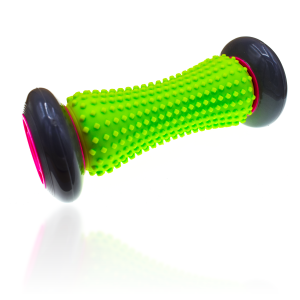
Foot Massage Roller
- 1x Foot Massage roller designed to massage and ease your feet and lower legs, help loosen tight muscles, soothe aches and pains and stimulate blood flow and the nerves in your feet
- Simple and easy to use – Simply place on a flat surface and roll your foot gently across the roller
- Helps ease Plantar Fasciitis pain in the mornings by releasing tension and loosening the Plantar fascia ligament
- Features specially designed reflexology nodes that helps to stimulate blood flow to your feet reduce inflammation and swelling and promote healing of damaged tissue
- Ideal for people suffering from Plantar Fasciitis, Metatarsalgia (ball of foot pain), Achilles tendonitis, Neuropathy, Diabetes, Muscles Spasms & Cramps, Shin splints or simply tired aching feet
- Can be used to help warm up the muscles in your feet and lower legs before exercise to prevent injury from pulling or overstretching your muscles
- Includes a full 30 day money back guarantee!
£9.99£12.99 -
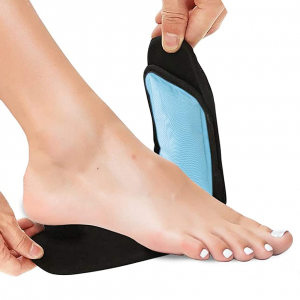
Foot & Ankle Ice Pack Wrap for Plantar fasciitis, Achilles Tendonitis & Ankle Sprains
- 1x Foot & Ankle Ice Pack Wrap for Plantar fasciitis, Achilles Tendonitis & Ankle Sprains
- For both Men & Women
- One size fits all
- Ideal for use during the P.R.I.C.E injury recovery protocol to help protect, ice, compress and support your foot to help speed up and improve injury recovery
- Recommended for helping to ease and treat a number of foot and ankle injuries and conditions including, Plantar Fasciitis, Achilles Tendonitis and Ankle Sprains, Metatarsalgia (ball of foot pain), Arthritis, Gout and more!
- Quickly heat the Foot & Ankle Ice Pack Wrap in a pan of boiling water for heat therapy or cool down in a fridge or freezer for cold therapy
- Specially formulated gel retains its temperature to provide long lasting and effective cooling cold therapy and soothing heat therapy to your foot and ankle
- Helps boost blood flow and supply fresh oxygenated blood to damaged tissue to promote the natural healing process
- Can be used to help ease pain and reduce inflammation and swelling after sustaining a foot injury
- Provides soothing compression and support to your foot and ankle to ease aches and pains and provide protection against further damage and injury
- Includes a full 30 day money back guarantee!
£8.99 -
FootReviver™ Insoles for Supination
- 1x Pair of Insoles for Supination designed to correct your gait and prevent foot pain and injuries
- For both Men & Women
- Available in UK shoe sizes: XS (UK: 1-2), Small (2 – 3), Medium (4-6), Large (7-8.5), Extra Large (9-11)
- Specially designed to correct supination by titling your feet into the correct position during gait
- Eases strain and pressure off your feet and prevents foot and heel pain and injuries including Plantar Fasciitis & Achilles Tendonitis
- 30-day money back guarantee!
This item is currently out of stock and coming soon. However, you can still order a pair supination insoles from our partner website Nuovahealth here.
£16.95 -

FootReviver™ Orthotic Heel cups for Shoes & High Heels
- 1x Pair of FootReviver™ Orthotic Heel cups for Shoes & High Heels perfect for plantar fasciitis and heel pain
- Eases a number of foot and lower limb injuries including plantar fasciitis, heel spurs, Achilles tendinitis, shin splints and knee tendinitis
- Designed specially to support and restore balance to your heels and ankles
- Medical grade silicone gel absorbs shock and impacts and spreads pressure underneath your heels and prevents pressure points from developing
- The lightweight and compact design means that these heel cups can be fitted into a wide variety of shoes and boots
- Inbuilt arch support eases pressure on your arches and prevents excessive pronation which can cause injuries to develop
£7.99