

FootReviver™ Arch support insoles
£9.99
- A pair of trim-to-fit arch support insoles that sit inside your shoes.
- For adults dealing with heel, arch or forefoot discomfort during standing and walking.
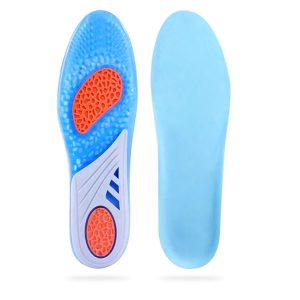
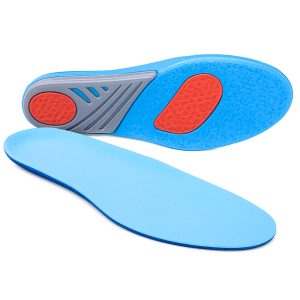
- Contoured arch shape that lifts and steadies the midfoot.
- Deep heel cup that cradles the heel and limits side-to-side movement
- Metatarsal pad that spreads pressure across the ball of the foot.
- Heel cushioning that softens impact on hard floors.
- Flexible forefoot zone so the foot can roll through each step.
- Anti-slip underside that keeps the insole in place as you walk.
- Lightweight build that sits comfortably in trainers, work shoes and everyday footwear.
- Trim a little at a time and check the fit before cutting further.
- Build wear time up over the first week rather than wearing them all day from the start.
- Check them every few months and replace once the arch support flattens.
- Not a substitute for an assessment if pain is severe or getting worse.
What recurring foot pain tends to feel like
Recurring pain rarely appears from nowhere, and it tends to settle in a few familiar places. You may notice it first as a tired ache after a long day, stiffness in the sole of your foot when you get out of bed, or a sharp pain under the heel that eases and then comes back. For some people the ball of the foot feels bruised, the arch feels weak, or the whole foot feels less steady than it used to. Shoes that felt fine before may start to feel unsupportive. Walking on hard floors, standing for long stretches, or simply doing more than usual can bring the discomfort back.
That pattern is worth paying attention to, because the foot is the base for the rest of your body. When the foot is not supported well, the effects do not always stay in the foot. You may feel strain in the ankle, knee, hip or lower back. You may also change the way you walk without realising it, which can make the original discomfort worse. Pain like this rarely means the foot has become weak. More often, the weight passing through it as you stand and walk is not being spread as well as it could be, and the structures in and around the foot are working harder than they need to.
What the arch does, and why it starts to hurt
To understand why that happens, it helps to know what the arch does. Your arch is a living structure made up of bones, joints, ligaments and the plantar fascia — the strong band of tissue that runs under the sole from the heel towards the toes. When you take weight, the arch flattens slightly to absorb shock. As you push off, it recoils and helps propel you forward. That movement is normal and useful. Trouble starts when the arch has to absorb more weight than it can comfortably manage.
The weight and force travelling through your foot as you stand and walk is what most people call load. How well that load is shared out determines which structures end up taking the strain. Think of each step as a small sequence. The heel contacts the ground first. Weight then moves through the arch as the foot takes your body weight. Finally, you push off through the ball of the foot and toes. If the arch is well supported, that sequence shares the load efficiently. If the arch drops too far or rolls inward too much, the pressure shifts to areas that are not built to take it repeatedly. The heel, the plantar fascia and the ball of the foot all become irritated.
One common pattern is overpronation. Pronation is the natural inward roll of the foot as it meets the ground, which helps spread weight and keep you balanced. Overpronation means the foot rolls inward further than usual. The arch drops lower, the foot turns in, and the load shifts towards the inner edge. The heel and the ball of the foot then take more pressure than they should, the plantar fascia is stretched further than it can comfortably manage, and the soft tissue around the heel and across the ball of the foot becomes irritated.
Where the pain sits, and when it appears, tends to point to which structure is taking the strain. Pain under the inner heel that is sharpest with your first few steps in the morning, then eases as you keep moving, is a familiar pattern. Overnight, the plantar fascia and the tissue around the heel rest in a shortened position. That first step stretches them suddenly, and the stretch is what you feel. Keep walking and the tissue lengthens, the load spreads, and the sharpness settles into a dull ache. By evening, after hours on your feet, the same spot may feel sore again. Nothing new has happened; the total load across the day has simply added up.
Standing and walking ask different things of the foot. Standing puts the arch under steady compression and holds the weight in one place for a long time, so a long queue or a shift on a hard floor tends to produce a heavy, tired ache rather than a sharp one. Walking moves the load, and the strain appears at the points where the foot changes direction: the heel at contact, the arch as weight passes through, the ball of the foot at push-off. If you have flat feet, the arch drops lower under that weight, and the inner ankle and inner knee take more of the strain. Flat feet are only one route in, though. Long periods on your feet, unsupportive shoes, hard surfaces and repetitive strain can all make a foot that was coping reasonably well start to hurt.
The signs often build quietly. You might notice aching after a busy day, stiffness first thing in the morning, or a feeling that your shoes no longer give you the support they once did. As the strain continues, the discomfort becomes more persistent and starts to shape what you do. You may avoid certain activities, change your route, or stand differently to protect the foot. That change in how you move adds strain to the ankle, knee, hip and lower back, which then take more of the load with each step. Foot pain left alone can spread in this way and settle in.
It is worth taking seriously. There is no need to panic about every ache, and no need to self-diagnose. But if the same area keeps hurting, that is a signal your foot may need better support while it settles.
How arch support insoles help
Arch support insoles work with the foot. They sit inside your shoe and give the arch a more stable surface to rest on. Once the arch is supported, the foot stops collapsing inward as far during each step. The load is shared more evenly across the sole, so the heel and the ball of the foot take less of it than they would otherwise. The heel sits in a more controlled position, and the forefoot is less likely to take repeated pressure in the same spot.
A good insole gives the foot a better base while it moves. It should feel supportive without being rigid, and it should let the foot roll through a step naturally. For many people with common foot pain, that kind of support is a sensible first practical step. It does not replace a proper assessment, but it can help the foot cope better with everyday weight-bearing.
Who these insoles may help
FootReviver arch support insoles are intended for adults who want more support from their footwear. They are a reasonable option if you are dealing with a diagnosed foot problem, or with a pattern of discomfort that has not settled.
Plantar fasciitis is irritation of the band under the arch. It usually produces sharp pain under the inner heel with the first steps after rest. The pain eases as you move and returns after long periods on your feet.
Flat feet — where the arch sits low and drops further under weight — usually bring a tired, heavy ache through the midfoot and inner ankle by the end of the day.
Overpronation is the inward roll taken further than it should. The foot turns in, the arch drops lower, and the usual complaint is soreness spread along the inner edge of the foot and around the inner heel.
In the ball of the foot, metatarsalgia feels like a bruise or a burning ache under the long bones behind the toes, worse in thin-soled shoes and on hard pavements.
Morton’s neuroma feels different: a sharper, sometimes shooting discomfort in the forefoot that can extend into the toes, often worse in narrow shoes that press the foot from the sides.
Achilles tendinitis sits at the back of the heel, where the tendon meets the bone. It hurts most when you push off — going upstairs, walking uphill, or setting off after sitting.
Heel spurs are bony changes at the heel. They do not always cause pain themselves, but they often appear alongside the same load patterns that irritate the plantar fascia.
Shin splints produce a diffuse ache along the inner shin that builds with repeated impact on hard ground.
General foot fatigue is the broad, worn-out feeling that arrives after a long day on your feet. Knee, hip or lower back discomfort can accompany any of these when the foot’s alignment changes how you walk.
The exact description does not have to match. What counts is whether the pattern feels familiar: pain or tiredness that comes on with standing or walking, a sense that the arch needs more support, or discomfort that eases when you wear more supportive shoes. If your pain is severe, or steadily worsening rather than coming and going, that on its own is reason to have it assessed.
How FootReviver insoles are designed to help
The principle is straightforward: support the foot where it needs it, limit unnecessary strain, and make everyday movement feel steadier. Padding on its own softens the sole but does not change how your weight passes through the foot. The shape of this insole does two things. It holds the foot in a position where weight is carried more evenly, and it puts the arch, heel cup and metatarsal pad to work at different points in the step.
Contoured arch support and alignment
The core of the insole is a contoured arch that follows the natural curve of the foot. It lifts and stabilises the midfoot — the area between the heel and the ball — which is where the arch drops inward when support is poor. By giving the arch a firm but comfortable surface, the insole limits how far the plantar fascia is stretched while you are on your feet. That stretch is what produces the sharp first-step pain, so limiting it is what makes the walk to the bathroom in the morning, and the walk to the car, feel less punishing.
The effect carries up the leg. With the arch held up, the foot rolls inward less, so the leg above it turns inward less with each step. That takes some of the pull off the inner shin and can reduce the load through the inner knee. People with knee discomfort that tracks back to their foot alignment often find stairs and longer walks become easier before the foot itself feels much different. For someone with flat feet or a strong tendency to overpronate, the support also lifts some of the load off the heel and forefoot, so a long shift or a long day on your feet leaves the foot less spent by the evening.
Deep heel cup, stability and shock absorption
The heel cup is the raised section at the back of the insole. It cradles the heel and limits side-to-side movement. That control helps because the heel takes a large share of the impact with every step. If it moves too far, the ankle and surrounding ligaments have to work harder to keep you upright. Holding the heel steady reduces that demand and supports a more consistent walking pattern.
The cushioning underneath works with it. Impact forces are highest at heel contact, especially on hard floors. Cushioned material spreads that peak force over slightly more time and area, so the heel bone and the tissue around it are not taking the full load in an instant. In practice, that is why the insole may help most on tiled floors, pavements, and long stretches of standing.
The same steady heel helps the Achilles tendon, which is loaded every time you push off. A foot that is not rolling inward excessively gives the tendon less to correct for, and you will notice that most when going upstairs, on slopes, and when you set off after a period of rest.
Metatarsal support and forefoot comfort
A dedicated metatarsal pad sits under the ball of the foot, just behind the toes. This is where pressure peaks as you push off, especially when you walk a lot or stand for long stretches. The pad spreads force more evenly across the metatarsal heads — the rounded ends of the long bones that form the ball of the foot — instead of letting it concentrate under one or two of them. A bruise-like ache in the forefoot often eases once that pressure is shared, and thin-soled shoes become more tolerable.
That pad also lifts the bones slightly and holds them a little further apart, which eases the pinching that narrow shoes create across the forefoot. People with nerve-related discomfort in that area often find the reduced sideways compression helps more than cushioning alone. Holding the metatarsal heads up also limits how far the toes drop into a curled position, so the pad may help the tendency towards hammer toes — toes that become held in a bent position at the middle joint. For anyone whose discomfort sits in the ball of the foot rather than the heel, this is one of the most useful features on the insole.
Fit, stability and everyday wear
An insole only helps if it stays in place and fits properly. The trim-to-fit edges let you adjust it to your shoe size and shape. Trim gradually and check as you go, so the insole sits flat without bunching under the toes or lifting at the heel. A badly fitted insole changes where it presses, which can put new pressure on the arch or push the foot forward into the toe box.
The anti-slip underside keeps the insole secure inside the shoe, so it does not slide forward or shift to one side as you walk. The flexible forefoot zone lets the front of the foot move naturally as you push off, so the arch gets support without the foot being held back from rolling through the step. Lightweight construction means none of this feels bulky or heavy, so it can be worn in trainers, work shoes and everyday footwear without making the shoe feel tight.
Moisture, airflow and day-to-day comfort
A moisture-wicking upper fabric draws sweat away from the skin, which keeps the foot drier through the day and limits the irritation that comes from moisture building up over long hours. Ventilation channels let air move around the foot so heat can escape. Extra padding sits at the heel and across the ball of the foot, where pressure is highest.
None of these features treats a foot problem on its own. What they do is make the insole comfortable enough to wear all day, which is when the support starts to make a difference. An insole you take out after an hour is not changing much.
Durability and how it compares with basic insoles
Basic insoles are often little more than a flat layer of foam. They feel soft at first, but they give the arch no real support and they compress under load, so the softness you felt on day one does not last. FootReviver insoles are built with a shaped arch, a heel cup and a metatarsal pad. Together those hold the foot in a position where load is carried differently, step after step.
The materials are chosen to hold their shape with daily use, so the arch support keeps doing its job for longer than a soft foam layer would. Any insole wears eventually, and what you get from a well-made one is a longer stretch where the support is still working, rather than a layer that flattens quickly and leaves the sole carrying the load again.
Fitting, wear and aftercare
Start by trimming the insole carefully to match your shoe. Use the printed guidelines as a reference, but cut a little at a time and check the fit before going further. The insole should sit flat, without curling at the edges. If it bunches under your toes or lifts at the heel, it is not sitting correctly, and that shows up as pressure in the wrong place instead of support in the right one.
Give your feet time to adjust to the insoles. Start with shorter periods, such as an hour or two, and build up gradually over the first week. Some people feel the new support under the arch straight away. Others need a few days. A firm feel at first is not necessarily a sign that something is wrong. Your foot is used to less support, and the arch and the muscles around it are being asked to work in a slightly different way. If the firmness under the arch does not settle after a few days, wear them for shorter periods for a while before trying again.
Comfort usually improves gradually as your foot adapts. The insole changes the pattern of load, and your muscles and joints need a short time to get used to it. You will know it is working when you can stand for longer before the ache arrives, when stairs feel less of a chore, or when the walk to the shops no longer leaves the foot sore. If the insole causes new pain, or a sharp pressure point that does not settle, stop using it and seek advice.
Clean the insoles regularly, following the instructions. In most cases, wiping them with a damp cloth, or hand-washing and letting them air-dry, is enough. Keep them away from a hot dryer, as heat can damage the shape. Alternate between pairs of shoes where you can, so the insoles are not compressed in the same way every day and have a chance to dry out fully between uses.
Check the insoles every few months. Look for flattening, thinning in high-pressure areas, a loss of arch support, or reduced cushioning. When that happens, the insole is no longer doing the job it was bought for, and it is time to replace it. That is ordinary wear rather than a fault, and replacing a worn insole is part of getting consistent support.
When to get advice
An insole can support the foot, but it cannot tell you why the pain started. Working out what is behind it takes an assessment. If your pain is persistent, severe or getting worse, speak to a GP, physiotherapist or podiatrist. The same applies if you develop new or unexplained symptoms, or if the pain does not improve with better footwear and support. A proper assessment can check what is driving the problem and whether something else needs attention. Do not ignore pain that is clearly escalating, and do not use an insole to hide a problem that needs clinical review.
Is this worth trying?
If any of this sounds familiar — aching after standing, tired arches, heel pain, forefoot pressure, or a sense that your shoes are not giving you enough support — FootReviver arch support insoles are shaped to give the foot a more stable base. They support the arch, cushion the heel and forefoot, and help share load more evenly through everyday movement. They will not suit everyone, and they do not replace advice from a clinician if your symptoms are significant. For adults who want to support their feet better and take some of the strain out of everyday walking and standing, they are a practical, low-risk step.
The most useful approach puts better support alongside sensible habits: shoes that fit well, wear time that builds up gradually, insoles checked and replaced when they wear, and advice from a clinician if the pain does not settle. That gives your feet the best chance to cope with the demands you place on them.
Every pair is backed by a 30-day money-back guarantee, so if the fit or the support does not suit you, you can return them within that period for a full refund.
Important information
This page offers general guidance on foot pain and arch support. It is not a substitute for individual medical advice, diagnosis or treatment, and it cannot tell you what is causing your symptoms. If you are unsure, or if your symptoms are new, unexplained or more complex, speak to a GP, physiotherapist or podiatrist for advice that fits your own situation. No particular outcome is promised.
Additional information
| Size | 3-7, 7-11 |
|---|


by Marcus
I tried just about everything to ease the pain I was getting in my arches.. but it was only after wearing these did my pain stop! Would definitely recommend 🙂
by Gary
I just bought some of these arch support insoles and gotta say they are the best insoles I have worn in a long time. The support feels great and my feet no longer ache at all no matter how long I am on my feet for!
by John
I used to get really bad foot pain but one day a friend suggested that I buy a pair of these insoles and I am really glad that I did. They are great and my feet have never felt so comfortable in my shoes and I have had no problems with aches or pains in my feet since I started wearing them 🙂
by James
I am really happy with them. Have helped a lot with easing my plantar fasciitis!