Do you find yourself dealing with stubborn aches in your feet, knees, hips, or back—especially after a busy day or even just routine activities? You’re not alone, and there’s a good chance that overpronation could be at the root of your discomfort. Overpronation, when your foot rolls inward more than it should with each step, is a common but often missed cause of pain and fatigue throughout the lower body.
The good news? There are practical steps you can take to find relief. Our carefully developed range of Orthotic Insoles is designed specifically to address overpronation and support healthy movement from the ground up. But before we explore how these insoles can make a difference for you, let’s take a closer look at what overpronation is and how it can affect your body.
Understanding Overpronation:
Gait, or the way we walk, affects more than just our feet. It’s like a domino effect, starting with your feet, and impacting your knees, legs, hips, and even your back. An essential part of our gait is something called pronation – the natural inward roll of the foot while walking or running. But what happens when this roll becomes excessive? That’s when we step into the territory of overpronation, which can lead to an array of painful conditions.
Overpronation tends to distribute your weight unevenly, placing extra stress on various parts of your body, leading to discomfort or even injury. So who’s more likely to develop this? It could be anyone, especially those with flat feet or those who are overweight. However, there’s a silver lining – our orthotic insoles can help!
Orthotic Insoles How They Can Help:
Our Orthotic Insoles, designed meticulously with science and comfort in mind, help by realigning and supporting your feet. They aid in gently shifting your feet into a healthier position, easing the abnormal load on your feet, knees, hips, and back, significantly reducing the risks associated with overpronation. Here’s how they can help manage some common conditions:
Common Conditions and How FootReviver Can Help
For Plantar Fasciitis Linked to Overpronation:
If you’re regularly waking up to a sharp or stabbing pain in your heel—especially with your first few steps in the morning—you could be experiencing plantar fasciitis. This condition is remarkably common, affecting up to one in ten people at some point in their lives (Rasenberg et al., 2018). Plantar fasciitis develops when the plantar fascia, that strong band of tissue running along the bottom of your foot, becomes irritated or inflamed. One of the most significant contributors is overpronation: when your foot rolls inward more than it should as you walk, it puts extra strain on the plantar fascia, making it prone to microtears and ongoing inflammation.
People living with plantar fasciitis often notice that pain can range from mild and fleeting to persistent and disruptive enough to affect daily activity. Sometimes, if left unchecked, it can even change the way you walk, shifting strain to your knees, hips, or lower back as your body tries to compensate (Thomas et al., 2010).
Fortunately, you have options that don’t involve simply waiting it out. Research consistently shows that orthotic insoles—especially those designed to support your arch and stabilize your heel—can make a real difference. In a randomized trial, insoles with structured arch support and heel control were found to reduce pain and help restore normal foot function in people with plantar fasciitis (Landorf et al., 2006). By limiting excessive rolling of the foot, these insoles reduce abnormal forces acting on the plantar fascia, giving it the chance to heal.
Every insole in the FootReviver range on this page is specifically engineered to help with overpronation. These insoles feature anatomically shaped arch support that helps control inward rolling, while select models also offer deep heel cups for extra rearfoot stability and advanced cushioning materials to absorb shock during each step. The result is a more even distribution of pressure across your foot, targeted support for the heel and arch, and a reduction in the repetitive strain that fuels plantar fascia pain.
By addressing the root biomechanical factors behind plantar fasciitis, FootReviver insoles can help you regain comfort and mobility. With regular use, you may notice less pain, improved foot alignment, and a lower risk of flare-ups in the future. Supporting the structures most vulnerable to overpronation not only helps your plantar fascia recover, but can also protect the rest of your lower body from the knock-on effects of faulty foot mechanics.
Choosing FootReviver insoles is a clinically backed, practical way to tackle plantar fasciitis at its source, so you can walk with more confidence and comfort—every single day.
References:
- Rasenberg, N., et al. (2018). Efficacy of foot orthoses for the treatment of plantar fasciitis: a meta-analysis and systematic review. British Journal of Sports Medicine, 52(18), 1203-1208.
- Thomas, J.L., et al. (2010). The diagnosis and treatment of heel pain: A clinical practice guideline–revision 2010. Journal of Foot and Ankle Surgery, 49(3), S1-S19.
- Landorf, K.B., Keenan, A.M., & Herbert, R.D. (2006). Effectiveness of foot orthoses to treat plantar fasciitis: A randomized trial. Archives of Internal Medicine, 166(12), 1305-1310.
For Metatarsalgia Linked to Overpronation:
Metatarsalgia is more than just a mouthful—it refers to pain and inflammation in the ball of the foot and is a frequent problem among adults in the UK, particularly runners, athletes, and those who spend long hours on their feet. One of the most significant contributing factors is overpronation, where your foot rolls inward excessively as you move. This biomechanical pattern, combined with high-impact activities, increases force on the metatarsals—the long bones just behind your toes—leading to localized pain and discomfort (Aminian & Sangeorzan, 2020).
You might notice sharp, aching, or burning pain in the ball of your foot, often described as feeling like there is a small object trapped under the forefoot. These symptoms can gradually make it difficult to run, walk, or even stand comfortably for extended periods. If left unaddressed, metatarsalgia can compromise your foot’s structural integrity, increasing your risk for joint and ligament problems, and even resulting in deformities such as hammertoe or persistent changes in foot shape (Besse, 2016). Early, targeted intervention is therefore essential to prevent progression and long-term sequelae.
Clinical evidence demonstrates that the use of orthotic insoles can be an effective non-surgical solution for metatarsalgia, especially when overpronation is a contributing factor. A randomized controlled trial published in the Journal of Foot and Ankle Research found that insoles with proper arch support and forefoot cushioning significantly reduced pain and improved function in individuals with metatarsalgia (Turlik et al., 2017). These insoles work by redistributing plantar pressure away from the overloaded metatarsal heads, correcting abnormal foot mechanics, and providing additional support to the transverse and longitudinal arches.
FootReviver insoles are uniquely designed to address the specific biomechanical challenges of overpronators suffering from metatarsalgia. By incorporating structured arch support and metatarsal pads, these insoles effectively offload pressure from the metatarsal region. The targeted support helps to realign your foot, reducing excessive pronation and promoting a more even distribution of body weight across the foot. High-quality cushioning materials further absorb shock and dampen impact forces transmitted to the forefoot.
The direct effect of using FootReviver insoles is a reduction in abnormal stress on the metatarsal heads and surrounding soft tissues. These insoles stabilize the midfoot and rearfoot, which not only relieves pain in the ball of the foot but also helps protect the joints, ligaments, and tendons from chronic overuse and injury. Consistent use can restore your ability to walk, stand, or exercise without discomfort, while also decreasing the risk of secondary foot deformities.
By choosing FootReviver insoles, you are taking a clinically-backed approach to managing metatarsalgia at its source. These insoles provide targeted anatomical support, correct faulty biomechanics, and offer immediate as well as long-term pain relief—helping you stay active and comfortable throughout the day.
References:
- Aminian, A., & Sangeorzan, B. J. (2020). Metatarsalgia: Diagnosis and Treatment. Foot and Ankle Clinics, 25(1), 35-50.
- Besse, J. L. (2016). Metatarsalgia. Orthopaedics & Traumatology: Surgery & Research, 102(1), S29-S39.
- Turlik, M. A., Donatelli, R., & Veremis, M. G. (2017). The effectiveness of foot orthotics for metatarsalgia. Journal of Foot and Ankle Research, 10, 43.
For Morton’s Neuroma Linked to Overpronation:
If you’ve ever noticed a sharp, burning pain or tingling in the ball of your foot—sometimes accompanied by a sensation that there’s something bunched up beneath your toes—you might be dealing with Morton’s neuroma. This condition develops when the nerve tissue between your third and fourth toes thickens and becomes irritated. It’s a leading cause of forefoot pain, and while anyone can experience it, women are more often affected, in part due to footwear choices and subtle differences in foot structure (Mahadevan et al., 2022; Thomson et al., 2016).
A significant factor behind Morton’s neuroma is overpronation—the tendency for your foot to roll inward excessively as you walk. This movement can increase pressure on the interdigital nerve in the ball of your foot, especially if you’re often in narrow shoes or on your feet for long periods. Over time, this repetitive compression and irritation can result in persistent inflammation, and if left untreated, may even cause long-term nerve damage.
Fortunately, you don’t have to simply live with this discomfort. Robust clinical evidence demonstrates that orthotic insoles can play a meaningful role in relieving symptoms and improving function. A randomized controlled trial published in Foot & Ankle International (Bennett et al., 1998) found that custom orthoses could significantly reduce pain by offloading pressure from the affected nerve and improving foot alignment.
The FootReviver range offers insoles specifically designed to address the underlying causes of Morton’s neuroma in people who overpronate. Key features—such as structured arch support to control excessive inward rolling and metatarsal pads to gently lift and separate the metatarsal bones—work together to relieve pressure directly on the irritated nerve. In addition, some insoles in our range include a deep heel cup for added rearfoot stability and high-quality, shock-absorbing materials to disperse force evenly across the foot.
By providing this targeted anatomical support, our insoles help restore natural foot alignment and reduce nerve compression at its source. This means you can expect not only relief from the burning, tingling, or aching sensations in your forefoot, but also improved walking comfort and a lower risk of developing chronic nerve issues.
Choosing FootReviver insoles gives you an evidence-based solution for treating and preventing Morton’s neuroma related to overpronation. You’ll benefit from less pain, greater confidence in every step, and protection for the structures most vulnerable to this condition.
References:
- Mahadevan, D., et al. (2022). The diagnostic and therapeutic management of Morton’s neuroma: A systematic review. Foot and Ankle Surgery, 28(1), 14-23.
- Thomson, C.E., Gibson, J.N., Martin, D. (2016). Interventions for the treatment of Morton’s neuroma. Cochrane Database of Systematic Reviews, 2:CD003118.
- Bennett, G.L., Graham, C.E., Mauldin, D.M. (1998). Morton’s interdigital neuroma: a comprehensive treatment protocol. Foot & Ankle International, 19(8), 496-502.
For Bunions Linked to Overpronation:
If you’ve noticed a bony bump forming at the base of your big toe, along with pain or reduced mobility in the joint, you’re not alone—bunions are a common concern, affecting around 23% of adults aged 18 to 65 in the UK (Nix et al., 2010). The development of a bunion, or hallux valgus, is influenced by several factors, including overpronation, genetics, and inflammatory conditions such as rheumatoid arthritis. Overpronation, where the foot rolls inward excessively, changes the alignment and loading patterns across the big toe joint, which can accelerate bunion formation and worsen symptoms.
Women are more likely to develop bunions, a trend often linked to footwear choices—narrow, constrictive shoes and high heels can exacerbate joint pressure and deformity. Early symptoms often involve swelling, redness, and pain at the base of the big toe, together with difficulty moving the joint. If not properly managed, bunions can progress, leading to chronic pain, impaired walking, and increased risk for arthritis in the affected joint.
Addressing contributory factors like overpronation is central to effective bunion management. Clinical research, including a randomized controlled study by Torkki et al. (2001), has shown that using orthotic insoles to support the arch and correct excessive foot rolling can improve pain and function in individuals with bunions. By addressing abnormal biomechanics, insoles can help redistribute pressure away from the big toe joint and slow progression of the deformity.
The FootReviver range includes insoles specifically designed to help people with bunions, especially when overpronation is present. Key features such as structured arch support work to limit excessive inward rolling of the foot, thereby reducing abnormal stress on the first metatarsophalangeal (MTP) joint—the anatomical site of the bunion. Some insoles in our range also provide metatarsal support and deep heel cups, which enhance stability, promote even weight distribution, and further reduce pressure on the forefoot.
By targeting these mechanical imbalances, FootReviver insoles alleviate pain, help restore joint alignment, and can slow the progression of bunion formation. The shock-absorbing materials used in certain models cushion the big toe joint during walking, reducing irritation and discomfort. Consistent use gives you a proactive approach to managing bunions, supporting the structures most affected and helping you maintain mobility and daily comfort.
References:
- Nix, S., Smith, M., & Vicenzino, B. (2010). Prevalence of hallux valgus in the general population: A systematic review and meta-analysis. Journal of Foot and Ankle Research, 3(1), 21.
- Torkki, M., et al. (2001). Surgery vs. orthosis vs. watchful waiting for hallux valgus: A randomized controlled trial. Journal of the American Medical Association, 285(18), 2364–2370.
For Arthritis Worsened by Overpronation:
Arthritis doesn’t just affect older adults; it can develop at any age, and its symptoms often begin subtly—with mild aches, swelling, or a reduced range of motion in your feet or ankles. Over time, discomfort can become more persistent, interfering with your ability to stand, walk, or enjoy your favourite activities.
What many people don’t realise is that overpronation—the tendency for your foot to roll inward excessively as you move—can make arthritis symptoms worse. When your arches collapse and your foot rolls in, it places extra stress and uneven loading on the joints of your feet and ankles, particularly the subtalar and midfoot joints. This abnormal movement aggravates inflammation, speeds up cartilage wear, and can even trigger pain in your knees, hips, and lower back over time (Tahririan et al., 2016).
Supporting your feet with the right insoles makes a meaningful difference. Clinical studies have shown that orthotic insoles designed to control overpronation can help manage pain and improve function in people with arthritis by optimising foot alignment and reducing abnormal joint stress (Matthijs et al., 2019). By better positioning your foot, these insoles help control excessive inward rolling and distribute weight more evenly—reducing pressure on painful, inflamed joints.
Every insole in the FootReviver range on this page has been developed specifically to address overpronation. These insoles feature structured arch support to stabilise the foot and reduce strain on key joints, while certain models also include deep heel cups and advanced cushioning to absorb the shock of each step. This combination not only eases pain in the foot and ankle, but can also prevent secondary pain in the knees or hips that often develops when your gait is altered by arthritis.
By targeting the root biomechanical factors that contribute to arthritis discomfort, FootReviver insoles help you move more comfortably and maintain your day-to-day mobility. With regular use, many people notice not just a reduction in joint pain, but improved stability and confidence in every step. Supporting your feet with the right insole means you’re taking a proactive and clinically backed approach to managing arthritis symptoms linked to overpronation.
References:
- Tahririan, M.A., Motififard, M., Tahmasebi, M.N., Siavashi, B. (2016). Foot Disorders Associated with Overpronation: A Review and Clinical Update. Journal of Research in Medical Sciences, 21, 37.
- Matthijs, P., et al. (2019). The effects of foot orthoses on pain and function in people with rheumatoid arthritis: A systematic review. Journal of Foot and Ankle Research, 12, 14.
For Posterior Tibial Tendon Dysfunction (PTTD) Linked to Overpronation:
If you’ve started to notice pain, swelling, or flattening of your arch—especially along the inside of your ankle or foot—you may be experiencing Posterior Tibial Tendon Dysfunction (PTTD). Sometimes called “adult-acquired flatfoot,” PTTD develops when the posterior tibial tendon, a crucial structure that helps support the arch and stabilize the foot, becomes damaged or inflamed (Deland, 2005).
One of the most common triggers of PTTD is overpronation. When your foot rolls inward more than it should, it places extra strain on the posterior tibial tendon, making it work harder with every step. Over time, this excessive strain can weaken the tendon, leading to progressive collapse of the arch, pain along the inside of the ankle, and difficulty with walking or standing (Haddad et al., 2018). As the condition progresses, it can affect your ability to move comfortably and may even lead to arthritis in the foot and ankle joints.
Research shows that early intervention is key to slowing or even preventing further tendon damage. One of the most effective non-surgical strategies is the use of orthotic insoles specifically designed to control overpronation and support the arch (Kulig et al., 2009). By providing structured support, these insoles help reduce strain on the posterior tibial tendon and encourage proper foot alignment, giving the tendon a chance to recover and reducing abnormal forces that drive the progression of flatfoot deformity.
Every insole in the FootReviver range on this page is engineered to address overpronation, which is central to managing PTTD. The insoles feature firm yet comfortable arch support to limit excessive inward rolling, while select models also offer deep heel cups for added rearfoot stability and shock-absorbing materials to lessen impact with each step. These features work together to offload the posterior tibial tendon, restore healthy biomechanics, and distribute pressure more evenly across your foot.
By targeting the mechanics that contribute to PTTD, FootReviver insoles can help you manage pain, improve function, and maintain your mobility. With consistent use, you may see less swelling and discomfort, better arch support, and a decreased risk of progression to more severe flatfoot or joint complications.
Using FootReviver insoles for overpronation is a clinically supported way to address the root of PTTD and protect the structures most at risk, helping you stay active and comfortable.
References:
- Deland, J.T. (2005). Adult-acquired flatfoot deformity. Journal of the American Academy of Orthopaedic Surgeons, 13(5), 326-337.
- Haddad, S.L., Myerson, M.S., & Younger, A.S. (2018). Posterior tibial tendon dysfunction: Diagnosis and treatment. Foot & Ankle International, 39(2), 219-227.
- Kulig, K., et al. (2009). Effect of foot orthoses on tibialis posterior muscle activation in persons with pes planus. Medicine & Science in Sports & Exercise, 41(4), 856-863.
For Shin Splints Linked to Overpronation:
If you’re feeling aching or tenderness along the inner edge of your lower leg during or after activity, you might be dealing with shin splints—medically known as medial tibial stress syndrome (MTSS). This condition is one of the most common causes of exercise-induced leg pain, especially among runners, dancers, and anyone increasing their physical activity (Newman et al., 2013). The discomfort often starts gradually and can progress to persistent pain that interferes with your ability to stay active.
One of the critical contributors to shin splints is overpronation. When your foot rolls inward excessively with each step, it alters the way force is transmitted up your leg, placing extra strain on the muscles and connective tissues that attach along the inside of your tibia (shin bone). This abnormal motion increases traction and repetitive stress on the periosteum—the tissue covering your bone—leading to inflammation and pain (Moen et al., 2009).
Addressing overpronation with proper foot support is a proven way to relieve symptoms and prevent shin splints from worsening. Clinical research has shown that orthotic insoles that control excessive pronation can reduce pain and improve lower limb mechanics in individuals with MTSS (Gallegos et al., 2017). By improving foot alignment and decreasing abnormal rotational forces, insoles reduce the stress transmitted to your shin.
Every insole in the FootReviver range is designed for people with overpronation, providing features to directly address the underlying biomechanical cause of shin splints. Structured arch support limits inward rolling of the foot, while selected models offer additional shock absorption and a stabilizing heel cup. These elements together help distribute pressure more evenly, reduce muscle fatigue, and lessen the pull on the medial side of your tibia.
With regular use of FootReviver insoles, many people experience a noticeable reduction in shin discomfort, improved gait, and a lower risk of recurrent injury. By supporting your feet where it matters most, you’re not just treating symptoms, but promoting healthier movement for long-term comfort and performance.
References:
- Newman, P., Witchalls, J., Waddington, G., Adams, R., & Blanch, P. (2013). Risk factors associated with medial tibial stress syndrome in runners: a systematic review and meta-analysis. Open Access Journal of Sports Medicine, 4, 229–241.
- Moen, M.H., Tol, J.L., Weir, A., Steunebrink, M., & De Winter, T.C. (2009). Medial tibial stress syndrome: a critical review. Sports Medicine, 39(7), 523–546.
- Gallegos, J., Van Lunen, B.L., Loudon, J.K., & Plymale, M. (2017). Management of medial tibial stress syndrome: A review. Sports Health, 9(6), 518–522.
For Knee Pain Linked to Overpronation:
Knee pain is something many people experience at some point—whether it’s a persistent ache, a sharp twinge with movement, or a dull discomfort that lingers after activity. What’s surprising to many is how often the source of that pain can be traced back to your feet. If your feet roll inward too much as you walk or run—a motion known as overpronation—you may be putting your knees under unnecessary and repetitive stress (Barton et al., 2010).
With each step, overpronation causes your lower leg to rotate inward more than normal, disrupting the alignment of the knee joint. This abnormal movement alters the distribution of forces through the knee, increasing pressure on the medial (inner) side and straining the surrounding ligaments, tendons, and cartilage. Over time, what starts as mild discomfort can progress to more serious conditions, including patellofemoral pain syndrome or even early osteoarthritis (Radin & Rose, 1986; Neal et al., 2016).
Supporting your feet with the right insoles makes a significant difference. Research shows that orthotic insoles designed for overpronation can help restore healthy leg alignment, reduce excessive internal rotation, and relieve knee pain related to poor foot mechanics. In a systematic review, foot orthoses were found to improve pain and function in people with knee pain by addressing the underlying abnormal motion at its source (Collins et al., 2009).
Every insole in the FootReviver range for overpronation is crafted to help correct this faulty mechanics. Structured arch support limits the degree of inward rolling, while select models also include deep heel cups for stability and shock-absorbing materials to cushion every step. Together, these features work to realign your lower limb, reduce strain on the knee, and distribute forces more evenly with every stride.
By targeting the cause rather than just the symptoms, FootReviver insoles can help you reclaim comfort and confidence in your daily movement. With regular use, you may notice less knee pain, improved stability, and a reduced risk of developing further knee problems—all by starting with support from the ground up.
References:
- Barton, C.J., Levinger, P., & Menz, H.B. (2010). Foot orthoses for the management of patellofemoral pain syndrome: A systematic review. British Journal of Sports Medicine, 44(10), 725–729.
- Radin, E.L., & Rose, R.M. (1986). Role of subchondral bone in the initiation and progression of cartilage damage. Clinical Orthopaedics and Related Research, 213, 34–40.
- Neal, B.S., Griffiths, I.B., Dowling, G.J., Murley, G.S., Munteanu, S.E., Franettovich Smith, M.M., Collins, N.J., & Vicenzino, B.T. (2016). Foot posture as a risk factor for lower limb overuse injury: A systematic review and meta-analysis. Journal of Foot and Ankle Research, 9, 32.
- Collins, N., Bisset, L., & Vicenzino, B. (2009). Foot orthoses in lower limb overuse conditions: A systematic review and meta-analysis. Foot and Ankle International, 30(10), 988–998.
For Hip, Back, and Postural Problems Linked to Overpronation:
Chronic discomfort in your hips or lower back can be frustrating and, at times, difficult to trace to a single cause. What many people don’t realise is that persistent pain and postural issues often start with how your feet move. Overpronation—when your foot rolls inward too much with each step—sets off a chain reaction that affects alignment and loading throughout your legs, pelvis, and spine (Khamis & Yizhar, 2007).
As your arches collapse and your feet overpronate, your lower limbs rotate inward, which can alter the position of your hips and pelvis. This misalignment redistributes forces through your lower back, increasing strain across the muscles and ligaments that stabilise your spine. Over time, the resulting imbalance can lead to both muscular fatigue and chronic pain in the lumbar region, as well as changes to your standing and walking posture (Kosashvili et al., 2008).
Addressing problematic foot mechanics at the source is a clinically supported approach to relieving and preventing these higher-up issues. Research has shown that correcting overpronation with orthotic insoles can improve pelvic alignment, reduce abnormal strain on the lower back, and enhance postural stability. In a review published in Gait & Posture, it was found that foot posture and lower limb biomechanics have a significant influence on injuries and pain in the hip and spine (Chuter & Janse de Jonge, 2012).
Every insole in the FootReviver range for overpronation is designed to restore healthy foot alignment and support. The structured arch support in these insoles works to limit excessive inward rolling of your feet, while selected models feature deep heel cups for enhanced rearfoot stability and advanced cushioning to absorb the impact of each step. By providing this targeted support, FootReviver insoles help promote a more neutral position for your legs, hips, and pelvis, easing compensatory strain on your back.
With regular use, you may find that your posture improves, your hips and lower back feel more comfortable, and daily movement becomes easier. By taking steps to correct overpronation, you’re addressing a key cause of postural imbalances and supporting your body’s natural alignment from the ground up.
References:
- Khamis, S., & Yizhar, Z. (2007). Effect of feet hyperpronation on pelvic alignment in a standing position. Gait & Posture, 25(1), 127-134.
- Kosashvili, Y., Fridman, T., Backstein, D., Safir, O., Bar Ziv, Y., & Shabat, S. (2008). The correlation between pes planus (flatfoot) and anterior knee or intermittent low back pain. Foot & Ankle International, 29(9), 910-913.
- Chuter, V.H., & Janse de Jonge, X.A.K. (2012). Proximal and distal contributions to lower extremity injury: A review of the literature. Gait & Posture, 36(1), 7-15.
Why Choose FootReviver Orthotic Insoles for Overpronation?
Having explored the many foot, leg, and postural conditions that overpronation can contribute to—and the science behind how orthotic insoles can help—it’s time to consider the best way to support your feet every day. Here’s why FootReviver Orthotic Insoles for overpronation stand out as your trusted choice.
Thoughtfully Designed for Lasting Relief
FootReviver insoles are crafted with care, using premium materials selected for both comfort and durability. Each insole is the result of meticulous research and development, designed to offer the optimal blend of support and cushioning where you need it most. The focus is always on creating a product that makes a real difference to your daily wellbeing, helping you move with confidence and less discomfort.
Exceptional Versatility and Durability
We understand that support should fit seamlessly into your lifestyle. FootReviver insoles are engineered for compatibility with a wide range of footwear, allowing you to enjoy the benefits of targeted overpronation support without sacrificing your favourite styles. Their robust construction ensures they will retain their supportive structure and comfort, even with daily use.
Risk-Free with a 30-Day Guarantee
We want you to feel completely confident in your choice. That’s why every FootReviver insole comes with a 30-day money-back guarantee. Try them in your own shoes and experience the difference for yourself—if you’re not satisfied within the first month, we’ll refund your purchase in full. It’s just one more way we put your peace of mind first.
Expert Guidance for Your Foot Health
Your health is always our top priority. If you have persistent pain or suspect a specific foot condition, we encourage you to consult with your doctor or podiatrist to ensure you’re receiving the most appropriate care. Our team is also here to help—if you have questions about which insole suits your needs best, our customer service team is always just an email away, ready to offer personalised advice with a prompt response.
Experience the FootReviver Difference
Choosing FootReviver means more than purchasing an insole—it’s taking a proactive step toward better movement and greater comfort. Our mission is to support you at every step, combining proven science, thoughtful design, and a commitment to your ongoing wellbeing. Discover the difference with FootReviver, and give yourself the support you deserve.
Important Disclaimer – Your Health Comes First
The information provided on this page is intended for general guidance purposes only. It is not intended to diagnose, treat, or replace the advice of a qualified medical professional. While our FootReviver insoles for overpronation are designed to support comfort and foot health, they are not a substitute for professional medical assessment or treatment.
If you are experiencing persistent pain or discomfort in your feet, legs, hips, or back, it is essential to consult your doctor, podiatrist, or another healthcare provider. These symptoms may sometimes signal underlying health conditions that require specific medical attention, such as nerve entrapment, inflammatory arthritis, vascular issues, or fractures. A medical professional can provide a thorough diagnosis, guide you through the most effective treatment options, and help determine whether FootReviver insoles—or any other interventions—are appropriate for your specific needs.
Using insoles for overpronation can play a valuable role in managing symptoms and supporting alignment, but they should form part of a broader, individualized treatment plan tailored by your healthcare provider. This approach may include exercises, physical therapy, medication, or other interventions, depending on your diagnosis and health goals.
At FootReviver, your wellbeing is our top priority. We encourage you to seek expert advice to ensure you receive the best care. If you have questions about our insoles or how they can fit into your treatment plan, our team is always here to help.
-
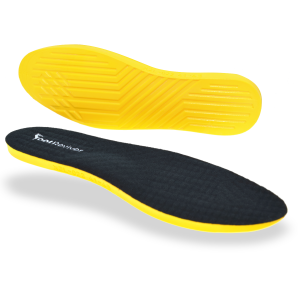
FootReviver™ Pronation insoles for Overpronation
Are you tired of the constant pain and discomfort that comes with overpronation? Do you crave a solution that’s both effective and comfortable? Look no further! Our orthotic insoles for overpronation are the perfect blend of medical grade materials, expert design, and years of experience in foot care and biomechanics.
Why Choose Our Insoles? We know how debilitating overpronation and other biomechanical imbalances can be. They don’t just affect your feet, they can cause pain and injury in your knees, legs, hips, and back. But why should you choose our insoles over others? Well, unlike ordinary insoles, ours are the result of extensive research and development, years of expertise, and rigorous testing.
- 1x FootReviver Pronation insoles for correcting Overpronation
- For both Men & Women
- Available in the following shoe sizes (XS: (EU 32-34) (UK: 1-2), Small (35-37) (2 – 3), Medium (38-40) (4-6), Large (41-43) (7-8.5), Extra Large (9-11)
- Recommended by Podiatrists to help treat and prevent a wide range of foot and lower limb injuries such as Plantar Fasciitis, Morton’s Neuroma, Metatarsalgia, Heel Spurs, Bunions, Foot Fatigue, Shin Splints, Achilles Tendinitis, Jumpers Knee, Runners Knee as well as hip and lower back pain
- Helps to correct your gait by titling your feet and stopping your foot from rolling inward to prevent overpronation and ease abnormal load off your feet
£10.99 -
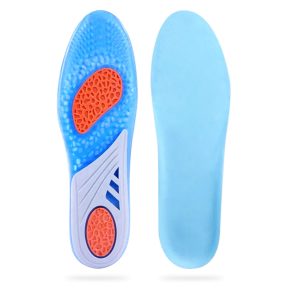
Gel Shock Absorbing Insoles for Trainers & Running shoes
- Who these insoles are for
FootReviver Gel Shock Absorbing Insoles for Trainers & Running shoes are aimed at adults who run, play sport or spend long hours on hard floors and are starting to notice familiar problems – for example:- sharp or bruised pain under the heel,
- burning or “stone under the foot” pain under the ball of the foot,
- arches that feel tired or as if they are “giving up” towards the end of a run or long day,
- shins, knees, hips or lower back that feel more sore or jarred after impact‑heavy days than you would expect.
- How this FootReviver insole is built
This FootReviver design uses a specific combination of parts to deal with that mix of impact and foot movement:- a full‑length gel layer to cushion the whole sole from heel to toe, rather than just small gel pods under the heel,
- separate pads under the heel and ball of the foot, positioned under the areas that most often become sore in runners and in people on their feet a lot,
- a three‑quarter length firm base under the heel and arch to steady the rearfoot without making the front of the foot feel stiff,
- a moderate arch contour that supports low, neutral and higher arches within a comfortable amount of movement,
- a shaped heel cup to help the heel sit more centrally in the shoe, reducing extreme inward or outward tipping,
- a breathable, slim top layer so they fit into most trainers and many roomier work or casual shoes without feeling bulky.
Clinicians who work with runners and people on their feet all day helped shape this design. Within the FootReviver range, it is a commonly used model when impact and general foot fatigue are the main concerns.
- What you may notice when you use them
Once you have fitted them into your trainers or sports shoes and built up wear time gradually, you may notice several changes:- heel landings in shoes feel less like landing on a bruise and more like a cushioned contact,
- the “hot spot” under one or two forefoot joints feels less intense and slower to build,
- arches feel better supported through runs and long days, with less tired pulling under the foot,
- the heel rolls in or out less extremely, so there is less twisting strain on the shin and knee,
- similar runs and long days on hard floors leave your knees, hips and lower back feeling less jarred than they used to.
Put simply, this FootReviver insole is built to soften landings and steady the heel and arch inside your trainers, tackling the mix of impact and movement that often leads to common heel, forefoot, arch, shin and knee aches.
- When this FootReviver insole is especially useful
This design is particularly relevant if:- you have heel pain that is sharp when you first put weight through it and still flares when you start walking in shoes or after runs,
- you feel burning or “pebble‑like” pain under one or two forefoot joints (often described as metatarsalgia or Morton‑type problems),
- your arches ache or feel tired towards the end of training blocks or long shifts on firm floors,
- you struggle with shin splints, impact‑linked knee pain, or a sense that your hips and lower back are being jarred by firm surfaces.
If you recognise several of these problems and feel your current insoles are very thin and offer little support, this FootReviver model is a more substantial option to consider.
- Practical fit and safety points
- Available in two size ranges (UK 3–9 and 9–12) that you can trim to match your existing insole; slim enough for most trainers and many roomier work or casual shoes.
- Best introduced gradually so your feet and lower legs can adjust – start with shorter wear periods and build up step by step.
- If you have been advised that you need strong correction for very flat or very high arches, one of the firmer FootReviver orthotic models may suit you better.
- If you have diabetes with a history of ulcers, a lot of numbness in your feet, recent major surgery or fractures, or significant foot deformity, speak to a GP, physiotherapist or podiatrist before relying on any new insoles.
- Seek prompt medical assessment if you notice warning signs such as sudden severe pain after an injury, obvious deformity, large or quickly increasing swelling, new numbness or weakness, or new ulcers.
The aim here is not to alarm you, but to make sure you know when to get things checked rather than trying to manage everything with insoles alone.
- 30‑day FootReviver guarantee
These insoles come with a 30‑day money‑back guarantee from the time you receive them. The guarantee is there so you can:- fit them properly in your trainers or sports shoes,
- build up wear time gradually,
- and judge whether this FootReviver design makes your usual runs, walks and long days on your feet feel easier to manage.
If they do not feel right for you and they are still in similar, untrimmed condition, you can return them within this period. Most people would like a quick fix; while no insole can promise that, this guarantee gives you time to see whether this level of cushioning and support suits you. If you are unsure what to expect, it is perfectly reasonable to ask a clinician who knows your history for their view.
£9.99£12.99 - Who these insoles are for
-
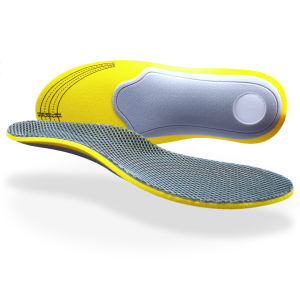
FootReviver™ Orthotic Plantar Fasciitis Insoles
- Designed specifically for plantar fasciitis heel and arch pain: Sharp first‑step pain in the morning, aching after time on your feet, or soreness along the arch that keeps coming back.
- Targets the real source of the problem – how your foot is loaded: Supports the band under your foot (plantar fascia), steadies the heel, and helps stop the arch dropping and rolling in more than it can comfortably cope with.
- Firm 3/4‑length support where you need it, not a hard block under your whole foot: A structured base under the heel and arch holds its shape to support you, while the front of the insole stays softer and more flexible for natural push‑off.
- Deep heel cup with cushioning to calm sore heels in shoes: Cradles the heel, holds the fat pad under the heel bone, and spreads impact away from the tender spot where the plantar fascia attaches.
- Shaped arch support with gentle control of extra inward roll: Meets the arch earlier in the step so it cannot collapse as far, and reduces extra rolling‑in that repeatedly tugs on the fascia at the heel.
- Full‑length cushioned top layer to protect the forefoot as well as the heel: Runs from heel to toes, gradually shaping to your foot to share pressure under the ball of the foot and give space for wider or splayed toes.
- Helps on hard floors, long periods of standing or walking, and higher‑impact days: Combines firm rearfoot support with cushioning under heel and forefoot to make standing, walking, and even light running or sport more manageable.
- Trim‑to‑fit design for most closed‑back shoes: Cut to size at the front, drop into your usual shoes, and the anti‑slip base helps keep them in place under your heel and arch.
- Normal to feel them at first – then expect steadier, more comfortable steps: Start with a few hours a day and build up. A mild awareness under the arch and heel is common at first; as your feet adjust, many people find standing and walking become easier and less painful.
- One practical part of managing plantar fasciitis – clear support, not a magic cure: Works best alongside sensible changes in time on your feet and any exercises or advice from your GP, physiotherapist, or podiatrist.
£9.99