Achilles Tendonitis
Achilles Tendon Pain: What It Feels Like and How It Affects You
Achilles tendonitis can make simple things like walking any distance or standing for a while feel much harder than they should. Pain, swelling, and stiffness around the back of the heel or lower leg can easily get in the way of everyday life and may leave you feeling cautious about how much you move or how far you go.
Many people notice similar experiences, such as a pulling or aching feeling at the back of the heel or a few centimetres above it, especially with the first few steps after sitting or sleeping, a sharper pain when you push off more strongly, and a deep, tired ache that builds if you stand or walk for a long time. This pain usually comes from the thick cord at the back of the ankle, rather than from inside the ankle joint itself. When that cord – the Achilles tendon – is repeatedly put under more pull and impact than it can comfortably manage, it can become irritated and sore. Our products are designed to help ease some of that strain and give the area steadier support.
What’s Going On in the Tendon Itself
The Achilles tendon is the strong cord that links your calf muscles to your heel bone. When the calf muscles tighten, the tendon pulls on the heel to point your foot down, helping you push off the ground when you walk or run. It also helps control how your heel lowers back down after each step.
In a healthy tendon, the tissue is strong and arranged in an organised way, and copes well with the usual loads of walking and running. With Achilles tendonitis, the tendon has been put under extra load, either building up over time or after a sudden change in what you do. Small areas of the tendon can be strained and become less tolerant of being stretched and pulled. The body may respond with some swelling or local thickening. That section of the tendon can then feel stiffer and more sensitive when it is put under tension.
Over time, this can show up as pain when the tendon is loaded, such as when you push off to walk or climb stairs, stiffness after rest as the tendon and its surrounding tissues move again after being still, and a sense of weakness or hesitation when you try to stand on tiptoe, because you are understandably trying not to provoke pain.
How Achilles Tendon Pain Usually Comes and Goes
People with Achilles tendon problems often notice that their symptoms behave in familiar ways rather than changing for no clear reason. Stiffness and aching along the tendon when you first get up often ease a little as you walk about and blood flow increases. Pain may come on or worsen when you do more than usual, such as a longer walk or a run, then settle slowly over the next day or so. There may be tenderness if you press along the tendon or around where it joins the heel bone.
Some people notice a grating or crackling feeling when the tendon moves, as irritated tissue and nearby structures slide against each other. This can feel odd or worrying, but it is a common feature in a sore tendon and does not by itself mean something is torn.
Where you feel it can vary. Some feel pain a few centimetres above the heel bone, where the tendon is narrower and under high pulling forces when you push off. Others feel it directly at the back of the heel where the tendon attaches to the bone. That small area can be irritated both by the tendon pulling on it and by being pressed against the heel bone or the back of a shoe.
Having a better sense of where your pain is, when it tends to ease or flare, and what brings it on can make it easier to choose support that suits your situation. Below are some of the ways Achilles problems commonly show up.
Common Reasons the Achilles Tendon Becomes Sore
The Achilles tendon is built to cope with high forces, but problems often start when the way it is loaded changes too quickly or in an unhelpful way. The examples above often come back to a few main causes.
One is changes in activity. If walking or running distance, speed, or hill work goes up quickly, the tendon has less time to adapt. Each step places more demand on the tendon fibres, and repeated extra strain can irritate the tissue. Foot posture and ankle movement also matter. If your feet roll in strongly, your arches are very flat, or your heels tilt inwards, the tendon can be twisted slightly with each step, so some parts take more strain than others.
The surface under your feet and your footwear are other common factors. Walking or running on very hard ground in shoes with thin or worn soles means more impact travels directly into the heel bone and up into the tendon. The area where the tendon attaches to the bone can become particularly sore. Calf muscle tightness or weakness can add to this. Tight calf muscles hold the tendon on more of a constant stretch, especially when the ankle bends upwards, such as when walking uphill. If the muscles are weak, the tendon may have to work harder to control movement, again increasing strain.
These kinds of issues can affect anyone, but they are especially common in people who are more active, adults roughly between 30 and 50, people carrying extra body weight, or those who move from being less active to doing sudden bursts of demanding activity. In these situations, the demands placed on the tendon can be high, while the tendon does not always keep up with the extra work. If this continues, irritation can become longer‑lasting and the tendon may be more likely to flare up again.
Why Changing How Your Foot and Ankle Take Load Can Help
There are many ways to help manage Achilles tendon pain, but most share a similar idea: change how much and what type of load the tendon has to deal with, and help it cope better with the demands of daily life.
In broad terms, treatment usually aims to:
- Calm things down in the short term, for example by easing back from the most painful activities for a while or using ice to help with pain and swelling.
- Build the tendon’s ability to cope over time through stretching and strengthening exercises that gradually train the calf muscles and tendon to handle force more comfortably.
- Change how forces move through the foot and ankle by using suitable footwear and orthotic devices, so each step places less pulling, twisting, and impact on the sore parts of the tendon.
Each of these steps helps in a different way. Reducing irritation gives the area a chance to settle so ordinary movements are less painful. Exercise and strengthening help the tendon become more tolerant over time. Changing how forces travel through the heel and tendon means that every step is a little kinder to the tendon in the first place.
Every time you stand, walk, or run, force travels from the ground through your heel and up into the tendon. If the heel drops very low, rolls in strongly, or hits the ground very hard, the tendon has to cope with more stretch, twist, and impact. By changing how your heel sits, how your arch is supported, and how your ankle moves, you can reduce some of this repeated strain. Our insoles, heel‑related supports, and ankle braces mainly sit in this “change how the forces move” part of the plan. They are usually used alongside exercises and gradual, sensible changes to activity levels.
How Our Insoles and Supports Help Your Achilles
FootReviver offers a range of products to help ease some of the strain that contributes to Achilles tendonitis. The range includes orthotic insoles, heel‑related supports, and ankle braces. Our insoles and heel supports mainly work on the way your heel and arch sit and how well they are cushioned. Our ankle braces mainly work on how your ankle moves and how supported it feels.
These designs have been developed with close attention to how forces pass through the heel and tendon in everyday walking and running, and with input from clinicians experienced in managing foot and ankle problems.
Our Insoles and Heel Lifts: What They Do for Your Heel and Tendon
Our orthotic insoles are shaped to support the arch of the foot and cradle the heel. Many include a deeper heel cup with firmer side walls to hold the heel more securely. When the arch is supported and the heel is held more steadily, the foot is less likely to roll in strongly and the heel bone is guided into a more centred position under the leg. This can reduce twisting along the length of the Achilles tendon when you push off, which is particularly relevant if your feet tend to roll inwards.
Many of our insoles and heel‑related supports also include cushioned heel zones or a gentle lift under the heel. A small lift reduces how far the ankle bends upwards when the heel is on the ground. This means the Achilles tendon is not stretched to its full length on every step, which can be especially helpful if pain is felt where the tendon joins the heel bone or if tight calves make bending the ankle upwards uncomfortable. Layered materials under and around the heel help to spread impact over a broader area, so force is not concentrated on one sore spot. This can ease discomfort when the heel meets hard surfaces, such as firm floors, and may lessen irritation at the tendon’s attachment.
By supporting the arch, keeping the heel more stable, and reducing both sharp impact and excessive stretch, our insoles and heel supports are there to help make standing and walking feel more manageable, particularly during the first steps after rest and on longer days on your feet.
Our Ankle Supports: How They Steady the Ankle and Tendon
Our ankle braces and supports sit around the ankle and lower leg, providing both gentle compression and guidance to movement. They are cut to cover the ankle and lower tendon region, in a way that aims to mirror the support often given by taping, while remaining slim enough to fit inside many everyday shoes.
They can help by reducing excessive inward or outward roll at the ankle, offering side‑to‑side support to limit extremes that twist or pull the tendon unevenly, and applying gentle, even pressure around the tendon area. This can help reduce a sense of fullness and may assist fluid moving away from irritated tissues.
When the ankle feels more secure, it is often easier to walk with a smoother stride and less of a limp. A more even walking pattern can in turn mean fewer sudden extra pulls on the tendon. You may notice these benefits most during activities that challenge balance and control, such as walking on uneven ground, changing direction, or spending longer periods on your feet, including running and other sports.
When It Makes Sense to Use Insoles and a Brace Together
On some days, you may expect more strain on the tendon, such as long walks, shifts with many hours on your feet, or hiking. On these higher‑demand days, some people find it helpful to combine our products:
- Wearing our insoles or heel lifts most of the day to alter baseline loading and improve heel and arch support.
- Adding an ankle brace for the busier periods to give extra control and reassurance around the ankle.
Not everyone will need to use more than one product at a time. The best approach will depend on where your pain is, how active you are, what feels comfortable, and what your clinician advises. If you are unsure, it can be helpful to discuss options with a physiotherapist, podiatrist, or other clinician who can look at your foot and ankle in person and advise which combination, if any, suits you.
Is Our Achilles Range Likely to Suit You?
This range is intended for adults who notice things such as:
- Pain, aching, or stiffness at the back of the heel or along the tendon that clearly links to standing, walking, running, or long periods on your feet.
- Tenderness when pressing over the tendon or around where it joins the heel bone.
- Discomfort when walking uphill, climbing stairs, or pushing off more forcefully.
Our products are made for adult feet and are not intended for use in children. Foot and tendon problems in children can behave differently and are best discussed with a clinician who can assess them directly.
The experiences described here are commonly seen in Achilles tendon problems, but similar symptoms can sometimes come from other causes, such as nearby joints, nerves, or other soft tissues. Only a healthcare professional who can examine you in person can make a firm diagnosis.
It is especially important to speak to a clinician before relying on insoles or supports alone if your pain began suddenly with a clear injury or a popping or snapping sensation at the back of the heel, you cannot comfortably push up onto your toes on the affected side, or there is obvious deformity, marked swelling, or marked redness and warmth around the tendon. These features can sometimes suggest more serious tendon damage and should be assessed promptly by a GP, physiotherapist, or other appropriate clinician.
How to Use Our Insoles and Supports in Daily Life
Using our insoles and ankle supports sensibly can help you get used to them more comfortably and get the most from them.
Getting Started with Insoles and Heel‑Related Support
When you first start using our orthotic insoles or heel‑related supports:
- Place them carefully in your footwear so that the heel sits securely in the heel cup and the arch support lies under your own arch, not too far forward or back.
- Use them in both shoes so that your legs are the same effective length and you avoid creating a new imbalance.
- Build up wear time gradually over several days, starting with shorter periods and increasing as your feet and legs adapt to the new support.
- Check that your shoes have enough depth and width so they do not become uncomfortably tight once the insoles are in place.
It is quite common to feel some mild muscle tiredness in the feet or calves at first. This often reflects your muscles working slightly differently as they adjust to the new support, and usually eases over several days as your body adapts. If pain becomes sharply worse, spreads to new areas, or does not settle when you reduce wear time, it is a good idea to pause and seek guidance from a GP, physiotherapist, or podiatrist.
Using Our Ankle Supports Safely
When using our ankle braces or supports:
- Fit them so they feel comfortably snug and supportive, but not so tight that they cause pain, pins and needles, or changes in skin colour.
- Use them at times when your tendon is under more load, such as longer walks, busier periods on your feet, or activities that usually bring symptoms on, rather than wearing them continuously in every situation.
- Remove them at night unless a clinician has specifically advised otherwise, so that skin can breathe and circulation is not restricted.
- Check the skin under the support regularly. Light marks that fade quickly are common, but persistent redness, broken skin, or significant irritation are reasons to stop using the support and discuss things with a health professional.
If you have a condition that affects circulation or sensation in your feet or lower legs, such as diabetes, problems with blood vessels, or certain nerve conditions, it is especially important to speak to a clinician before starting to use compression supports or insoles.
What to Expect Over the Next Few Weeks and Months
Treating Achilles tendonitis promptly is important, because long‑standing tendon irritation can lead to more persistent changes in the tissue. Even with good management, improvement is usually gradual rather than instant. It is normal to wonder whether things are improving quickly enough.
Tendon tissue tends to adapt more slowly than muscle, partly because of the way it is built and supplied with blood. Many people find that with consistent use of appropriate supports, alongside exercises and sensible changes to activity, they notice over weeks that first steps after rest feel less sharp or jarring, they can stand or walk for longer before discomfort builds, and flares after heavier activity are less intense or settle more quickly. Progress often involves better and worse days, which is a normal part of tendon recovery and does not mean things are going wrong.
Our insoles and supports usually work best when combined with an exercise programme that focuses on the calf muscles and tendon. These exercises often involve controlled loading, such as slow heel raises, which over time can help the tendon cope better with day‑to‑day forces. A physiotherapist can advise on exercises that are suitable for you and how to balance exercise with rest and everyday activity.
Why Our Achilles Range Is Built This Way
FootReviver offers a range of products that are built around ideas commonly used in managing Achilles and heel‑related problems. Our orthotic insoles are shaped to support the arch and cradle the heel, using materials that provide both cushioning and a firm enough base. This is intended to keep the heel better aligned under the leg, reduce sharp impact under the heel, and spread pressure more evenly when you stand and walk, in the sorts of activities described above. Because many people with Achilles pain also have issues such as rolling‑in feet, our designs place particular emphasis on rearfoot and heel control.
Our ankle braces and supports are shaped to give targeted support and gentle compression around the ankle and lower tendon. They are designed to limit the more extreme movements that often aggravate an irritated tendon, while still allowing normal walking. Fastenings are set up to allow you to adjust how snug they feel without digging into the front of the ankle. These design choices reflect how forces usually move through the foot and ankle in people with Achilles tendon issues, with the aim of making day‑to‑day movement a little easier on the tendon.
Safety, Warning Signs, and When to Get Help
Our products are for adults and are intended to play a part in managing Achilles tendon pain and how the tendon is stressed. They do not replace a full assessment or personalised treatment plan where that is needed.
Stop using the product and seek prompt advice from a GP, physiotherapist, or other appropriate clinician if you notice:
- A sudden severe pain or snapping sensation at the back of the heel, especially if you then struggle to push off or stand on tiptoe.
- Rapidly increasing swelling, redness, or warmth around the tendon or heel.
- New numbness, tingling, or unusual coldness in the foot.
- Pain that steadily worsens over time despite reducing activity and using appropriate support.
If there are signs of a sudden injury, such as a snap with immediate difficulty walking, same‑day or urgent assessment is advisable. For discomfort that is gradually getting worse or not improving, arranging a routine appointment with a GP, physiotherapist, or podiatrist is usually appropriate.
People with conditions that affect circulation or sensation in the feet or lower legs should discuss the use of insoles or ankle supports with a healthcare professional before starting, as these conditions can change how your skin and circulation respond to pressure. Supports should not be used over broken skin or significant rashes without medical advice. If you are pregnant and considering using new supports, it is best to check with a clinician first, especially if you have swelling or circulation changes in your legs or feet.
The information here is general guidance. It does not provide a personal diagnosis, and it is not a substitute for medical advice, assessment, or treatment from a healthcare professional. No particular result or level of pain relief can be guaranteed, as responses vary between individuals. Our products are one part of managing symptoms and are usually most effective when combined with exercises, adjustments to activity, and professional input.
Summary and Next Steps
Achilles tendonitis often develops when the tendon linking the calf muscles to the heel bone is repeatedly loaded in ways it is not yet ready to handle. This can involve too much stretch, too much impact on the heel, or twisting as the foot rolls, leading to pain and stiffness at the back of the heel and lower leg.
By changing how the heel sits, how the arch is supported, and how the ankle moves, our insoles, heel supports, and ankle braces aim to reduce some of the pulling, twisting, and impact that keep the tendon irritated. Our insoles and heel‑related supports mainly act on stretch and impact at the heel and tendon, while our ankle braces focus more on guiding ankle movement and providing compression and stability around the tendon and ankle. This works alongside exercises and activity changes, which help the tendon cope better with the demands you place on it.
If what you have read here sounds similar to what you are living with, our supports may be worth considering as part of how you manage your symptoms. It usually works best to combine any product use with appropriate exercises and adjustments to your activity, and to talk with a GP, physiotherapist, or podiatrist if your symptoms are severe, changing quickly, or not improving over time, or if you are unsure which of our products are most suitable for you.
-

Height increasing insoles for shoes
- Adjustable height in your shoes – Slip these insoles into your trainers or boots. With five removable layers, you can choose your boost, from a subtle lift up to about 3.5 inches, perfect for daily comfort or a confidence bump for a special event.
- Discreet fit for everyday footwear – Designed for both men and women to work inside high-top sneakers and casual boots, so you get the height without needing bulky or obviously raised shoes.
- Hidden confidence boost – The lift is completely inside your shoe, helping you stand taller and feel more assured. No one will spot a chunky sole or raised heel.
- Step-friendly comfort – A gel-cushioned heel pad softens impact, which is great if you’re often on hard floors. It helps ease strain on sensitive spots like your heel or Achilles.
- Built for stability – A cupped heel and gentle arch support help keep your foot centered and stable, reducing that “rolling in” feeling you can get when your foot sits higher up.
- Designed for comfort, not just height – A smart choice if you manage occasional heel discomfort or have a mild leg length difference. It’s an adjustable, graded lift instead of a one-size-fits-all insert.
- Try them risk-free – Give them a go for 30 days. If they’re not right for you, just send them back for a full refund.
£16.99 -
Height Increasing Heel Lifts for Shoes
- 1 x pair of silicone gel heel lifts, designed to discreetly add extra height inside your shoes while helping to ease common heel and lower‑leg pain
- Developed so you can also use them, under guidance, to help with mild leg length differences and the strain this can cause around the hips, knees and lower back
- Medical‑grade silicone gel cushions the heel, helps absorb impact and spreads pressure so one small area under the heel is less likely to feel bruised or “jabbed” on hard floors
- Deep, contoured heel cup helps hold the heel more central in the shoe, supports the natural heel pad and limits excessive rolling in or out that can aggravate heel and ankle problems
- Stackable wedge layers let you adjust the height under your heel by up to about 1.5 inches inside the shoe, so you can start low and increase gradually to a level that feels comfortable and stable
- Often used alongside exercise and sensible activity changes to help manage issues such as under‑heel pain, soreness at the back of the heel linked with Achilles tendon‑related pain, tired heels from long standing, and discomfort related to mild leg length difference
- Slim design to suit most adult foot sizes and fit into many everyday shoes, trainers, boots and dress shoes, as long as there is enough depth and a firm heel area
- Textured, anti‑slip underside helps the lifts grip the insole so they stay in place as you walk, rather than sliding forwards or sideways inside the shoe
- Easy to clean with mild soap and water, so you can use them regularly and move them between pairs of shoes without them feeling stale or difficult to freshen up
- Includes a 30‑day money‑back guarantee, so you can see how your heels and legs respond without having to commit long‑term
£11.99£14.99 -

Plantar Fasciitis Night Splint
- Night‑time splint designed around plantar‑fasciitis‑type heel and arch pain, to make those first steps after rest feel more manageable.
- Holds your ankle close to a right angle and keeps the sole gently stretched while you sleep, so the plantar fascia and calf do not fully tighten overnight.
- Adjustable metal bar built into the front panel can be gently bent by hand to set the ankle angle; wide, strong hook‑and‑loop straps then hold your foot and lower leg securely in that position.
- Soft‑lined, breathable, slightly stretchy body with wide straps over padding, not bare skin, to reduce digging‑in and rubbing; open heel and open toes to avoid pressure under the heel and let air circulate.
- Universal adult sizing for men and women, with a shaped heel cradle designed to hold the heel steady without pressing hard into the sides.
- Provides gentle, even compression around the arch and ankle, helping to limit overnight swelling and give the foot a supported, “held” feeling while tissues recover.
- Primarily for plantar fasciitis and similar heel pain, and sometimes used on clinician advice alongside treatment for problems such as Achilles tendon pain, long‑standing heel spurs, forefoot overload, or mild ankle instability.
- Intended to be used together with sensible daytime steps – such as stretching, strengthening, supportive footwear, and, where appropriate, orthotic insoles from FootReviver™ – rather than as a stand‑alone cure.
£11.99 -

1x Pair of Compression Calf Support Braces For Shin Splints
- 1x Pair of Compression Calf Support Braces For Shin Splints
- For both Men & Women
- Universal size
- Recommended by Physiotherapists to help treat, ease and protect against a wide range of foot and lower leg injuries and conditions including Shin Splints, Achilles tendonitis, Poor circulation, Varicose Veins, Diabetes, Neuropathy, Oedema (swollen legs), or simply tired aching legs and feet
- Provides support and compression to your lower legs to help prevent excessive strain and pressure from causing injury to your calf muscles
- Ideal for wearing whilst exercising and running to help prevent muscle fatigue and allow you to train harder for longer
- Helps prevent the most common causes of shin splints by stabilizing and supporting your shins and calf muscles in the correct position whilst also absorbing shock and impacts to prevent wear and tear damage and pain
- Soothing compression helps increase blood flow to your calf muscles to help ease tired aching legs, reduce inflammation and swelling and boost the supply of oxygenated blood to your lower legs and feet to improve injury recovery
- Made from latex free skin friendly Neoprene material with antibacterial and moisture wicking properties to keep your legs dry and feeling comfortable and fresher for longer
- Includes a full 30 day money back guarantee!
£19.99 -
1x Pair Of Plantar Fasciitis Sleeve Braces
- 1x Pair of FootReviver™ Plantar Fasciitis Sleeve Braces designed to support your arches and ease foot and heel pain caused by Plantar Fasciitis
- For both Men & Women
- One size fits most
- Utilizes orthotic support technology to support and realign your feet helping to prevent biomechanical imbalances from damaging your feet
- Provides soothing compression to help speed up your recovery, reduce inflammation and swelling and ease aches and pain
- Allows your feet to make a faster and fuller recovery and prevent Plantar fasciitis from reoccurring
- Includes a full 30 day money back guarantee!
£16.99£19.99 -
FootReviver™ Foot Ankle Orthosis – Support Brace for Ankle Sprains, Strains, Achilles Tendonitis & Foot Drop
- Semi‑rigid ankle and rearfoot brace from FootReviver, offering much more control than a thin elastic support but without the weight and bulk of a rigid walking boot – designed for the stage when you can walk again, but the ankle still feels weak, wobbly or at risk of giving way.
- Multi‑splint frame with paired side bars and a rear splint up the Achilles region helps stop the ankle rolling in or out and limits sharp twisting, while still allowing enough up‑and‑down movement for walking, standing and everyday tasks.
- Detachable, shapeable front panel and three independently adjustable calf straps let you spread pressure comfortably across the front and sides of the lower leg, set how firmly the brace holds you, and adapt to mild changes in swelling through the day.
- Padded, supportive fabric and targeted cushioning around the ankle bones and back of the heel reduce rubbing and pressure in the areas physiotherapists and podiatrists most often see problems with other supports, so you can realistically wear this brace for longer spells.
- Wrap‑around design under the rearfoot and arch helps keep the heel closer to a straight‑ahead position when you load the foot, supporting stretched outer ankle ligaments after sprains and helping arthritic ankle and rearfoot joints avoid painful end positions.
- Suitable for adults in the rehabilitation stage after ankle sprains, fractures or surgery (when a clinician has cleared you to move more), and for longer‑term ankle instability, arthritis around the ankle/rearfoot, Achilles tendon problems and some milder cases of drop foot where extra stability, not active toe‑lift, is needed.
- Universal left/right fit and three sizes based on UK shoe size, with secure hook‑and‑loop straps, make it easier to achieve a firm but comfortable fit; returns and straightforward size exchanges within 30 days mean you can try it at home and change size if the first choice isn’t right.
- Designed by FootReviver using lower‑limb biomechanical experience and feedback from physiotherapists, podiatrists and orthotists about how ankles most often roll and where supports tend to rub, so the splint layout and padding zones are chosen to reflect real‑world use in clinic.
£14.99£19.99 -
Heel Support Braces
- 1x Pair of Heel Support Braces specially designed to provide extra support, stability, compression and protection to your heels
- For both Men & Women
- Available in sizes Small, Medium, Large & Extra Large
- Recommended for Plantar Fasciitis, Heel Spurs, Bursitis, Cuboid Syndrome, Achilles Tendonitis, Foot and Ankle Instabilities, Sprains, Strains, Arthritic Joint Pain, Gout and more!
- Fully adjustable Velcro strap wraps securely around your heels and ankles and allows you to quickly change the level of support and compression to suit your needs
- Targeted support helps ease strain and pressure off your heels & ankles to help prevents injury and pain
- Provides soothing compression that boosts blood flow to your feet to promote healing, reduce inflammation and swelling and ease pain
- Stabilizes and protects your heels by improving foot and ankle function to stop movement which may twist, sprain and strain your ankles and heels
- Made from moisture wicking breathable and lightweight Neoprene material to help keep your feet fresh, dry and comfortable whilst wearing the heel support braces
- Can be worn with or without shoes
- Prevents pressure points from developing underneath your heels and damaging them
- Ideal for sports, running or everyday use to help protect and support your ankles and heels from injury and wear and tear
- Includes a full 30 day money back guarantee!
£9.99£10.99 -

Gel Shock Absorbing Heel Cups
- 1x Pair of Gel Shock Absorbing Heel Cups designed to protect, support and ease your heels and ankles
- For both Men & Women
- One size fits all
- Can be quickly and easily fitted inside everyday shoes, trainers, high heels & boots
- Recommended for helping prevent, treat and ease a wide range of foot and lower limb injuries and conditions including Achilles Tendonitis, Plantar Fasciitis, Ankle Instability, Sprains & Strains, Cuboid Syndrome, Heel Spurs, Shin splints, Arthritis, Gout and more!
- Helps to support your heels and ankle in the correct position and prevents movement which can twist, sprain and damage your feet
- Made from medical grade silicone gel that absorbs shock and prevents pressure building up underneath your heels by spreading weight evenly across your heels
- Ideal for people who are on their feet for long periods of time standing on hard surfaces and suffer from tired, inflamed and painful feet
- Includes a full 30 day money back guarantee!
£7.99 -
FootReviver™ Ankle Foot Orthosis Support Brace
- 1x FootReviver™ Ankle Foot Orthosis Support Brace
- For both Men & Women
- Available in sizes Small, Medium & Large
- Small 3-5 (Approximate UK Shoe Size)
- Medium 5-8 (Approximate UK Shoe Size)
- Large 8-11 (Approximate UK Shoe Size)
- Fully adjustable straps wrap around your ankle and lower leg keeping the Ankle Foot Orthosis securely in place to prevent movement and rubbing and chaffing
- Recommended by Physiotherapists to prevent treat and ease Achilles Tendonitis, Ligament Tears, Ankle Fractures, Sprains and Strains, Foot drop, Arthritis, Gout, Plantar Fasciitis, Shin Splints, and more!
- Features 2 metal splints that support, immobilize and hold your foot, ankle and lower leg in a straight position helping to ease pressure and strain off your foot and ankle to give you improved protection and a better injury recovery
- Provides soothing compression to your foot and ankle to help increase the flow of oxygen rich blood to damaged tissue to promote healing, reduce inflammation and swelling and ease aches and pains
- Stabilizes and supports your foot to improve the way that your foot and ankle function to improve your foots mobility and prevent movement which could cause twist, sprain and strain your injured foot and cause further injury
- Made from lightweight, breathable and padded materials that make this brace comfortable to wear for long periods of time
- Can be worn with or without shoes
- Includes a full 30 day money back guarantee!
£12.99£15.99 -
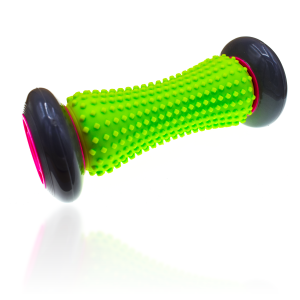
Foot Massage Roller
- 1x Foot Massage roller designed to massage and ease your feet and lower legs, help loosen tight muscles, soothe aches and pains and stimulate blood flow and the nerves in your feet
- Simple and easy to use – Simply place on a flat surface and roll your foot gently across the roller
- Helps ease Plantar Fasciitis pain in the mornings by releasing tension and loosening the Plantar fascia ligament
- Features specially designed reflexology nodes that helps to stimulate blood flow to your feet reduce inflammation and swelling and promote healing of damaged tissue
- Ideal for people suffering from Plantar Fasciitis, Metatarsalgia (ball of foot pain), Achilles tendonitis, Neuropathy, Diabetes, Muscles Spasms & Cramps, Shin splints or simply tired aching feet
- Can be used to help warm up the muscles in your feet and lower legs before exercise to prevent injury from pulling or overstretching your muscles
- Includes a full 30 day money back guarantee!
£9.99£12.99 -
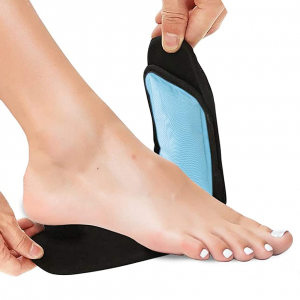
Foot & Ankle Ice Pack Wrap for Plantar fasciitis, Achilles Tendonitis & Ankle Sprains
- 1x Foot & Ankle Ice Pack Wrap for Plantar fasciitis, Achilles Tendonitis & Ankle Sprains
- For both Men & Women
- One size fits all
- Ideal for use during the P.R.I.C.E injury recovery protocol to help protect, ice, compress and support your foot to help speed up and improve injury recovery
- Recommended for helping to ease and treat a number of foot and ankle injuries and conditions including, Plantar Fasciitis, Achilles Tendonitis and Ankle Sprains, Metatarsalgia (ball of foot pain), Arthritis, Gout and more!
- Quickly heat the Foot & Ankle Ice Pack Wrap in a pan of boiling water for heat therapy or cool down in a fridge or freezer for cold therapy
- Specially formulated gel retains its temperature to provide long lasting and effective cooling cold therapy and soothing heat therapy to your foot and ankle
- Helps boost blood flow and supply fresh oxygenated blood to damaged tissue to promote the natural healing process
- Can be used to help ease pain and reduce inflammation and swelling after sustaining a foot injury
- Provides soothing compression and support to your foot and ankle to ease aches and pains and provide protection against further damage and injury
- Includes a full 30 day money back guarantee!
£8.99 -
FootReviver™ Ankle Support Splint Foot Brace
- 1x FootReviver™ Ankle Support Splint Foot Brace designed to ease foot, ankle and lower leg injuries and pain
- For both Men & Women
- Available in sizes Small, Medium & Large
- Features multiple fully adjustable straps that allow you to adjust the level of compression and the fitting of the brace quickly and easily
- Recommended for helping to prevent and speed up recovery of Achilles Tendonitis, Ligament Tears, Ankle Fractures, Sprains and Strains, Foot drop, Arthritis, Plantar Fasciitis, Shin Splints, and more!
- Ideal for use during the P.R.I.C.E injury recovery protocol to help protect, support and compress your ankle and foot to ease pain and speed up your injury recovery
- Features metal support splints that hold and immobilize your lower leg, ankle and foot in the correct position to prevent movement which could cause further damage and injury
- Provides soothing compression that helps stimulate blood flow to your foot to promote the healing of damaged tissue, reduce inflammation and swelling and ease aches and pain
- Made from breathable, skin friendly, moisture wicking materials with anti bacterial properties to keep your foot and leg dry, sweat free and feeling comfortable and fresher for longer
- Includes a full 30 day money back guarantee!
£14.99£19.99