FootReviver Gel Shock Absorbing Insoles for Trainers & Running Shoes
What our FootReviver insoles are designed to do
If you spend a lot of time in trainers or running shoes—whether you’re running, training, or doing any activity that really demands a lot from your feet—you know how hard surfaces, constant impact, or just not enough support can leave them aching.
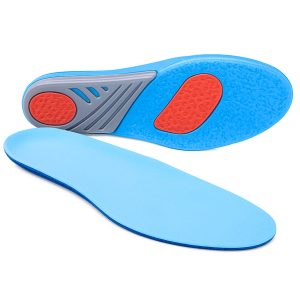
That’s exactly what our gel shock-absorbing insoles are here for. They combine a supportive, shaped base with full-length cushioning to take the jolt out of every step and help your feet feel more in control.
Think about it—every time your foot hits the ground, force travels upward through your feet and legs. If your heel strikes too hard, your arch collapses quickly, or the ball of your foot takes too much pressure, over time it can irritate the tissues in your feet. When that happens again and again—whether you’re walking all day or logging miles in training—discomfort can start to build.
FootReviver insoles are designed to soften each step, cradle your arch with gentle support, help keep your heel centered, and spread pressure more evenly under the front of your foot. For many of the everyday aches that come with lots of time in trainers, that small change can make being on your feet noticeably more comfortable.
We made FootReviver for anyone who lives in their trainers but finds that the original insoles are thin and don’t offer real support. Our goal is simple: give your feet a comfortable, supportive base inside the shoes you already wear—without forcing them into a stiff or unnatural position.
Full-Length Gel Cushioning
A continuous layer of cushioning gel runs from your heel all the way to your toes. Under your heel and the ball of your foot, specially shaped pads compress and then spring back with each step. This helps soften sharp impact on firm surfaces, eases that “landing on something hard” feeling inside your shoe, and spreads pressure more evenly across your sole.
When your heel or forefoot strikes the ground, the gel gives a little. Instead of your joints and bones taking one abrupt hit, part of the force is absorbed and then released over a slightly longer time. Over the course of a day or a training week, this can reduce the cumulative stress placed on sensitive joints and soft tissues, which is especially helpful if you already have sore spots under your heel or ball of your foot.
Supportive Arch Contour
The arch area is shaped to follow the natural curve of your foot more closely than a flat insole would, without being too high or rigid. This gives your arch a supportive surface to rest against, sharing some of the work between your foot’s own structures—like the plantar fascia—and the insole. It can reduce the feeling that your arch is sagging or over‑stretched by the end of the day.
When the arch lacks support, the plantar fascia and small muscles underneath may be overworked, especially in flatter feet or on hard ground. If support is too aggressive, the foot can feel cramped. Our arch contour is designed to sit between those extremes: it allows your arch to move and adapt naturally but provides support before it collapses fully. For many people with aching or tired arches, that extra support can make each step feel easier and better balanced.
The contour is formed by this supportive base. The cushioning gel on top makes that support feel comfortable, but it’s the underlying structure that provides the primary lift and guidance.
Heel Cup & Guided Rearfoot
Your heel is cradled in a supportive, contoured cup that helps keep it centered in the shoe. A firmer section under the heel and along the inner arch provides a steadier foundation than a very soft, flat insole. Together, these elements help make the heel less likely to tip sharply inward or outward, reduce how much sudden twist is transferred to the ankle and shin, and create a more predictable base for your leg.
When your heel lands and your arch moves, your shin naturally rotates slightly. If your heel tips quickly toward the shoe’s edge, that twist can be larger and more abrupt. By helping the heel sit and move nearer the middle of the shoe, and by supporting its inner side, our design helps smooth out those movements. This can reduce how often the muscles around your ankle, shin, and knee have to correct themselves, contributing to a steadier feel when walking, running, or changing direction.
Shaped Forefoot Pad & Gentle Metatarsal Support
Under the ball of your foot, a shaped pad backed by gel is there to reduce the sting of repeated push‑offs and to allow the front of your foot to spread a little under load. This can lessen the sense of a single sore point, reduce squeezing between the long forefoot bones (metatarsals), and improve comfort around the big toe joint.
As you roll forward, the gel molds to your foot. This provides a slight lift just behind the balls of your feet (the metatarsal heads), allowing the bones and toes to splay more naturally rather than being pressed together against a hard surface. For those with burning sensations or “stone‑under‑the‑foot” feelings, this combination of cushioning and gentle spreading can make each push‑off feel less harsh. The pad is shaped to cushion and spread pressure without feeling like a hard lump.
Structured Midfoot
Along the inner edge, the material is firmer through the arch and midfoot. This creates a steadier base through the middle of your foot than a very soft insole and can help limit excessive twisting between heel and forefoot inside the shoe. In practice, it means there’s supportive material under the midfoot, not just a gap.
For running or changing direction, that extra structure can help your foot feel more secure. It doesn’t lock your foot in place but reduces the sense that it’s bending or twisting too freely in the middle. This is often helpful if you feel your feet are working hard to keep you steady on firm or uneven ground.
Slim Build for Trainers
Our insoles are shaped to offer cushioning and support without taking up too much space. Their relatively slim build is intended to reduce the risk of crowding your toes or lifting your foot so high that the shoe feels unstable—something that can happen with very bulky insoles.
By keeping them trim while still providing support, this design allows many people to gain extra comfort without needing a larger shoe size. For those using trainers for activity, a slimmer insole that still absorbs shock can help preserve a secure fit while improving comfort.
Comfortable Top Surface for Longer Wear
Long days of walking, standing, or running can leave feet warm and damp. The top surface of our insoles is chosen to feel comfortable against socks and to be smoother and less abrasive than basic foam liners during these times.
While they don’t replace the need for good socks and footwear, a softer, low‑friction top can reduce the risk of rubbing and hot spots, helping your foot feel more settled. This is particularly relevant if you’re on your feet for many hours or go straight from all-day wear into activity.
Built to Keep Their Shape
Unlike insoles that rely on soft foam alone—which can pack down quickly—ours combine cushioning gel with a supportive base intended to hold its shape over time. The arch contour, heel cup, and forefoot pad are designed not to flatten out completely after the first few uses.
If you use them regularly, this helps them continue to soften impact, support the arch, and guide the heel. It also reduces the need to replace insoles frequently simply because they’ve compressed under pressure.
Trim-to-Fit Design
The insoles can be trimmed at the toe end to match your shoe’s shape. This allows them to lie flat and fit a range of trainers. For best results, they are usually used to replace very soft or worn original insoles.
A good fit matters, as folds or bunching can create new pressure points. Trimming the insole helps keep the cushioning and support where it’s useful—under the heel, arch, and ball of the foot—without introducing new discomfort. The slimmer build also makes it easier to move them between similar shoes without changing the fit.
All of this means you’re not just adding a soft layer. You’re adding continuous gel cushioning, arch support, heel guidance, and forefoot support in a single, thoughtful design.
Who Your FootReviver Insoles Are For
Our insoles are for anyone who spends significant time in trainers and recognizes one or more of the following:
- Sharp or aching pain under the heel, worse after rest or long walks/runs.
- Burning or “stone‑under‑the‑foot” sensations under the ball of the foot.
- Arches that ache or feel tired and over‑stretched by day’s end.
- General foot or lower‑leg fatigue after time on hard surfaces.
- Shin, knee, hip, or lower‑back discomfort that builds with activity and eases with rest.
- Ankles that feel less stable, especially on uneven ground.
If more than one of these symptoms sounds familiar, that’s common—the same strain can show up in different ways. FootReviver insoles are not a replacement for individual medical advice or for highly corrective devices if specifically recommended. For many people, they offer a practical way to make trainers feel softer and more supportive, so your feet and legs are better equipped for the activities you enjoy.
How this design may help with common running‑related pain
Heel pain consistent with plantar fascia and heel spur irritation
If you get a sharp, stabbing pain under the inner side of the heel with the first few steps in the morning or after sitting, that then eases into more of a bruised ache as you move, this is a very common pattern. Many people also notice that pressing into that inner corner of the heel brings on the soreness, and that it creeps back in during or after runs or long days on firm floors.
Our FootReviver insoles are built to make heel landings in trainers feel softer and to give the underside of the arch and heel more support once you are in shoes. The detailed plantar heel pain overview below explains what is usually happening in that area and how these changes can play a part in easing it.
Ball-of-foot and big toe joint pain
If you feel as though you are walking on a pebble under the front of your foot, or if a burning, hot spot builds just behind your toes the longer you are on your feet, that matches what many people describe as ball‑of‑foot pain. Some also have soreness around a prominent big toe joint (bunion), especially where it rubs in narrower shoes or when pushing off more firmly.
Our FootReviver insoles include a shaped pad under the ball of the foot and full‑length cushioning designed to soften pressure and help spread it across a wider area in trainers. The ball‑of‑foot and bunion overviews explain how the joints and nerves in this region behave and how this support can make walking and running more tolerable.
Arch ache and fatigue in flat or high arches
For some people, the main issue is not a single sharp spot but a tired, aching feeling through the arches that grows as the day or run goes on. You might feel as though the underside of the foot has been over‑stretched or that the arches are working harder than they should, even if your first few steps of the day are fine. This can be true whether your arches look quite low on the ground or high and hollow.
The arch contour and cushioning in our FootReviver insoles are designed to give the underside of the foot something more supportive to rest on in trainers and to take some of the sting out of repeated small impacts. The overviews on flatter feet, higher‑arched feet and tired, achy feet describe these situations in more detail and show how using insoles like these can fit in.
Shin splints and lower-leg overload
If you develop a band of ache or sharper pain along the inner border of the shin when you run, especially early in a session or when you increase distance, and that strip is sore to press, you may recognise what many people call shin splints. Often it eases slightly as you warm up, only to return later in the run or afterwards.
By softening landings in trainers and smoothing how the foot rolls after contact, our insoles aim to make what the shin has to cope with on each step a little kinder. The shin splints overview explains what is usually happening along the shin and how this kind of in‑shoe support can help reduce some of the strain.
Knee pain related to foot strike and rolling patterns
Knee pain that worsens when you walk or run up or down slopes, when you go up and down stairs or on longer runs, especially around or behind the kneecap or along the inner or outer side of the joint, is sometimes linked to how the foot lands and rolls. Many people notice that this type of knee discomfort builds with distance or hills on firm surfaces and settles with rest.
Our FootReviver insoles soften impact in trainers and encourage the heel and arch to move within a more controlled range, which can change how force and twist reach the knee from below. The running‑related knee pain overview below unpacks this link in more detail and explains where insoles like these are likely to help and where separate knee‑focused care is still needed.
Impact-related hip and lower-back ache
Hips and lower backs that feel jarred, tired or stiff after long spells on hard floors or after runs often reflect the body having to absorb a lot of repeated impact and make many small balance adjustments. People often say that on days with more walking or running on firm ground, their hips or back feel disproportionately tired by the evening.
The gel cushioning and guidance under the heel and arch in our FootReviver insoles are designed to reduce how harsh each footfall feels in trainers and to cut down on unnecessary side‑to‑side movements. The hip and lower‑back overview looks more closely at how force travels up from the feet and how this kind of in‑shoe support can fit alongside other steps you might take.
Other problems you might recognise in your feet and ankles
Some people also notice that their ankle feels unsteady, especially on uneven ground; that they have been told they have a bit of “wear and tear” in the foot or ankle that aches more after walking or standing on hard surfaces; that their feet simply feel tired and achy by the end of most days; or that a prominent big toe joint (bunion) is sore when they push off in narrower or stiffer shoes.
The detailed overviews for ankle unsteadiness, mild foot and ankle wear‑and‑tear, general tired feet and bunion discomfort describe what is usually happening in those situations and how cushioning and support under the foot – such as our FootReviver insoles in trainers – can be one part of managing them. If you recognise yourself in any of these descriptions and want to understand more clearly what may be driving your symptoms and how this type of insole can help, the condition‑specific sections below go through each one step by step.
More Detail On Specific Foot And Leg Problems
Plantar heel pain and plantar fascia irritation in runners
The classic ‘first-step’ heel pain pattern
Many people who run or spend long hours on their feet notice a similar heel problem. There is often a sharp, stabbing pain under the inner side of the heel with the first few steps after getting out of bed or standing up from a chair. As you move around, that sharpness may ease into more of a bruised or pulling ache, but it tends to creep back in again during runs or towards the end of a long day on hard floors. Pressing into the inner corner of the heel or just in front of it on the sole usually brings on the soreness quite clearly.
That “first‑step” picture – very sharp at the start, easier once you are moving, then flaring again after you have done more – is typical of irritation around the band under the arch and where it joins into the heel. It is understandable if that makes you cautious about getting moving in the morning or less keen to walk or run as far as you would like.
What is happening under the heel and arch
Under the sole of the foot is a strong band of tissue called the plantar fascia. It helps support the arch and links the heel to the front of the foot. When you stand or run, the arch flattens slightly and this band stretches to share the load, then recoils as you push off. Where the fascia anchors into the inner side of the heel bone is a busy spot. It has to cope with repeated pulling from the arch and with the effect of heel impact at the same time.
If your arch drops further than that band is comfortable with each time you put weight through it, that attachment on the heel is being pulled again and again. If your heel hits the ground hard, especially on firm surfaces or in worn‑down trainers, the soft tissue just under and around that attachment is also being jolted. If your heel tends to roll inwards after you land, the inner part of the plantar fascia and its attachment are twisted and stretched even more. Over many steps, this combination of pull, impact and twist can leave the area tender and easily irritated.
When you then rest, the irritated tissue can stiffen. The first few steps after a rest suddenly stretch and load it again, which is why those steps feel particularly sharp. As you warm up, it often settles a little, only to be brought back again if you do a lot more walking or running on firm ground. Once you realise that both repeated pull from the arch and repeated impact from the heel strike are acting on the same small area, it is easier to see why easing both can help that area settle.
How our FootReviver insoles may help this type of heel pain
Our FootReviver insoles cannot diagnose heel pain or replace individual treatment, but they are built to change several of the mechanical factors that commonly drive this pattern when you are in trainers or similar shoes.
The full‑length gel layer and shaped heel pad sit between your heel and the firm base of the shoe. When you land, they compress so that your heel does not drop straight onto a hard surface. The force of each step is spread out in time and over a wider area under the heel. For a tender inner heel and plantar fascia attachment, that tends to feel less like stepping on a bruise and more like placing the heel down onto a cushioned base.
The arch contour gives the inner side of the foot a ledge to rest on. The plantar fascia can then work in a more comfortable amount of movement instead of being pulled close to its limit with each step. That can reduce the pulling sensations along the underside of the foot and the strain at the heel attachment once you are in shoes.
The heel cup and firmer material along the inner border of the heel help to keep the heel nearer the middle of the shoe rather than tipping heavily inwards. That reduces twisting and over‑stretch on the inner part of the plantar fascia and its attachment into the heel. Because cushioning extends from heel to toe and the arch support is present throughout the step, the whole contact phase usually feels smoother and less jarring.
These changes do not remove the need to adjust training, footwear and exercises, but they can make standing, walking and running in trainers more manageable while those other elements are addressed.
Ball-of-foot pain, metatarsalgia and Morton-type nerve problems
The ‘stone under the foot’ feeling
Ball‑of‑foot pain usually has a very recognisable feel. Many people describe a burning or hot sensation under the front of the foot, just behind the toes, that becomes more obvious the longer they are on their feet. Others notice a clear “standing on a stone” feeling under one or two joints, as if there is a small object stuck under the sole. When the small nerves between the long bones are involved, such as the interdigital nerves between the metatarsal heads, there can also be sharp, shooting pains or tingling into the toes, often between the third and fourth toes.
At first this pain may only appear after a certain distance or time. As things worsen, you might notice it earlier in a walk or run, or even during everyday standing on hard floors. The rest of the foot may feel fine while this one area under the ball takes most of your attention. Loosening your shoe or coming off your feet may ease it for a while, only for that same burning or “stone‑like” spot to return as soon as you load the area again.
What is happening in the forefoot
Just behind the toes are the heads of the long forefoot bones, the metatarsals. When you roll forwards over your foot and push off, these metatarsal heads and the soft tissues underneath them take much of your body weight. A thin, natural fat pad under this area helps cushion pressure, and the interdigital nerves run between the metatarsal heads to supply feeling to the toes.
Ball‑of‑foot pain often develops when one or two of these metatarsal heads are taking more than their share of force, or when the fat pad under them has thinned. Repeated pressure irritates the soft tissues beneath. If the metatarsals are squeezed together, the interdigital nerves between them can be pinched from the sides at the same time as they are pressed from above and below. That combination of local pressure and nerve pinching explains why the pain is usually very focused and why it can feel bruised under the joint and sharp or electric into the toes.
Shoe shape can add to the problem. Tight or narrow fronts can push the metatarsal heads closer together and pinch the nerves more strongly, while soles that are very thin or rigid can make each push‑off feel like pressing down onto a small, hard edge under the foot.
Why running and firm ground bring it out
Running and impact activities increase both how hard and how often the ball of the foot is loaded. You spend more time on the front of the foot and push off more forcefully, which concentrates pressure under the metatarsal heads. Faster running, hills and quick changes of direction all add extra force through the same small areas. On firm pavements, or in trainers where the forefoot cushioning has packed down, there is less help from the shoe in spreading that force out.
Foot shape plays a part as well. In a stiffer, higher‑arched foot, weight may move quickly from heel to forefoot, giving the midfoot little chance to take its share. In a very flexible, flatter foot, the forefoot may spread without much support, so that one ray (a metatarsal and its toe) collapses more and bears more pressure. In both situations, one or two metatarsal heads and the tissues around them are worked harder than the rest and can become sensitised.
How our FootReviver insoles may help with ball-of-foot pain
Our FootReviver insoles are not a replacement for assessment where there is marked deformity or long‑standing nerve problems, but they can change how pressure and squeezing are applied under the ball of the foot when you are in trainers or similar shoes.
The shaped forefoot pad, backed by the full‑length gel layer, sits underneath the metatarsal heads. As your weight moves forwards and you push off, the pad compresses and spreads slightly. This reduces the sharpness of the contact between the metatarsal heads and the firm base of the shoe. Instead of those joints being driven straight into a hard insole, some of the force is absorbed and shared through the pad and gel. For a painful “stone‑like” spot, that softer, more spreading contact on each step can make a clear difference.
Because the pad has some give, the metatarsal heads can move a little apart as you load them, rather than being forced together against a flat, unyielding surface. That extra room can ease some of the pinching on the interdigital nerves that run between the metatarsals, as well as reducing the direct pressure on the fat pad and ligaments under the most tender joint. The arch contour and guided heel position also influence how force arrives at the forefoot. When the heel is more central and the arch is supported, more of the ball of the foot can share the work of push‑off, so that one or two joints are less likely to be taking most of the strain.
You do not need to remember all these terms; the important point is that cushioning and gentle spreading under the ball of the foot can ease both joint pressure and nerve pinching. If you recognise this burning or “stone‑under‑the‑foot” feeling in your trainers, using our FootReviver insoles is a reasonable step to see whether this combination of cushioning, gentle spreading and improved load‑sharing makes walking and running more comfortable.
Big toe joint pain and bunion-related discomfort
When a bunion starts to limit what you do
A prominent big toe joint, often called a bunion, can cause its own pattern of discomfort. You may notice a sore, tender bump on the inner side of the big toe joint where it rubs against the inside of shoes, especially if they are narrower or stiffer at the front. There may be a deep ache or sharp pain under or just behind the big toe joint when you push off, and the area can look a little red or swollen after a long day.
Over time, the joint itself may feel as if it does not bend as freely as it used to. You might find that you avoid walking quickly, jogging or pushing off strongly because the first step or two feel stiff or painful through that joint. Some people notice that they naturally roll off more through the smaller toes to avoid the big toe, which can lead to new sore spots under the second or third toes.
How big toe joint drift changes push-off
The big toe joint (first metatarsophalangeal joint) connects the long first metatarsal bone to the first toe. In bunions, the joint gradually shifts so that the first metatarsal drifts inwards and the big toe angles towards the second toe. This creates a bony prominence on the inner side of the joint and can alter the way forces pass across the ball of the foot.
As the bump becomes more prominent, it has less space inside many shoes. The skin and soft tissues over the bunion can be rubbed and compressed by the shoe, causing soreness, redness and thickened skin. Inside the joint, the altered alignment and repeated loading can irritate joint surfaces and surrounding tissues, especially when you push off and the big toe needs to bend upwards.
If the big toe joint is painful or stiff, you may unconsciously avoid loading it fully, shifting pressure more towards the second and third toes. As described in the ball‑of‑foot overview, that can expose those areas to their own overload problems over time.
How our FootReviver insoles may ease bunion-related discomfort
Our FootReviver insoles will not straighten a bunion or reverse long‑standing joint changes, but they can help with how pressure and impact are applied around the big toe area when you are in trainers or similar footwear.
The forefoot pad and full‑length gel layer soften contact under the big toe joint and its neighbours as you roll forwards. When you push off, the pad compresses to take some of the sting out of pressure directly beneath the bunion and to share load across a broader area under the front of the foot. This can make each step feel less like pressing the sensitive joint directly into a hard surface.
The arch contour and guided heel position can also influence how strongly your weight is driven onto the inner side of the forefoot. By helping the heel stay more central and reducing extremes of inward roll, these insoles may reduce the tendency to load the bunion area as heavily with each step, allowing the rest of the forefoot to carry more of the work.
For bunion comfort, footwear and insoles usually need to work together. Shoes or trainers with a wider, deeper front allow space for the bunion and the insole without excessive side pressure. Very stiff or narrow uppers that pinch the joint from the side can undo much of the benefit of extra cushioning under the sole. If your bunion is very painful, the skin is breaking down, or the big toe is drifting so far that it overlaps the second toe, it is important to speak to a clinician for assessment and advice. Our FootReviver insoles are there to make everyday use of trainers more comfortable around the bunion, not to decide whether surgery is needed.
Flat feet, overpronation and arch strain in runners
Living with lower arches day to day
Lower or flatter arches are common and, on their own, are not always a problem. Many people simply notice that more of the inner edge of the foot is in contact with the ground when they stand, that their ankles seem to roll inwards, or that the inside edge of their trainers wears down more quickly than the outside. After longer runs or long shifts on hard surfaces, the inside of the arch and around the inner ankle may ache, and some people also notice a tight or dragging feeling along the inner shin. It is not unusual to be told during a shoe fitting that you “overpronate” and be left unsure what that really means. Not everyone with flatter feet has pain, but when pain is present this way of moving is often part of the story.
What ‘overpronation’ means for your foot and leg
When your foot lands, a small amount of inward heel roll and arch flattening is normal – this is part of how your body absorbs shock. Overpronation is simply the term used when that inward roll and drop happen more than your tissues are comfortable with. The heel tips further in, the arch comes closer to the floor, and the lower leg rotates inwards along with the foot.
This has two main consequences. First, the plantar fascia and the small muscles under the arch are being pulled further and more often than they are comfortable with on each step. Second, the tendons and muscles on the inner side of the ankle, including tibialis posterior, have to tighten more firmly to stop the arch rolling in further. Over the course of a day, or across many runs, that extra effort can show up as tired, achy arches, soreness around the inner ankle and, for some people, pain along the inner shin or on the inside of the knee.
Why running and long shifts test flatter feet
Running increases both how hard and how often the arch and ankle have to control this inward movement. Every landing asks the tissues under and around the arch to stretch and then spring back. On firm pavements, or in trainers where the midsole has become packed down, there is less help from the shoe in absorbing shock. Long periods of standing more or less still on hard floors can also be demanding for flatter feet because the arch tissues are being asked to hold you up without the natural variation that comes with moving around.
How our FootReviver insoles may support flatter, overpronating feet
Our FootReviver insoles are not as firm or high as some very corrective devices, but they are built to offer practical support and cushioning for many runners and active people whose feet roll in more than they would like.
The arch contour runs along the inner side of the foot and gives that side a clearer surface to rest on. As you put weight through the foot, the arch still flattens – which is normal – but not as far or as suddenly. The work the plantar fascia and intrinsic foot muscles have to do is spread more along their length instead of concentrating near the heel. This can reduce the pulling sensations in the arch and at the inner heel that many people with flatter feet recognise.
The firmer base under the inner heel acts like a small shelf. Together with the heel cup, it helps the heel land and stay nearer the middle of the shoe instead of tipping inwards as far as it would on a flat, very soft insole. That means the arch is not collapsing as deeply, and the muscles and tendons around the inner ankle do not need to fight as hard to keep the foot from rolling further in.
The full‑length gel cushioning then reduces how sharp each landing feels to these already strained structures. On firm surfaces, this often shows up as the feet and lower legs feeling less pounded by the end of a run or shift. The combination of guidance and cushioning does not change the basic shape of a flat foot or permanently raise the arch, but it can make that shape easier to live and run with in trainers.
High arches, supination and outer-foot overload
Feet that feel very firm on the ground
Some people with higher arches describe their feet as feeling hard or bony on the ground, as if there is not much natural give. You might notice that your footprint shows a narrow band of contact in the middle, that you tend to stand more on the outer border of the foot, or that the outer heel and little‑toe side of the forefoot get sore after runs or long walks. Trainers often show more wear on the outside edge of the sole, and you may feel that each step on firm ground is transmitted sharply through the feet and up the legs.
Ankles that are easier to roll outwards can go along with this picture. You may be wary on uneven surfaces or when turning quickly, because a slight misstep can send you over onto the outside of your foot. Even when you are not actually spraining the ankle, that sense of being close to the edge can leave your feet and lower legs feeling tense and tired by the end of the day. Not everyone with high arches has pain, but when pain does occur this stiff, outer‑loaded pattern is often involved.
A higher arch as a stiffer, outer-loaded lever
In a higher‑arched foot, less of the middle of the foot tends to contact the ground. The arch does not flatten as much when you put weight onto it, which means there is less natural “spring” built into each step. Instead of spreading and softening the load, the foot behaves more like a relatively rigid lever between heel and forefoot. When you combine that with a tendency for the heel to tip outwards, more of your body weight is carried along the outer edge of the foot.
That outer line – the outer heel and the little‑toe side of the ball of the foot – can then be exposed to relatively high pressures over smaller contact areas. Tissues on the outside of the ankle, including the lateral ligaments, are also nearer the point at which a small twist can become a sprain. Over many steps, particularly on firm ground, this can lead to soreness along the outer border of the foot, a sense of increased jarring in the shins and hips and a cautious feeling at the ankle.
How our FootReviver insoles may help a rigid, outward-rolling foot
Our FootReviver insoles are not designed to flatten a high arch. Their role is to give that type of foot more to rest on and to soften the feel of each step.
The full‑length gel layer and the shaped heel and forefoot pads introduce cushioning between your foot and the firm midsole of the shoe. When you land on your heel, the gel and heel pad compress and then spring back, reducing the harshness of impact that would otherwise travel straight through the heel bone and up the leg. When you roll forwards and push off, the forefoot pad compresses under the ball of the foot, easing the bruised sensation that can develop under the outer metatarsal heads.
The moderate arch contour and gel fill some of the space under the middle of the foot, without forcing the arch down. This brings more of the midfoot into gentle contact with the insole, so that your body weight is shared over a broader area instead of being carried almost entirely by the heel and a narrow band at the front. For many high‑arched feet, this extra contact can make steps feel less harsh and more controlled.
The heel cup and firmer base under the rearfoot also help keep the heel nearer the middle of the shoe. By supporting the inner side of the heel and arch, they make it less easy for the heel to tip far outwards with each landing. The foot still moves naturally, but spending less time at the extreme of its outward range can ease strain on the outer edge of the foot and ankle and may help you feel more secure underfoot. These insoles will not lower your arch; they simply give it more contact and cushioning when you are in trainers.
Tired, achy feet and legs at the end of the day
When your feet feel tired before the rest of you
Some people do not have one sharp, localised pain, but instead feel that their feet and lower legs have had enough before the day is over. You might notice that you start planning routes to avoid extra walking, or that you are particularly relieved when you can finally take your shoes off in the evening. The soles can feel heavy or sore, the arches feel as though they have been holding you up for hours, and the calves and shins can feel as if they have been under steady tension for most of the day.
This type of tiredness does not always come with obvious swelling or a clear spot you can press with a fingertip. Instead, there is a spreading ache or fatigue along the underside of the feet and sometimes a dull tiredness through the lower legs. It often builds gradually as the day goes on. Mornings may feel fine, but by late afternoon or evening every short walk to the shops or around the house can feel like more effort than it should.
How everyday standing and walking wear your feet down
Under your foot are small muscles that help lift and shape the arch, and the plantar fascia that runs from heel to toes to help hold everything together. Around the ankle and along the shin and calf are larger muscles that guide each step, stop you from tipping in or out too far and keep you balanced over a constantly changing base. On each step they all work together to control how the foot meets the ground and how your body weight passes over it.
On firm floors, or in footwear with very little cushioning or arch support, these tissues have to do more of the work themselves. The small muscles under the arch are repeatedly tensing and relaxing to keep it from collapsing too far. The calf and shin muscles are constantly correcting the position of the foot and ankle. If you spend long spells standing more or less still, they may be holding you up almost continuously, without the natural breaks that come with varied movement. Over hours, that can turn into a low‑grade fatigue rather than a sudden, sharp pain.
How our FootReviver insoles may help lighten the day’s workload
Our FootReviver insoles are not aimed at one single painful spot. In this situation, their job is to take on some of the shock‑absorbing and supporting role that the plantar fascia and the muscles in your feet and lower legs have been providing on their own, and to make each small, routine step a little less demanding.
The full‑length gel layer acts as a shock absorber under the entire sole. Each time your heel, midfoot or forefoot touches down, the gel and shaped pads compress slightly and then recover. That means the plantar fascia and the small muscles under the arch do not have to absorb as much of the jolt from a hard floor on their own. Over a working day or a day when you have been on your feet more than usual, saving a little effort on each step can add up to a clear difference in how your feet feel by the evening.
The arch contour provides a resting surface for the underside of the foot. Instead of the plantar fascia and intrinsic foot muscles having to hold everything up without support, they can share that role with the insole. The arch still moves, which is normal and healthy, but it does not sag as far towards the floor. This can reduce that sense of the arch having been over‑stretched or over‑worked by the time you take your shoes off.
The heel cup and firmer base under the rearfoot help the heel land more centrally and move within a more predictable range, so that the calf and shin muscles are not constantly making small, last‑second corrections to stop the foot tipping in or out further. Reducing the number of those minor “saves” your body has to make can lessen the background fatigue in the lower legs and make your feet and legs feel as though they are coping better by the end of the day.
Shin splints in running and impact sports
Pain that arrives early in the run
People often use the term “shin splints” to describe pain along the front or inner side of the lower leg during or after running. Typically there is a dull ache or sharper soreness along a strip of the inner shin, starting a few centimetres above the ankle and running upwards. Pain often appears early in a run, then may ease a little as you warm up, only to come back later in the run or afterwards. That strip of shin is usually sore to press. Running on firm surfaces and sudden increases in distance, speed or hill work tend to make things worse.
How shin muscles and bone take the strain
Along the front and inner side of the shin sit muscles that lift the front of the foot and help control how quickly the arch flattens and the heel rolls after landing. These muscles attach into the shin bone through their tendons and covering tissues. With each step, the muscles contract to guide the foot, and in doing so, pull on their attachments along the bone. At the same time, the shin bone itself bends slightly under load and feels the vibration of each impact.
If training loads rise quickly, or if you do a lot of running on firm ground, the bone and the soft tissues where these muscles attach can be repeatedly stressed without enough time between sessions to adapt. If the foot is landing hard and rolling further in or out than is comfortable, the muscles along the front and inner side of the shin have to contract more strongly and more often to slow that movement down. As they tire, they may not manage to guide the foot as smoothly, leading to heavier landings and greater strain on their attachments. Over many runs, this can leave the inner shin sore and easily irritated.
How our FootReviver insoles may help reduce shin strain
Our FootReviver insoles are intended to make what your shin has to cope with when your foot hits the ground a little kinder, by softening impact and reducing extreme foot movements that the shin has to control when you are in trainers or similar shoes.
Cushioning at the heel reduces how hard the heel hits the base of the shoe. Each landing is softened, so the vibration travelling up into the shin bone is less sharp. On firm surfaces, this can be a clear change in how hard each step feels through the lower leg.
Under the arch and heel, the contour and firmer base help the arch stay within a more controlled amount of movement and limit how far and how quickly the heel rolls in or out. That means the muscles along the inner shin do not have to fight as much against rapid arch collapse and marked heel roll. Over a run, that can reduce the repeated pulling on their attachment points and the sense that those muscles are being constantly overworked.
As a run goes on and muscles inevitably tire, the gel layer continues to soften each contact. Even if the muscles at the front of the shin are not lifting the foot as crisply, the foot is not slapping down onto a hard, uncompromising base. This blunts some of the extra jolts that would otherwise be taken up by bone and soft tissues when you are fatigued.
Running-related knee pain and foot mechanics
Knees that complain on hills, slopes and stairs
Running‑related knee pain often shows up around or behind the kneecap, or along the inner or outer edge of the joint. You might notice pain at the front of the knee when you walk or run up or down slopes, go up and down stairs or run longer distances. Some people feel soreness more on the inside or outside of the knee that builds as a run goes on and is worse later that day or the next morning. It may start as a mild nuisance that is easy to ignore, but can gradually become more limiting if the things that drive it are not addressed.
Many people notice that this kind of knee pain tends to build with distance, hills or speed on firm surfaces, and settle with rest. That link to how much loading the leg is taking usually means that the way the foot and leg are working together is part of the picture, even if the knee itself feels like the main problem.
How foot movement affects the knee
Each time your foot hits the ground, the way it lands and rolls influences how the shin bone (tibia) and thigh bone (femur) move relative to each other. When the heel lands and the arch flattens, the heel and shin rotate slightly. A small inward or outward turn is normal and helps with shock absorption. If the heel rolls in a long way and the arch collapses more than is comfortable, the shin turns inwards more. If the heel tips strongly outwards, the shin turns the other way.
The kneecap (patella) runs in a groove on the front of the thigh bone as you bend and straighten the knee. Extra twist coming from below can change the line the patella follows and where pressure is focused behind it. The same twisting can alter how load is shared between the inner (medial) and outer (lateral) parts of the main knee joint. At the same time, hard, poorly cushioned landings increase the impact the joint has to absorb with each step.
Over time, this mix of extra twist, uneven pressure and sharp impact can irritate structures around the knee, such as the cartilage behind the kneecap, the joint surfaces on the inner or outer side of the knee, and the soft tissues around the joint. That is why this kind of pain is often felt most clearly when you ask the knee to absorb more force, as when you walk or run on slopes, use stairs or reach the latter part of a run.
How our FootReviver insoles may help some running-related knee pain
Our FootReviver insoles cannot address every cause of knee pain, but they are built to change the way forces from the ground reach the shin and knee when you are in trainers or similar shoes.
The full‑length gel cushioning under the heel and forefoot softens each footfall, so the sharpness of the force coming up from the ground into the shin and knee is reduced. Many people notice this most clearly when running or walking on firm surfaces or when going downhill, where impact‑related knee pain often stands out.
The supportive base, heel cup and arch contour encourage the heel and arch to stay nearer the middle of their available movement. The heel is less likely to swing a long way in or out, and the arch is less likely to drop fully with each step. As a result, the shin is not being twisted as far with each landing and push‑off, and the kneecap can move more consistently in its groove. That can reduce strain on the cartilage and soft tissues behind the kneecap and around the joint that are sensitive to repeated twisting.
Cushioning from heel to toe also smooths the way your weight moves through the foot. Abrupt shifts in where the foot is bearing weight can jolt the knee; a more even transition from heel to midfoot to forefoot can make the joint feel less sore after longer runs. For knee pain that clearly links to running, slopes and firm surfaces, and where you know your feet roll in or out more than you would like, using our FootReviver insoles in your trainers is a reasonable step to see whether this combination of cushioning and guidance reduces how much strain your knees are under on runs.
Impact-related hip and lower-back ache
When hard ground shows up in your hips and back
Many runners and people who walk or stand a lot on firm surfaces describe a familiar problem: the feet might feel acceptable, but by the end of the day or after a longer run the hips and lower back feel stiff, jarred or simply worn out. This may not be a sharp, localised pain at first. Instead, there is a broad ache around the sides of the hips or across the belt line, and a sense that you move more carefully when you stand up and take your first few paces.
On quieter days, or when you spend more time on softer ground, you may barely notice these areas. On busier, harder‑surface days, they can dominate your attention by evening. You might find yourself cutting walks short or feeling that you need to rest before your back and hips feel comfortable again.
How force and balance travel up from the feet
Each step sends force from the ground up through your feet into your ankles, knees and hips and then into your pelvis and spine. On softer, more forgiving surfaces, some of that energy is absorbed before it ever reaches your hips and lower back. On firm pavements, concrete floors or other hard ground, more of that force continues upwards. Your hips and spine also have to keep you upright over feet that may be landing at slightly different angles or rolling in and out more than they need to.
The muscles around the hips and along the lower back act to guide the pelvis as you shift weight from one leg to the other and to counter small side‑to‑side and twisting movements introduced from below. When the feet are landing very firmly and are rolling more than they need to, those muscles may have to switch on more often and stay slightly tighter for longer to keep your trunk steady. Over a long run or a long day, that extra workload can build into the stiff, achy feeling many people describe at the end of the day.
How our FootReviver insoles may ease the load on hips and lower back
Our FootReviver insoles do not change the underlying structure of your hips or spine, but they can alter what those areas experience from the ground upwards when you are in trainers or similar shoes.
The full‑length gel layer and shaped heel and forefoot pads soften the initial contact between your feet and the firm midsole of the shoe. Each heel strike and forefoot loading become less abrupt. Over hundreds or thousands of steps, the difference between landing on a hard, uncompromising insole and landing on a cushioned, slightly forgiving surface can be noticeable in how much your hips and back feel jarred.
The heel cup and supportive base under the arch encourage your foot to move within a more predictable, middle part of its movement range. The heel is less likely to tip dramatically in or out, and the arch is less likely to collapse completely or hang with no support. This reduces the size and frequency of sudden side‑to‑side movements and twists that your hips and trunk have to correct. The muscles around your pelvis and lower spine can then spend more time guiding you forwards smoothly and less time reacting to small stumbles that never quite show on the outside.
Because both feet are cushioned and guided in the same way, the load is more evenly distributed between left and right. This can help reduce situations where one hip or one side of the lower back is doing more than its share simply because the foot on that side feels more sore or unstable to land on. A more even base can lead to more even work higher up. Foot mechanics are often only one part of hip and back problems, but they are a part you can influence inside your shoes.
Ankle 'giving way' and feeling unsteady on your feet
That constant worry your ankle might give way
For some, the bigger issue isn’t constant pain, but a persistent sense of instability in their ankle. You might feel it’s weak or loose, notice it wobble on uneven ground, and often feel you’re just one small misstep away from rolling it again.
Even if a past sprain seems healed, it can undermine your confidence in that joint. You might find yourself paying extra attention to every step on rough paths, slopes, or curbs, even though your ankle looks fine from the outside.
This feeling can persist even on flat ground. You might notice your ankle shifting around inside your shoe more than you’d like. By the end of a day on your feet, the muscles and tissues on the outside of the ankle can feel tired or sore from working overtime to keep you stable.
Over time, this can make you hesitant about activities you used to do without a second thought, leaving you feeling like your footing just isn’t as reliable as it should be. It’s also very common for one ankle to feel less trustworthy—and more prone to that ‘giving way’ sensation—especially if it’s the side you’ve sprained before.
The lasting effects of past sprains and loose-feeling joints
When you’ve had one or more ankle sprains, the ligaments and tissues that hold the joint together can become stretched or weakened. Even after healing, the ankle may not feel as “tight” or secure at its end range of motion as it once did. At the same time, your natural awareness of where the joint is in space—often called proprioception—can become a little less sharp.
Because of this, the smaller stabilizing muscles around your ankle and the muscles along your lower leg have to work harder. Their job is to constantly make tiny corrections to keep your foot stable and pointing forward, even on what looks like flat ground. They’re always adjusting.
On uneven surfaces, slopes, or during quick direction changes, these muscles have to react much faster and more strongly. If your heel tends to roll inward or outward easily, or if your arch isn’t well supported, it can make your entire rearfoot feel less steady every time your foot lands.
How FootReviver insoles provide more stable footing
Unlike a brace, our FootReviver insoles don’t lock your ankle in place. Instead, they create a stable, supportive base for your rearfoot, which many people find helpful for a steadier, more confident feel in trainers or similar footwear.
Here’s how they work to support you:
- The heel cup helps center your heel in the shoe, preventing it from drifting to one side.
- The firmer base under the heel and arch creates a more solid platform than a flat, worn-down insole. This helps keep your heel stable when it lands, so it’s less likely to tip inward or outward.
- The arch contour gives the inner side of your foot definite support, reducing the sensation that your heel might roll out from under you.
At the same time, the full-length gel and heel pad absorb the impact of each step. This cushioning can lessen the repetitive jolting feeling that often bothers previously injured ankles. With fewer sharp shocks, the surrounding muscles don’t have to tense up as much to guard the joint, which can lead to a more relaxed and confident feeling as you move.
If you often feel like you need to watch your every step, this combination of stability and cushioning is designed for your needs.
Mild 'wear-and-tear' aches in the foot and ankle
That ‘bit of wear and tear’ feeling in your foot or ankle
Some people notice a dull, deep ache in the foot or ankle that comes on after they have walked or stood more than usual. You might feel it across the middle of the foot, around the ankle joint, or in one particular area. It often eases when you sit down, then returns later in the day or after the next spell on your feet. Stiffness when you first stand up after sitting, or when you first start walking, is common. These aches may not stop you completely, but they can make you think twice about how far you go.
Over time, this can change what you choose to do. You might avoid longer routes on hard pavements, pick flatter paths rather than slopes, or stop a walk earlier than you would like because you know that extra distance will bring the ache on. It can be frustrating to feel that the rest of your body is ready for more activity but pain in one part of your foot or ankle is limiting what you can comfortably manage. You may also notice that some days are much better than others.
What ‘wear and tear’ usually means inside the joint
The phrase “wear and tear” is often used as a simple way to describe joints that have changed gradually with years of use. In these joints, the smooth cartilage that lines the ends of the bones can be a little thinner or less even. The joint lining (synovium) may become more easily irritated, and the bone just under the cartilage can become slightly more dense and knobbly around the edges.
These changes do not always cause constant pain by themselves, but they can make the joint less tolerant of repeated sharp impacts, such as heel strikes on hard pavements, or of force being concentrated on one small part of the joint surface instead of being shared out. In the foot and ankle, that often shows up when one part of the joint is taking more force than the rest. For example, if your arch is quite low and your foot rolls inwards more, the inner side of a midfoot or ankle joint may be carrying more of your body weight. If your arch is high and your foot is stiffer, a smaller contact area may be bearing more of the force with each step.
Why harder surfaces and prolonged activity can trigger discomfort
Joints with mild wear and tear often handle gentle, everyday movements without issue. The discomfort usually starts when there are too many repeated steps on hard, unyielding ground or extended periods of similar pressure. Activities like a long, brisk walk on pavement, standing in one place on a hard floor, or doing more than usual in shoes with thin or worn-down soles can all provoke or amplify this kind of ache.
In these scenarios, the areas of the joint where the cartilage is thinner or the bone underneath is more sensitive are subjected to the same type of force repeatedly. Without sufficient cushioning under the foot or proper support to help distribute the load across the joint, those specific spots can become sore and stiff. This is often when the familiar ache is noticed toward the end of the day or following a longer period of activity.
How our FootReviver insoles may make everyday loading easier on these joints
Our FootReviver insoles cannot undo wear‑and‑tear changes inside a joint, but they can influence how each step loads the foot and ankle from below when you are in trainers or similar shoes.
The full‑length gel layer and the shaped heel and forefoot pads place a more forgiving layer between the ground and your foot. Each time your heel, midfoot or forefoot comes down, part of the impact is absorbed by the gel before it reaches the joint surfaces and the bone underneath. Instead of the joint feeling as though it is being struck firmly on the same spot with every step, the force is softened and spread over a slightly longer time.
The arch contour and firmer base under the rearfoot help share load more evenly through the foot and ankle, rather than letting one edge of a joint be loaded repeatedly. In a flatter foot, this can reduce how much the inner side of a joint is pressed together. In a higher‑arched, more rigid foot, filling some of the space under the midfoot can widen the area over which your body weight is supported, so that a smaller part of the cartilage and underlying bone is not taking so much of the strain.
By combining cushioning with more even pressure distribution, our insoles aim to make walking and standing easier for joints that have become more sensitive to repeated loading. For many people, that means the aching comes on later, is less intense, or settles more quickly after similar amounts of activity.
How to fit and get used to our insoles
Trimming and positioning
The simplest way to achieve a good fit is to remove the existing insole from your shoe, place it on top of the FootReviver insole, and use it as a template to trim around the toe end. Once trimmed, the FootReviver insole should lie flat inside the shoe without curling or bunching. Your heel should rest fully in the heel cup, and the arch contour should sit roughly under the inner arch of your foot rather than under the toes or heel.
After trimming, check that there is still enough space for your toes to move and that the shoe does not feel uncomfortably tight. If it does, a different shoe or size may be needed to get the best from the insoles.
Building up use
If you are not used to arch support or this level of cushioning, it usually helps to build up gradually rather than going straight to full‑day wear. Many people start by using the insoles for shorter periods – for example, a few hours or a short walk – before moving on to full days, longer runs or longer shifts. This gives your feet, ankles and lower legs time to get used to the different way forces are being shared.
It is common to notice the arch contour and the heel cup at first, or to feel different muscles working. That usually settles as your feet get used to having more support. If you notice strong pain or a clear worsening of your symptoms when you start using the insoles, cut back the time you spend in them and speak to a health professional for advice.
Choosing suitable footwear
Our insoles usually work best in lace‑up trainers with a reasonably deep upper and a stable sole – for example, running trainers, walking trainers and many everyday lace‑up casual trainers. These shoes normally have enough room inside to take out the original insole and replace it with a FootReviver insole without the shoe feeling uncomfortably tight. Very shallow shoes, very narrow formal shoes, slip‑on pumps or sandals, and footwear with extremely soft, floppy soles are less suitable because they either do not have enough depth or do not give the insole a firm base to sit on. A trainer with a fairly firm midsole and a stable heel area gives the insole something solid to work against, which helps the arch contour, heel cup and forefoot pad support and guide the foot as intended. As a simple guide, if you cannot remove the existing insole in one piece or the shoe already feels tight across the top of your foot, it is unlikely to be a good match for a FootReviver insole.
Once trimmed, you can move your FootReviver insoles between similar trainers, as long as the fit is not too tight. Avoid using them in severely worn or misshapen shoes, as that can undermine the support they are trying to provide.
Where do FootReviver insoles fit into caring for your feet?
Simply put, they’re designed to help your feet and legs handle walking, running, and standing in trainers more easily and comfortably. They soften impact, support your arch, guide your heel, and spread pressure under the front of your foot. For a lot of the everyday aches that come from spending long hours on your feet, that change can make a real difference in how you feel.
It’s important to remember they aren’t a replacement for professional care when you need it. If you’re experiencing severe pain, swelling, numbness, or if your foot or leg is painful at rest or at night, please talk to a health professional. In those cases, FootReviver insoles might still be part of your overall plan, but they should work alongside specific advice and treatment, not instead of it.
Often, discomfort has more than one cause. Our insoles address the part that comes from impact and movement inside your shoe. Other factors—like muscle strength, joint flexibility, or how much you’re training—might also benefit from specific exercises or adjustments.
Some people feel more comfort right away; for others, it builds over several walks or runs as stressed tissues get a break. If the problems we’ve described sound familiar, and you spend a lot of time in trainers on hard surfaces, trying FootReviver insoles is a sensible way to see if this kind of cushioning and support makes being on your feet easier for you.


Reviews
There are no reviews yet.