
Shin Splints
Shin Splints:
Shin splints, medically known as Medial Tibial Stress Syndrome (MTSS), are a common problem among athletes and active individuals. This condition manifests as pain along the inner edge of the tibia (shinbone), often experienced during or after physical activity. The pain can range from mild discomfort to severe throbbing, making everyday activities challenging.
Prevalence and Susceptibility
Shin splints are prevalent, affecting approximately 10-20% of all runners and nearly 60% of military recruits, according to the British Journal of Sports Medicine. Those involved in high-impact sports like running, dancing, or basketball are particularly at risk. But it’s not limited to athletes—anyone engaging in new or intensified physical activity can develop shin splints.
Symptoms and Signs
Identifying shin splints early is crucial for effective treatment. Common symptoms include:
- Pain and Tenderness: Pain along the inner part of the lower leg. This pain may decrease once the activity stops.
- Swelling: Mild swelling in the lower leg.
- Weakness: Reduced strength in the shin area, making it difficult to maintain a normal gait.
Causes and Risk Factors
Understanding the causes of shin splints can help in prevention. Common causes include:
- Overuse: Repeated stress on the shinbone and the tissues around it, often due to running or jumping activities.
- Flat Feet: Individuals with flat feet or rigid arches are more prone to shin splints due to uneven distribution of stress.
- Improper Footwear: Wearing unsupportive shoes can aggravate the condition.
- Training Errors: Rapidly increasing the intensity or duration of physical activity without proper conditioning.
Importance of Treatment
Ignoring shin splints can lead to more severe complications such as stress fractures or chronic pain. Untreated shin splints can also cause the pain to spread to other parts of the leg, leading to prolonged recovery times. Therefore, timely and appropriate treatment is imperative to avoid further damage and ensure a swift return to activities.
Effective Treatment and Prevention Strategies
Managing shin splints involves a combination of rest, physical therapy, and preventive measures. Here are some proven strategies:
- Rest and Ice Therapy: Resting the affected leg and applying ice packs can reduce inflammation and pain.
- Gradual Training: Slowly increasing the intensity and duration of physical activity allows the body to adapt without undue stress.
- Proper Footwear: Wearing supportive shoes that provide adequate cushioning and arch support can mitigate the risk of shin splints.
- Orthotic Insoles: These insoles help in distributing pressure evenly across the foot, reducing strain on the shinbone.
- Supports and Braces: Utilizing shin splint supports or braces can provide compression and support to the lower leg, helping to alleviate pain and prevent further injury.
FootReviver’s Range of Footcare Products
At FootReviver, we understand the debilitating impact of shin splints. Our range of expertly designed orthotic insoles, supports, and braces are crafted using the highest quality medical-grade materials to provide optimal support and relief. Here’s why you should consider our products:
- Orthotic Insoles: Our insoles are meticulously engineered to offer superior arch support and cushioning. They help in evenly distributing pressure, thus alleviating stress on the shins. By improving foot alignment, they aid in reducing the strain on the lower leg muscles.
- Supports and Braces: FootReviver’s supports and braces provide targeted compression and stability to the shin area. This not only helps in pain relief but also accelerates the healing process by improving blood flow and reducing inflammation.
Why Choose FootReviver?
- Quality and Durability: Our products are made from premium medical-grade materials, ensuring longevity and effectiveness.
- Expert Design: Developed in consultation with healthcare professionals, our insoles and braces are designed to meet the highest standards of orthopedic care.
- Customer Satisfaction: Countless users have experienced significant relief and improved performance with our products. Our commitment to quality and customer satisfaction sets us apart.
In conclusion, shin splints are a common yet manageable condition. Early recognition and treatment are crucial to prevent further complications. FootReviver offers an array of specialized products designed to support and heal, making us a trusted choice for those suffering from shin splints. Browse our range below and take the first step towards a pain-free, active lifestyle.
-
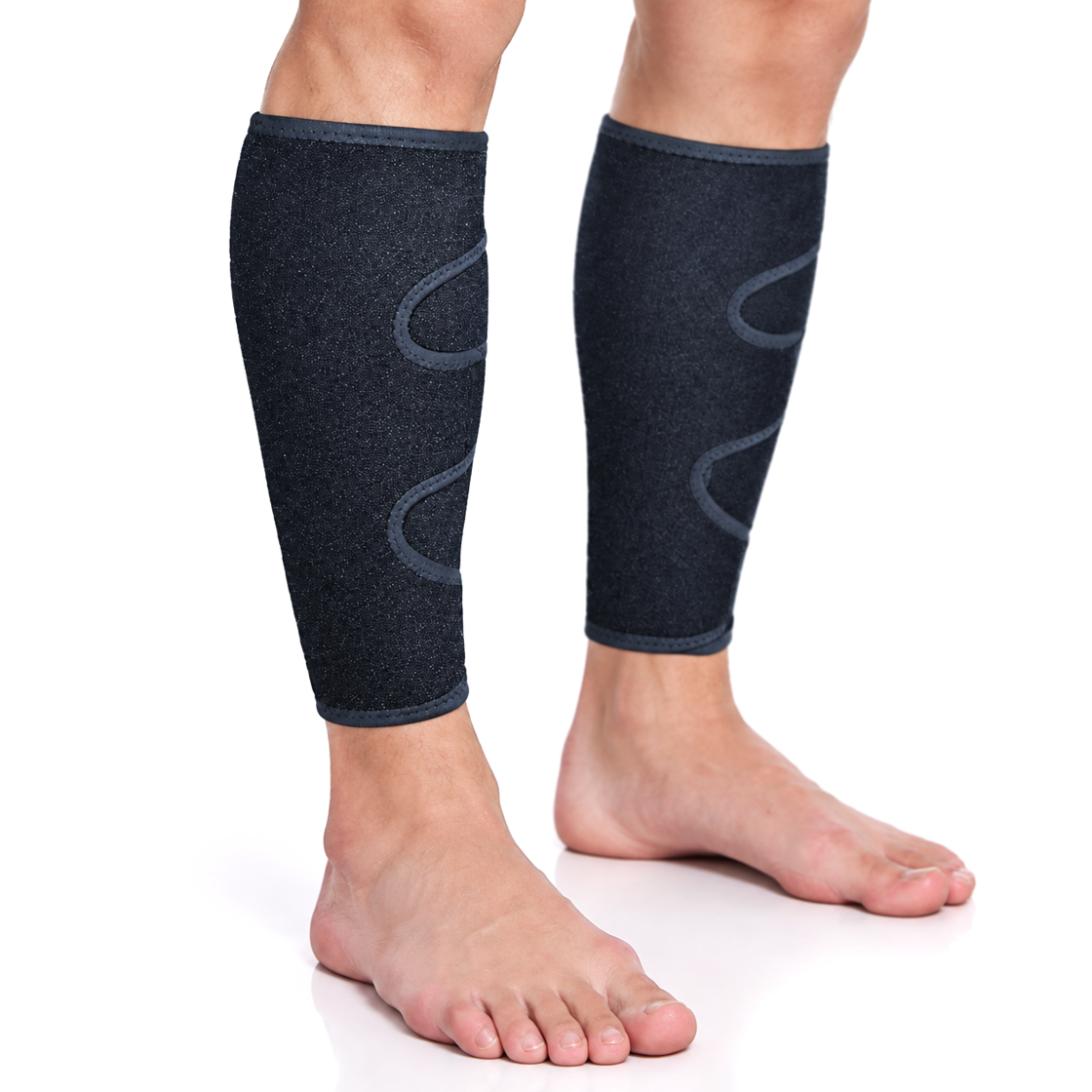
1x Pair of Compression Calf Support Braces For Shin Splints
- A pair of compression calf supports — one sleeve for each lower leg
- Made for both men and women, in a universal size adjusted by wrap-around straps
- Neoprene body that holds its shape and stays in place as you move
- Antibacterial, moisture-wicking fabric so sweat is drawn away from the skin
- Hook-and-loop straps that press onto the sleeve, so you set the tension in small steps yourself
- Supports the calf and the sore line along the inner shin during activity
- Compression that helps the calf pump move blood and fluid up the leg
- A layer of material that cushions the calf against some of the impact of each step
- Used to help ease shin splints, Achilles tendonitis, tired aching legs, varicose veins and oedema
- Also worn through long spells on your feet at work, when the legs feel heavy by evening
- Wear them for running, walking and long shifts, and adjust the straps whenever the tension feels wrong
- A support rather than a treatment, with no guaranteed outcome
- Ask a GP, physiotherapist or podiatrist first if you have diabetes, neuropathy, poor circulation, varicose veins or oedema
- Does not treat or prevent blood clots, and should not be relied on for that
£19.99 -
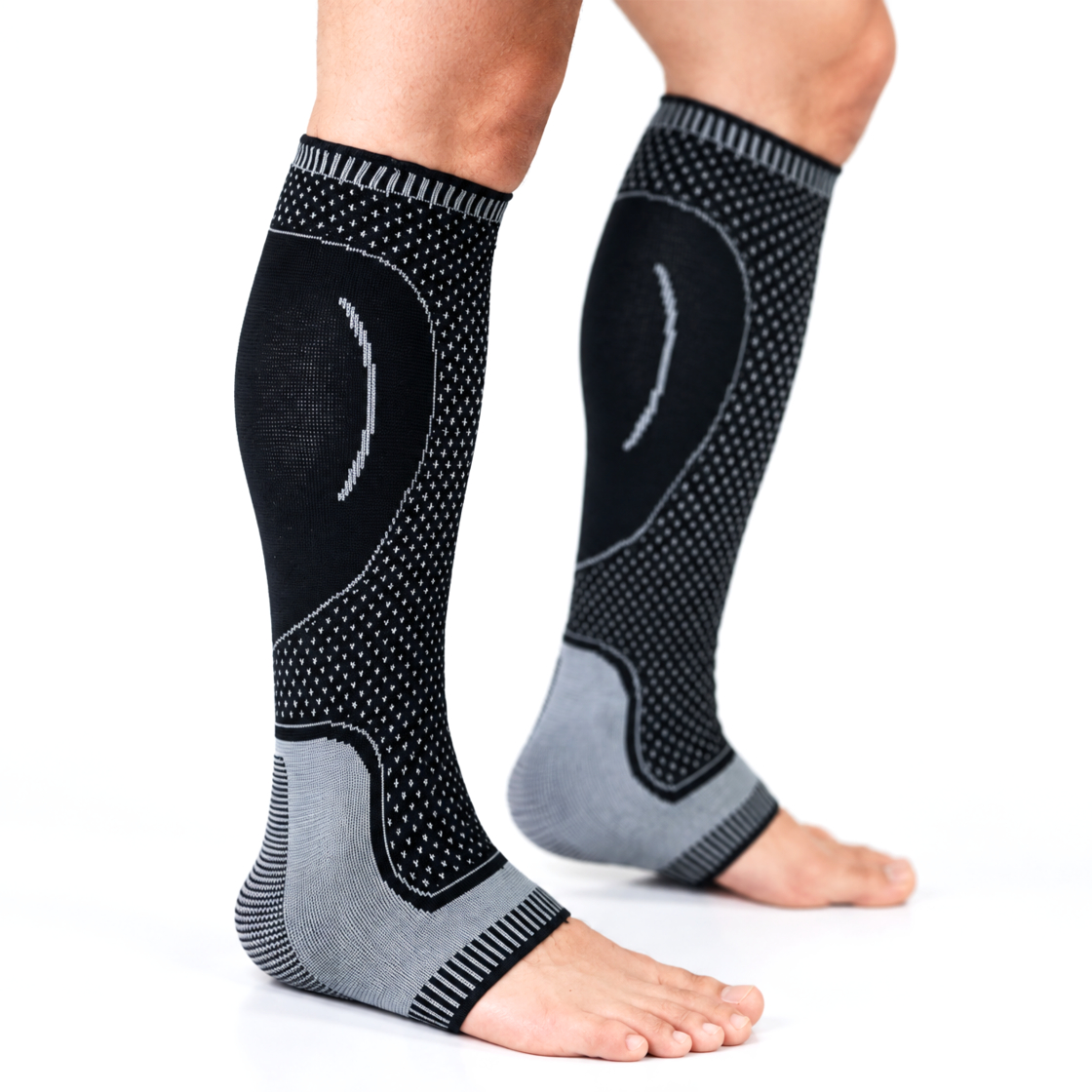
Calf Support Leg Compression Sleeves
- What they are
FootReviver medium‑compression calf support leg sleeves for men and women, running from the mid‑foot and arch up to just below the knee, with an open‑toe design and a sports‑sock‑thickness knit that fits into most everyday shoes and trainers. - Sizes and fit
Available in multiple adult sizes (such as Medium, Large and Extra Large) to match different calf and foot measurements. The fit should feel snug and even from foot to upper calf – firm, but not painful, and without numbness or colour change. - Who they’re designed for
Adults who often have:- Tired, heavy or aching calves, shins and feet.
- Mild to moderate vein‑related heaviness or swelling.
- Shin splints‑type pain along the front or inner shin.
- Achilles or back‑of‑heel discomfort.
- Tired legs from long work shifts on their feet.
- Calf and foot fatigue during and after running or sport.
- Swelling and tightness around the ankles after long journeys.
Medium compression should only be used if a clinician is happy with this level when there are conditions such as diabetes, neuropathy or previous circulation issues.
- How they help your circulation
Graduated compression is firmer around the foot and ankle and gentler towards the upper calf. This supports the veins and small drainage vessels exactly where pressure and pooling are usually worst, helping blood and fluid move back up the leg and making ankle swelling and end‑of‑day heaviness easier to manage for many people. - How they support muscles and tendons
Mapped ribbed bands over the shin muscles, calf and Achilles gently hold these structures, reducing shake and repeated strain at key points such as the shin bone lining (often involved in shin splints) and the Achilles tendon. This can make walking, standing and running feel more controlled and less tiring. - How they support your heel, arch and ankle
Reinforced zones under the heel, around the ankle and along the arch give a firmer base inside your footwear. This helps spread impact across the plantar fascia and forefoot, steadies the ankle joint and can ease heel, arch and mid‑foot soreness on hard floors, hills and longer walks or runs. - Made to stay comfortable all day
The breathable, moisture‑wicking knit and flat‑finished seams help keep your lower legs drier and reduce rubbing. Silicone cuffs at the top and near the open toe help the sleeves stay smooth and in place without cutting in, so the compression pattern and support stay where they should through work shifts, exercise and travel. - Who should be careful or seek advice first
These FootReviver sleeves are not a substitute for stronger, prescribed compression in serious vein or lymph problems, and they are not for use during pregnancy. If you have a history of deep vein thrombosis, severe varicose veins with skin changes, leg ulcers, significant heart or kidney disease, complex oedema, serious circulation problems or moderate to severe neuropathy, speak to your GP, physiotherapist, podiatrist or other clinician before using any compression sleeve. - How to get started
Measure your calf and choose the FootReviver size that matches. Put the sleeves on earlier in the day, build up wear time gradually, and check your skin and how your legs feel. If you are generally healthy and your symptoms match those described, trying these sleeves for a short period is usually reasonable. If you are unsure or have more complex medical conditions, it is sensible to talk it through with a clinician before you start.
£9.99 - What they are
-
FootReviver™ Foot Ankle Orthosis – Support Brace for Ankle Sprains, Strains, Achilles Tendonitis & Foot Drop
- Semi‑rigid ankle and rearfoot brace from FootReviver, offering much more control than a thin elastic support but without the weight and bulk of a rigid walking boot – designed for the stage when you can walk again, but the ankle still feels weak, wobbly or at risk of giving way.
- Multi‑splint frame with paired side bars and a rear splint up the Achilles region helps stop the ankle rolling in or out and limits sharp twisting, while still allowing enough up‑and‑down movement for walking, standing and everyday tasks.
- Detachable, shapeable front panel and three independently adjustable calf straps let you spread pressure comfortably across the front and sides of the lower leg, set how firmly the brace holds you, and adapt to mild changes in swelling through the day.
- Padded, supportive fabric and targeted cushioning around the ankle bones and back of the heel reduce rubbing and pressure in the areas physiotherapists and podiatrists most often see problems with other supports, so you can realistically wear this brace for longer spells.
- Wrap‑around design under the rearfoot and arch helps keep the heel closer to a straight‑ahead position when you load the foot, supporting stretched outer ankle ligaments after sprains and helping arthritic ankle and rearfoot joints avoid painful end positions.
- Suitable for adults in the rehabilitation stage after ankle sprains, fractures or surgery (when a clinician has cleared you to move more), and for longer‑term ankle instability, arthritis around the ankle/rearfoot, Achilles tendon problems and some milder cases of drop foot where extra stability, not active toe‑lift, is needed.
- Universal left/right fit and three sizes based on UK shoe size, with secure hook‑and‑loop straps, make it easier to achieve a firm but comfortable fit; returns and straightforward size exchanges within 30 days mean you can try it at home and change size if the first choice isn’t right.
- Designed by FootReviver using lower‑limb biomechanical experience and feedback from physiotherapists, podiatrists and orthotists about how ankles most often roll and where supports tend to rub, so the splint layout and padding zones are chosen to reflect real‑world use in clinic.
£14.99£19.99
